How to Cool a Hot Bedroom Without AC
As an Amazon Associate I earn from qualifying purchases.
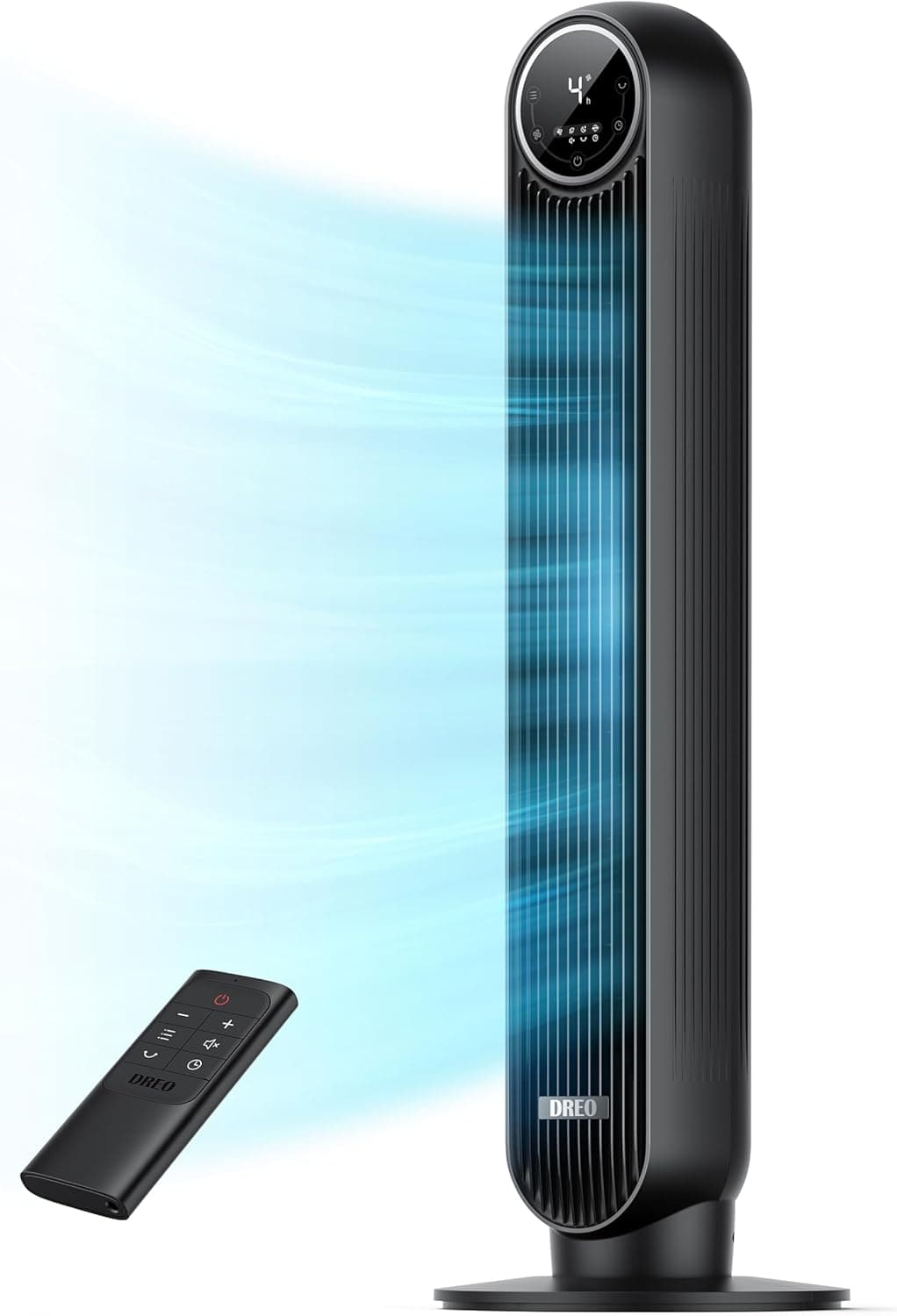
Not every bedroom has air conditioning, and even those that do can stay stubbornly warm on summer nights. The good news is that you can drop the temperature and sleep comfortably using airflow, cooler bedding, and a few strategic habits. Here are five approaches that genuinely work.
Master Airflow and Cross-Ventilation
Moving air is your most powerful free tool for a hot room. When you get air flowing across the space, it carries heat out and speeds evaporation from your skin, which makes you feel cooler even if the temperature barely changes. The trick is creating a path for warm air to leave and cool air to enter.
Position a fan to push hot air out of a window and let a second opening pull cooler evening air in, creating a cross breeze. A fan aimed across the bed adds a direct cooling effect while you sleep. Getting airflow right often does more than any other single change in a room without AC.
Block Daytime Heat Before It Builds
Much of a bedroom's nighttime heat is soaked up during the day through sunny windows. Sunlight streaming in heats walls, floors, and furniture, which then release that warmth for hours after dark. Stopping heat from entering in the first place is far easier than removing it later.
Keep blinds or blackout curtains closed during the hottest part of the day, and open windows only once the outside air cools below the inside temperature. This simple timing habit can keep a room several degrees cooler by bedtime. Pair it with cooler bedding so the room you enter already feels calm.
Swap to a Lighter, Cooler Bed Setup
When you cannot cool the air much, cool the bed instead. Heavy blankets and dense bedding trap your body heat and turn a warm room into an uncomfortable one, so lightening your layers has an immediate effect. The less insulation between you and the air, the better your body can shed heat.
Trade a thick duvet for a lightweight summer blanket that breathes and lets warmth escape. Combined with breathable sheets, this keeps the microclimate around your body cooler than the room itself. It is a low-cost fix that pays off every single night through the warm months.
Use Cooling Contact for Instant Relief
Sometimes you need targeted cooling exactly where your body feels hottest. Cooling gel pads absorb heat on contact and give a quick, refreshing sensation without any power or setup. Placing one under your neck, back, or feet can take the edge off on the hottest nights.
These pads are portable and reusable, making them handy for travel or dorms where bigger solutions are not practical. They will not cool an entire room, but they buy real comfort at the pressure points that matter most. Think of them as spot relief that complements your airflow and bedding changes.
Add a Portable Unit for the Toughest Nights
If your bedroom stays hot despite airflow and bedding tweaks, a portable AC can rescue the worst nights without a whole-house system. Cooling a single room is efficient and affordable, and modern portable units are easy to set up in a window. For attic bedrooms or humid climates, this may be the change that finally makes sleep possible.
Run it for a while before bed to pre-cool the room, then let a fan keep the air moving through the night. Combining a portable unit with everything above gives you a layered strategy that beats the heat even in a room that never had air conditioning to begin with.