How to Stop Night Sweats
As an Amazon Associate I earn from qualifying purchases.
Waking up drenched is miserable and disrupts the deep sleep your body needs. While some night sweats have medical causes worth checking, most people can reduce them with smarter bedding, better airflow, and a cooler routine. Here is how to attack the problem from every angle.
Start With Moisture, Not Just Temperature
Night sweats are as much about trapped moisture as they are about heat. When sweat cannot evaporate, it sits on your skin and bedding, leaving you clammy and cold once the dampness cools. Breaking that cycle means giving moisture a clear path to escape rather than simply blasting the room with cold air.
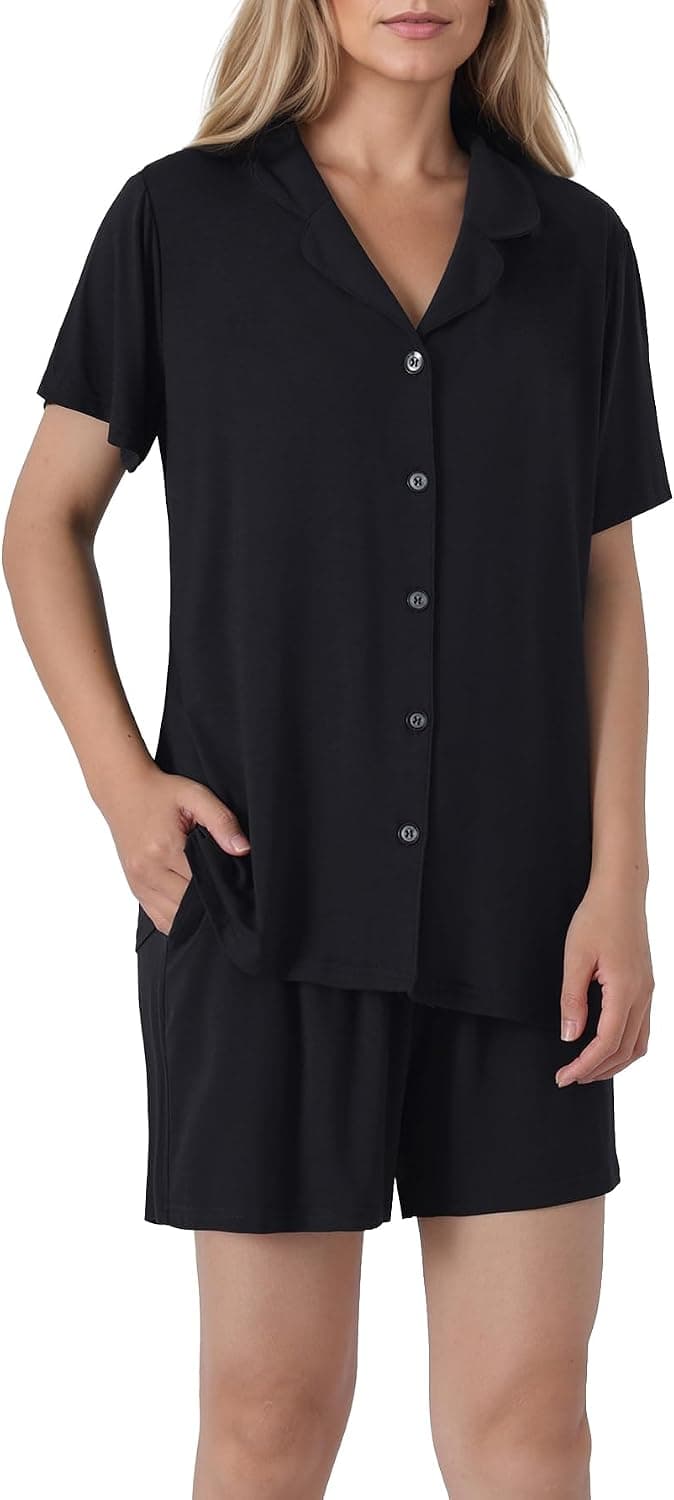
The fabrics closest to your body matter most here. Moisture-wicking pajamas pull sweat off your skin and spread it across the fabric so it can dry, which keeps you comfortable even if you do perspire. This single swap often turns a soaked shirt into a manageable night and is the easiest starting point.
Choose Sheets That Breathe and Dry Fast
If you sweat at night, your sheets are on the front line. Dense, synthetic bedding holds moisture and reheats it against your body, which can trigger repeated waking. Sheets that breathe let both heat and humidity pass through instead of building a warm, damp layer around you.
Percale cotton, linen, and eucalyptus blends move air well and release moisture quickly, so the surface feels dry again soon after a sweat. Their looser weave also promotes constant airflow. For anyone prone to night sweats, breathable sheets are one of the highest-impact changes you can make.
Lighten and Cool Your Top Layer
A heavy comforter is a common night-sweat trigger. Thick fills insulate so well that your body heat has nowhere to go, and once you start sweating the extra warmth makes it worse. Reducing the weight and warmth of your top layer removes a major source of overnight heat.
Swap a bulky duvet for a lighter summer blanket or a comforter designed to release heat. Many people find a thin, breathable cover is all they need for most of the year. If you like the comfort of weight without the heat, a cooling weighted blanket built with breathable materials offers pressure without smothering you.
Cool the Mattress Surface Directly
Heat that pools in your mattress reflects back into your body all night and feeds the sweat cycle. Foam surfaces are especially prone to this because they trap warmth at your contact points. Cooling the sleep surface itself tackles the heat before it can build.
A cooling mattress pad adds a breathable, moisture-managing layer on top of your bed, wicking away sweat and improving airflow underneath you. For persistent, heavy sweating, an active bed cooling system circulates temperature-controlled water or air through a pad, giving you precise control over how cool the surface stays.
Move the Air and Lower the Room
Even the best bedding cannot keep up in a hot, still room. Moving air speeds evaporation, so sweat leaves your skin faster and you feel dry sooner. A fan positioned to sweep across the bed both cools you and prevents the stale, humid pocket that forms around a sweaty sleeper.
Aim to keep the room on the cool side before you get in, since a lower starting temperature gives your body room to shed heat. Combine steady airflow, a cooler room, and dry, breathable layers, and most night sweats become far less frequent and much easier to sleep through.