Why Do I Sleep So Hot at Night?
As an Amazon Associate I earn from qualifying purchases.
If you kick off the covers every night and wake up sweaty, you are not imagining it. Sleeping hot comes from a mix of biology, bedroom conditions, and the materials touching your skin. This guide walks through the most common causes and the changes that actually cool things down.
Your Body Runs a Nightly Temperature Cycle
Your core temperature naturally dips in the evening to help you fall asleep, then rises again toward morning. This drop is a signal that tells your brain it is time to rest, so anything that traps heat and blocks the dip can leave you tossing and turning. When your body cannot shed warmth, sleep gets lighter and more broken.
For many people the issue is not that they produce unusual amounts of heat, but that their sleep setup will not let that heat escape. Hormones, age, metabolism, and even a late workout can nudge your baseline up. Understanding that heat needs somewhere to go is the first step toward fixing the problem at its source rather than just adding another fan.
Your Mattress May Be Trapping Heat
Memory foam is famous for pressure relief, but dense foam also hugs your body and holds warmth against your skin. If you sink into your mattress and feel a warm pocket forming under your back and hips, the surface is likely working against you. Older foam beds without cooling layers are some of the worst offenders for overnight heat buildup.
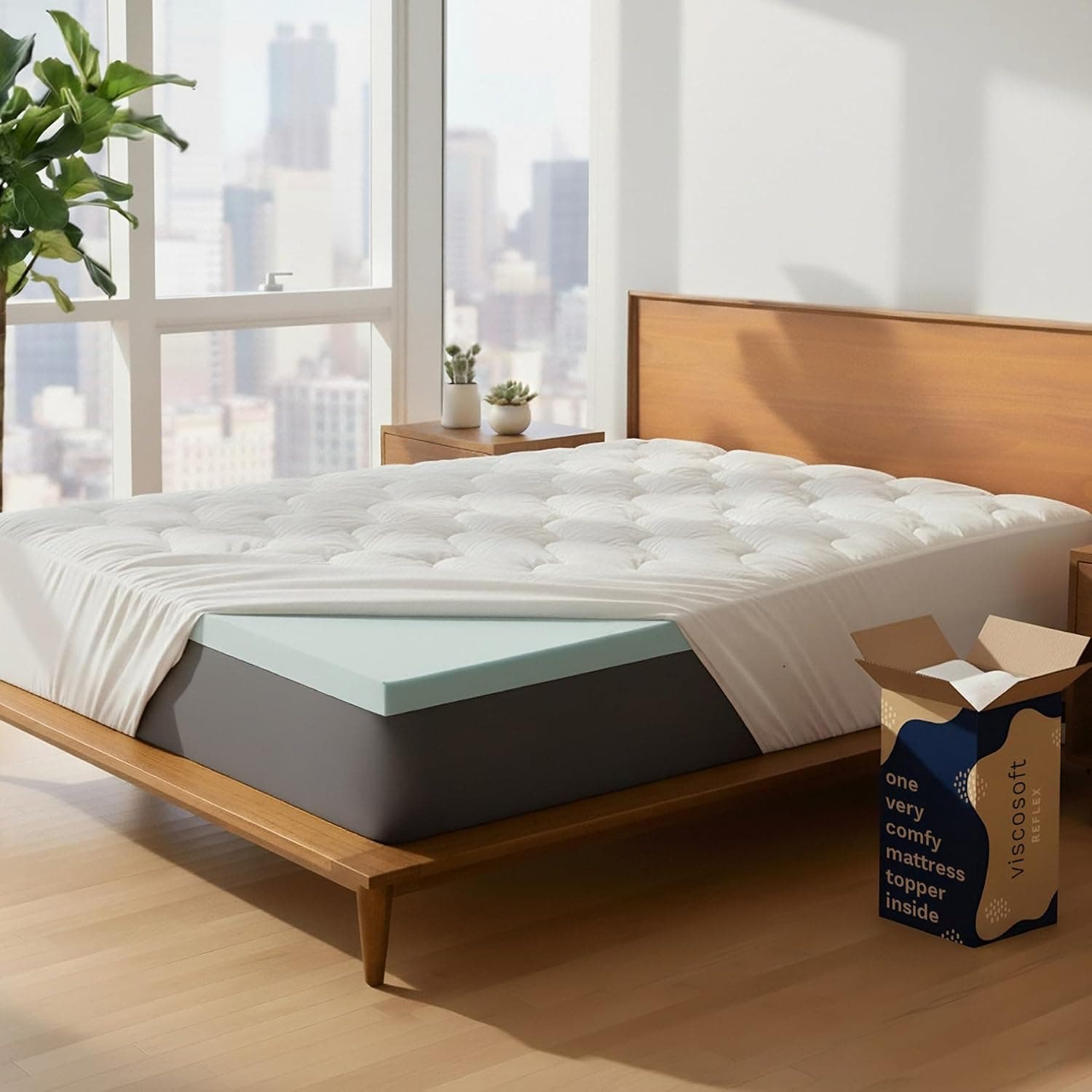
You do not always have to replace the whole bed to fix this. A breathable topper or a pad with gel or airflow channels can put a cooler layer between you and the foam. These add-ons pull heat away from contact points and restore some of the airflow that a plush mattress smothers, which is often enough to solve the problem.
Sheets and Comforters Make a Big Difference
The fabric wrapped around you all night controls how well sweat evaporates and how much heat stays trapped. Tightly woven polyester and thick flannel hold warmth and moisture, which is exactly what a hot sleeper does not want. Swapping to a breathable, natural weave can change how a whole night feels without any other adjustment.
Look for sheets in percale cotton, linen, or eucalyptus, which move air and wick moisture instead of clinging to damp skin. Pair them with a lighter comforter so you are not fighting a heavy layer at 3 a.m. Small material upgrades like these are the cheapest and fastest wins for anyone who overheats.
Your Pillow Might Be a Hidden Hot Spot
Your head and neck give off a lot of heat, and a solid foam pillow acts like an insulator right where you feel it most. Flipping to the cool side over and over is a classic sign that your pillow cannot keep up. Because your face rests against it directly, pillow temperature has an outsized effect on comfort.
Pillows built with shredded foam, breathable latex, or gel-infused surfaces let warmth escape instead of pooling under your head. Some designs add ventilated covers that keep the surface cool for longer stretches. Upgrading here is inexpensive compared to a new mattress, yet it often delivers the most noticeable relief.
Room Conditions and Sleepwear Tie It Together
Even a perfect bed struggles in a stuffy room. Bedrooms trap warm air near the ceiling and hold heat in walls long after sunset, so moving air and lowering the ambient temperature both help your body finish its natural cooling dip. A fan aimed across the bed can make a warm room feel several degrees cooler.
Finally, do not overlook what you wear. Heavy cotton or synthetic pajamas hold sweat against your skin and undo the work your bedding does. Light, moisture-wicking sleepwear keeps you dry so evaporation can carry heat away. Combine cooler air, the right layers, and breathable clothing, and most hot sleepers finally get a calm night.