Best Standing Fan Placement in a Bedroom
Published Updated How we research
The best standing fan placement in a bedroom is off to the side of the bed, angled so the breeze crosses your body at mattress height rather than blowing straight down at your face. If you have a window that opens, add a second fan facing outward on the opposite side of the room to push hot air out and pull cooler night air in. That combination does more for sleeping temperature than any single fan position, and it costs nothing to try tonight.
Why Fan Placement Matters More Than Fan Power
A fan does not lower the temperature of a room the way an air conditioner does. It cools you in two ways: by moving air across your skin so sweat evaporates and carries heat away, and by circulating air so hot pockets cannot form and sit over the bed. Once you understand that, positioning becomes intuitive. You are not trying to fill the room with wind, you are trying to keep a steady, gentle current moving over your body and give the day's heat somewhere to go.
This is also why a cheap fan in the right spot beats an expensive one in the wrong spot. Buying more airflow does not help if that airflow is aimed at a wall, blocked by the bed frame, or pointed directly at your face all night. Placement is free. Get it right first, then decide whether you actually need a bigger fan.
The Best Standing Fan Position, Step by Step
Start by placing the standing fan beside the bed rather than at the foot of it, roughly level with your torso, and raise the head so it sits at or just above mattress height. Angle it so the air sweeps across the length of your body instead of hitting one spot. If the fan oscillates, set the sweep so the bed sits inside the arc rather than at the very edge of it, which gives you a rising and falling breeze rather than a constant blast.
Avoid aiming a fan straight at your head all night. A direct stream dries out eyes, sinuses and throat, and a lot of people who conclude that fans do not help for them are really reacting to that. A breeze that passes over you feels dramatically cooler than still, humid air, and it does so without the morning congestion.
If the room is small and the fan is powerful, point it at a wall near the bed instead of at the bed itself. The air bounces and diffuses, and you get gentle circulation across the whole sleeping area rather than a narrow jet. This is the single easiest fix for anyone who finds a fan either too strong or too noisy at close range.
The Window Cross-Breeze: The Position That Actually Cools the Room
Window fans unlock the one technique that changes the room temperature rather than just how you feel. When the outside air is cooler than the inside, which is usually true after dark, place a fan in a window facing outward to push hot indoor air out. If you have a second fan or a second window, set it on the opposite side of the room facing inward to draw cooler outside air in.
That pairing flushes the day's accumulated heat out of the bedroom and replaces it with fresh air. Done for an hour or two in the evening, it can drop a bedroom several degrees for the cost of running a fan, and it means the standing fan beside your bed is now moving cool air instead of recycling warm air.
Cross ventilation works even without window fans if your home has windows on opposite or adjacent walls. Open windows on two different sides, leave interior doors open to extend the path, and use the standing fan to reinforce the direction the air already wants to travel. The goal is simple: give hot air a way out and cooler air a way in, so the bedroom stops behaving like a sealed box that holds heat.
Standing Fan vs Tower Fan vs Ceiling Fan
A standing or pedestal fan is the most flexible option because you can change its height and angle, which is exactly what good placement depends on. It is the right default for most bedrooms. A tower fan takes up less floor space and suits narrow gaps beside a nightstand, but its fixed height means it works best in rooms where the bed is low or where you mainly want circulation rather than a targeted breeze.
A ceiling fan does a different job. It cannot be repositioned, so instead of placement you control direction. In summer the blades should spin counterclockwise seen from below, which pushes air down and creates the draft you want. Many fans reverse for winter and get left that way, so if your ceiling fan seems useless in August, check the small switch on the housing before replacing it.
The strongest setup combines them: a ceiling fan for whole-room circulation, a standing fan beside the bed for the breeze on your skin, and a window fan exhausting hot air. Each covers a weakness of the others.
The Ice Bowl Trick, and When It Is Worth Doing
Placing a shallow tray of ice or a frozen water bottle directly in front of a fan gives you genuinely chilled air for a while, because the airflow picks up the cold as it passes over the surface. It works best in dry conditions and in a small space, and it is a reasonable stopgap on the hottest nights of the year.
Be realistic about it, though. The effect lasts only as long as the ice does, and in an already humid room adding melting water can make the air feel heavier rather than cooler. Treat it as a short-term boost for falling asleep, not as your cooling strategy.
Placement Mistakes That Waste Airflow
The most common mistake is putting the fan in a corner or behind furniture, where a wall or a wardrobe blocks most of the output. A fan needs clear space behind it as well as in front, because it has to draw air in before it can push air out. Leave at least a foot of clearance at the back.
The second mistake is running a window fan facing inward during the afternoon. If the outside air is hotter than the inside, you are actively importing heat. Reverse the logic: seal and shade the room during the day, then ventilate hard once the outdoor temperature drops below the indoor temperature in the evening.
The third is leaving a fan running at full speed all night. Rooms cool through the early hours, and a setting that felt right at bedtime is often too strong at 3am. A fan with a timer or a low overnight setting solves this, and it also cuts the noise that wakes light sleepers.
Where to Put a Fan So the Noise Does Not Keep You Awake
Noise scales sharply with distance and speed. Moving a fan from one metre away to three metres away and raising the speed one notch usually gives you the same felt breeze at a noticeably lower perceived volume, because the sound spreads out while the airflow still reaches you. Bouncing air off a wall, as described above, does the same thing.
Hard floors also reflect motor noise. A fan standing on a rug or a mat runs measurably quieter than the same fan on tile or laminate, and it vibrates less, which removes the low rattle that tends to be the part people actually notice at night.
Common Questions About Bedroom Fan Placement
Should a fan point at the bed or away from it? Across it. Angle the fan so the breeze passes over your body rather than landing on one spot, which maximises evaporative cooling without drying you out.
Where should a standing fan go in a small bedroom? Beside the bed at torso height with the head raised to mattress level, or aimed at a nearby wall to diffuse the air if the room is tight. Keep clearance behind the fan.
Is it better to have the fan blowing in or out of the window? Out, if the aim is to cool the room and indoor air is warmer than outdoor air. Use a second fan facing inward on the opposite side to complete the cross-breeze.
Does a fan actually lower room temperature? No. It cools your skin through evaporation and moves heat around. Only a window fan exhausting hot air outdoors changes the room temperature itself.
Which way should a ceiling fan spin in summer? Counterclockwise viewed from below, so it pushes air downward and creates a draft you can feel.
Putting It Together
Ventilate hard in the cooler evening and overnight hours with a window fan facing out, close windows and blinds during the hot part of the day to keep the heat from getting back in, and keep a standing fan beside the bed at mattress height to give you a steady breeze while you sleep. Placement costs nothing, and on most nights it does more than an upgrade would.
If you have optimised placement and the room is still too warm, the limiting factor is usually the bed rather than the air. Breathable sheets and a cooling mattress topper change the surface you are lying on, which is where a lot of trapped heat actually comes from.
Ceiling Fan Placement in a Bedroom
For most bedrooms the best spot for a ceiling fan is centered over the bed rather than in the geometric center of the room. You spend the hottest hours of the night lying in one place, so the downdraft should land there, and a fan centered over the mattress also spreads air evenly to both sides of a shared bed. If the room has a separate sitting or desk area, the bed still takes priority, since that is where cooling affects sleep.
Height and clearance matter as much as position. Widely followed guidance puts the blades at least 7 feet above the floor, with 8 to 9 feet giving the best balance of airflow and safety, and keeps the blades well clear of walls and sloped ceilings so air can circulate instead of buffeting. On low ceilings a flush or hugger mount keeps clearance legal, while on tall or vaulted ceilings a downrod brings the blades down to where the air actually reaches you.
Size the fan to the room rather than buying the biggest one available. An oversized fan on a high setting in a small bedroom creates a strong, noisy draft, while an undersized fan in a large room spins fast and still leaves the corners stuffy. A properly sized fan running on low or medium overnight is quieter and usually more comfortable than a small one working flat out.
Placing Fans to Move Air Through the Whole House
Moving air through a house works on the same principle as a bedroom cross-breeze, just over a longer path. Pick an exhaust point, usually an upstairs window on the warmest side of the house, and set a fan there blowing out. Then open a window low down on the shaded or cooler side so fresh air has a way in. Hot air naturally rises, so exhausting from the top floor and pulling in from the bottom works with physics rather than against it.
Interior doors decide whether that path actually works. Leave doors open along the route, and if a bedroom sits off the main flow, place a fan in its doorway pointing out of the room toward the exhaust window. It sounds backwards, but pushing warm air out of the room pulls cooler hallway air in behind it more effectively than blowing hallway air into the room.
Timing is the final piece. Run the whole-house setup in the evening and overnight once the outside air has dropped below the indoor temperature, then close windows and draw blinds in the morning to hold that cooler air in. On nights that stay hot and humid outside, skip whole-house ventilation and rely on the bedroom fan and ceiling fan to keep air moving over the bed instead.
Products from this article
The highest-scoring picks from the buying guides mentioned above. Scores are our editorial assessment, not customer ratings.
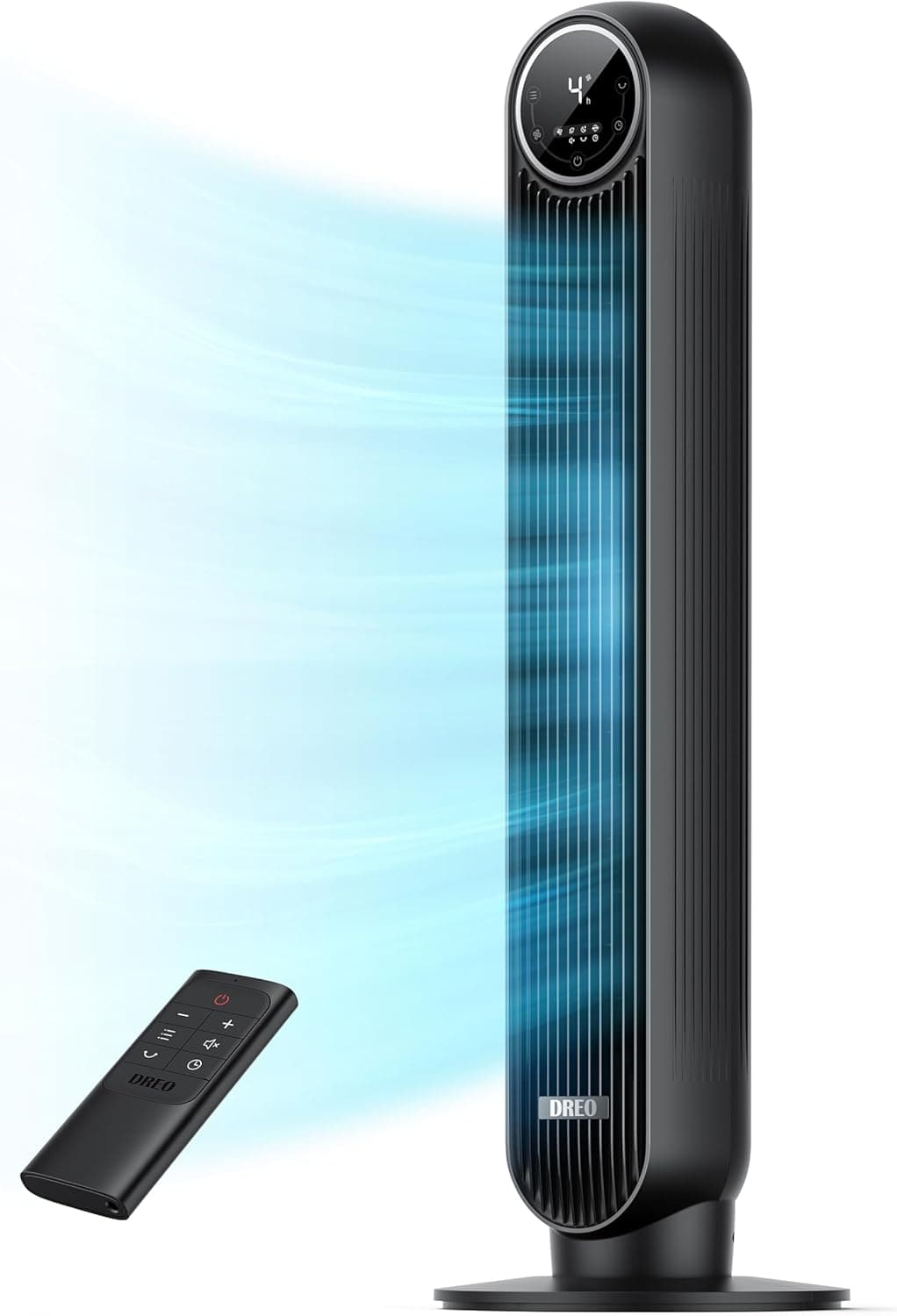
+ 20dB ultra quiet rating suits light sleepers
From our guide: Best Bedroom Cooling Fans
+ 120 oscillation covers wide bedrooms and shared beds
From our guide: Best Quiet Bedroom Fans
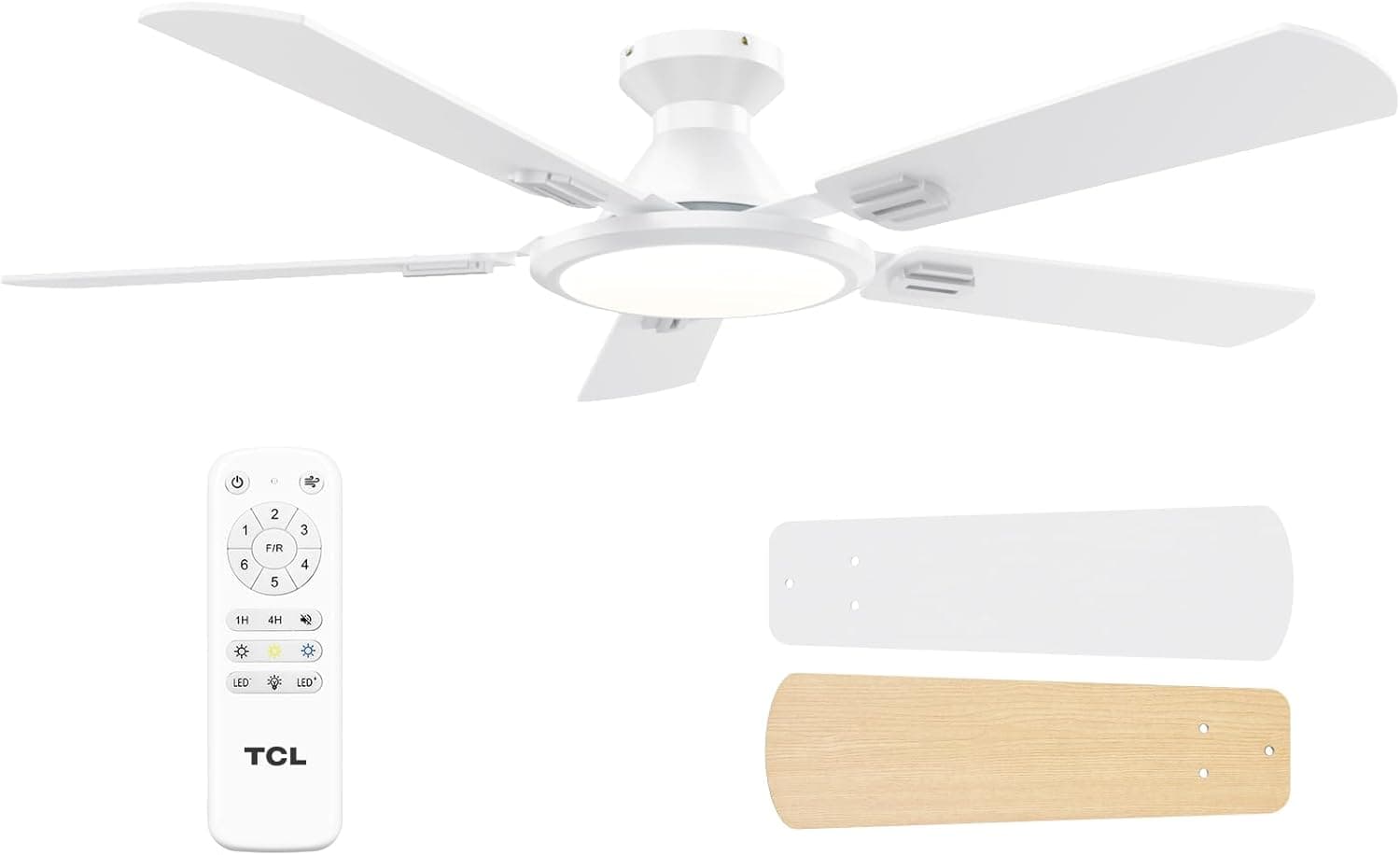
+ TCL is a large electronics brand with wide distribution
From our guide: Best Ceiling Fans for Bedroom
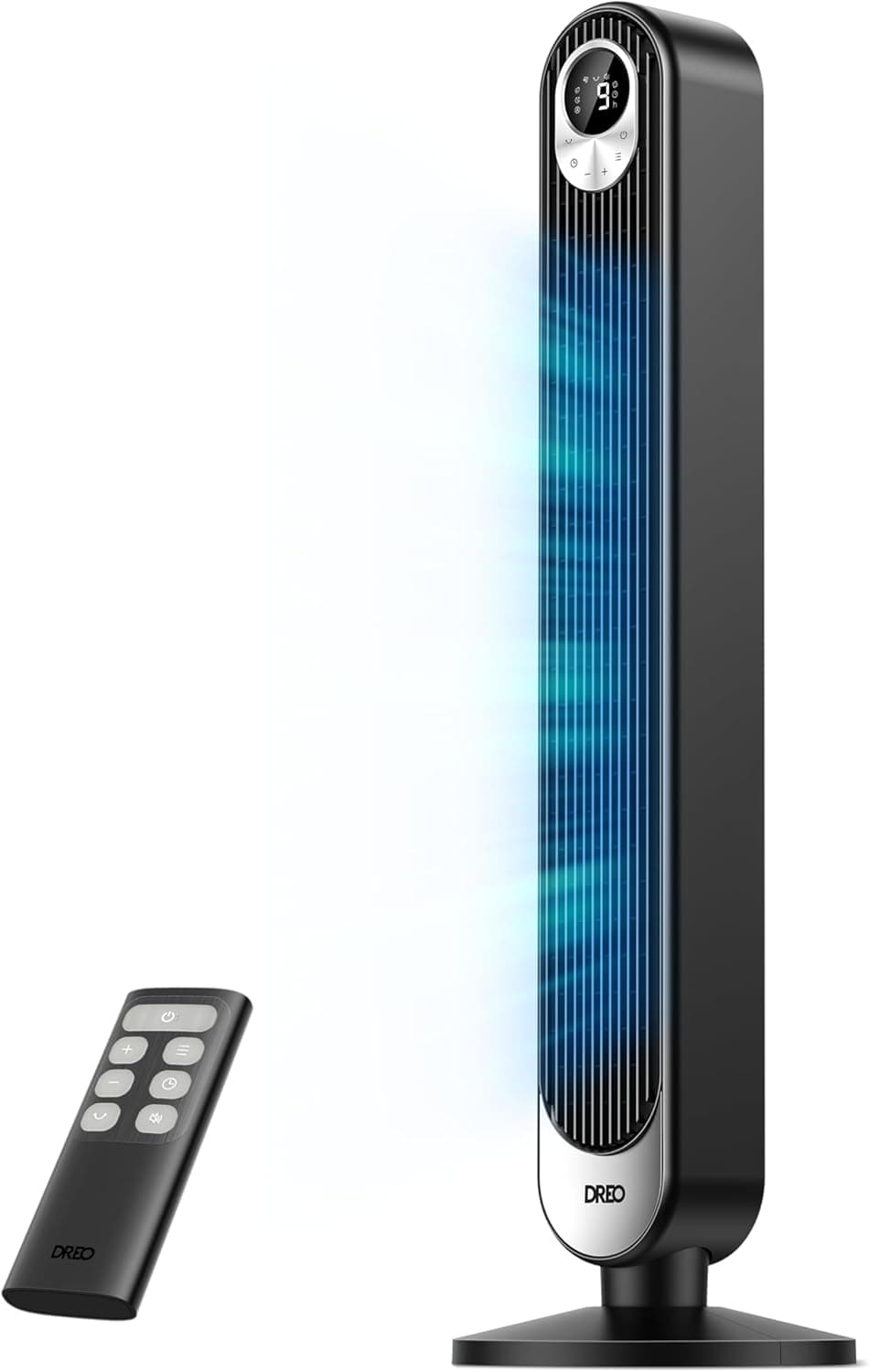
+ 20dB quiet setting keeps noise low enough for light sleepers
From our guide: Best Bedroom Cooling Fans

Quick answers
Should a standing fan face the bed or the window?
At night, when outside air is cooler, one fan facing out of a window pulls hot air out while a second fan beside the bed moves air across you. With only one fan, place it beside the bed at mattress height and angle it across your body.
How far should a fan be from the bed?
About one to three metres works for most bedrooms. Closer feels stronger but louder; moving the fan a little further back and raising the speed one notch often gives the same breeze with less noise.
Where is the best place to put a ceiling fan in a bedroom?
Center it over the bed rather than the middle of the room, since the bed is where you need the downdraft for the whole night. Keep the blades at least 7 feet above the floor and clear of walls and sloped ceilings, and use a downrod on high ceilings so the airflow actually reaches mattress level.
How do you place fans to move air through the whole house?
Put one fan in an upstairs window blowing out and open a lower window on the shaded side of the house so cooler air can come in. Leave interior doors open along the path, and use a doorway fan pointing out of any side room to pull fresh air into it. Run this setup only when it is cooler outside than inside.
Is it better to put a fan on the floor or up high?
It depends on the job. A fan up high or a ceiling fan is better for mixing the whole room, because warm air collects near the ceiling. For a breeze while you sleep, a fan at mattress height beside the bed works best, since a floor-level fan mostly moves air under and around the bed frame rather than across your body.
Where should I put a fan in a bedroom with no window?
Without a window you cannot exhaust heat, so focus on circulation and on the doorway. Place a fan in the open doorway blowing out of the bedroom to pull cooler air in from the rest of the home, and keep a second fan beside the bed angled across your body. Bouncing air off a nearby wall also helps in a small, closed room.
Popular right now
- Cooling Sheet Fabrics ComparedArticle
- Humidity and SleepArticle
- Breathable Mattress Materials for Cooler SleepArticle
- Keeping Kids Cool at NightArticle
- Best Portable AC for BedroomBuying guide
- Active Bed Cooling SystemsArticle
Based on the last 28 days of search and visitor data.