Cooling Sheet Fabrics Compared
Published How we research
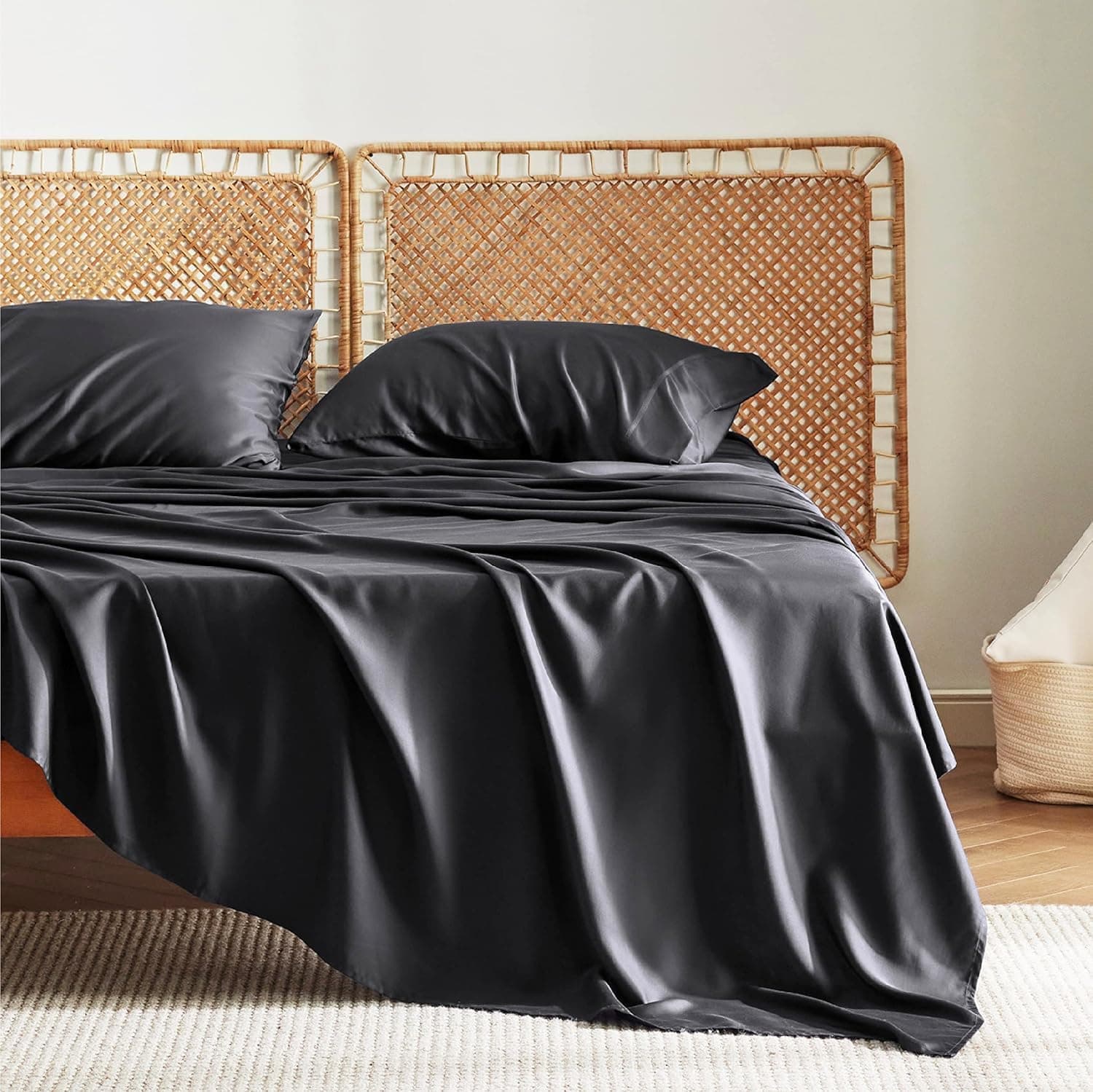
The fabric matters more than the marketing label: look for both breathability and moisture wicking. Cotton percale is crisp and breathes well, beating smoother but warmer sateen; linen is arguably best for hot and humid sleepers thanks to its hollow fibers and loose weave; bamboo viscose and Tencel lyocell are silky and excellent at wicking moisture. Avoid traditional silk and polyester, which trap heat and moisture despite sometimes being marketed as cooling. Start with cotton percale, upgrade to linen if you sleep very hot, and consider Tencel or bamboo lyocell if you sweat heavily. Not all sheets are created equal when it comes to keeping you cool, and the fabric matters far more than the marketing label on the packaging. Two properties determine how cool a sheet feels: breathability, which is how freely air passes through, and moisture wicking, which is how quickly the fabric pulls sweat away from your skin and lets it evaporate. A good cooling sheet does both. Understanding the main fabrics helps you cut through the noise and choose based on how you actually sleep.
Cotton: the weave matters more than thread count
Cotton is the default for good reason, but the weave changes everything. Percale is a crisp, plain weave with a matte finish that breathes exceptionally well and feels cool and hotel-like to the touch. Sateen, by contrast, has a smoother, silkier surface but a tighter weave that traps more heat, so hot sleepers should generally choose percale over sateen. Thread count is largely a distraction; anything between 200 and 400 in a percale weave breathes better than an ultra-high count sheet, which is often denser and warmer despite the premium price.
Linen: the best choice for hot and humid sleepers
Linen is arguably the best natural fiber for hot and humid sleepers. Made from flax, it has thick, hollow fibers and a loose weave that allow tremendous airflow, and it can absorb a large amount of moisture before it feels damp. Linen also has natural temperature-regulating properties, feeling cool in summer and reasonably warm in winter, which makes it a genuine year-round option. The tradeoffs are a higher price, a wrinkled relaxed look that not everyone loves, and a stiffer feel at first that softens beautifully after many washes.
Bamboo viscose: silky and moisture-wicking
Bamboo-derived viscose, sometimes sold as bamboo rayon or bamboo lyocell, has become popular for its silky drape and strong moisture wicking. It feels smooth and cool against the skin and manages sweat well, making it a good pick for people who want softness without the heat of sateen cotton. Look specifically for lyocell processing, which is more sustainable and produces a durable fiber. Be aware that quality varies widely, and very cheap bamboo sheets can pill or lose their cooling feel after repeated washing.
Tencel lyocell: engineered for moisture management
Tencel lyocell, made from eucalyptus or other wood pulp, deserves special mention. It is engineered specifically for moisture management, wicking sweat efficiently and drying fast, which keeps the sheet from feeling clammy. It has a smooth, almost cool-to-the-touch surface and resists odor better than many fabrics. For sweaty sleepers who wake up damp, Tencel often outperforms cotton on moisture, though it can feel slightly slick to people who prefer the dry crispness of percale.
Fabrics to approach with caution
Then there are the fabrics to approach with caution. Traditional silk feels luxurious and cool initially but does not wick moisture well, so it can turn clammy once you sweat. Polyester and microfiber sheets are cheap and wrinkle-resistant but trap heat and hold moisture against your skin, making them a poor choice for hot sleepers despite occasionally being marketed as cooling. Performance fabrics with special cooling finishes can work, but the effect often fades with washing, so treat bold cooling claims skeptically and prioritize the underlying fiber.
A simple recommendation
If you want a simple recommendation, start with cotton percale for an affordable, reliably cool sheet, upgrade to linen if you sleep very hot or live somewhere humid, and consider Tencel or quality bamboo lyocell if you sweat heavily and want silky moisture control. Whatever you choose, natural and semi-natural fibers in a breathable weave will nearly always outperform synthetics. Buy one set, sleep on it for a couple of weeks, and let your own body heat be the judge.
Frequently asked questions
Is percale or sateen cooler for sheets? Percale. It has a crisp, matte, plain weave that breathes exceptionally well, while sateen's smoother, tighter weave traps more heat.
Does higher thread count mean cooler sheets? No, thread count is largely a distraction. A percale weave between 200 and 400 thread count breathes better than an ultra-high count sheet, which is often denser and warmer.
Why is linen good for hot sleepers? Linen's thick, hollow fibers and loose weave allow tremendous airflow and can absorb a lot of moisture before feeling damp, and it regulates temperature well across seasons.
Are silk sheets good for hot sleepers? Not particularly. Silk feels cool and luxurious at first but does not wick moisture well, so it can turn clammy once you start sweating.
Products from this article
The highest-scoring picks from the buying guides mentioned above. Scores are our editorial assessment, not customer ratings.
+ 100% bamboo rayon for a consistently cool, silky feel
From our guide: Best Bamboo Cooling Sheets
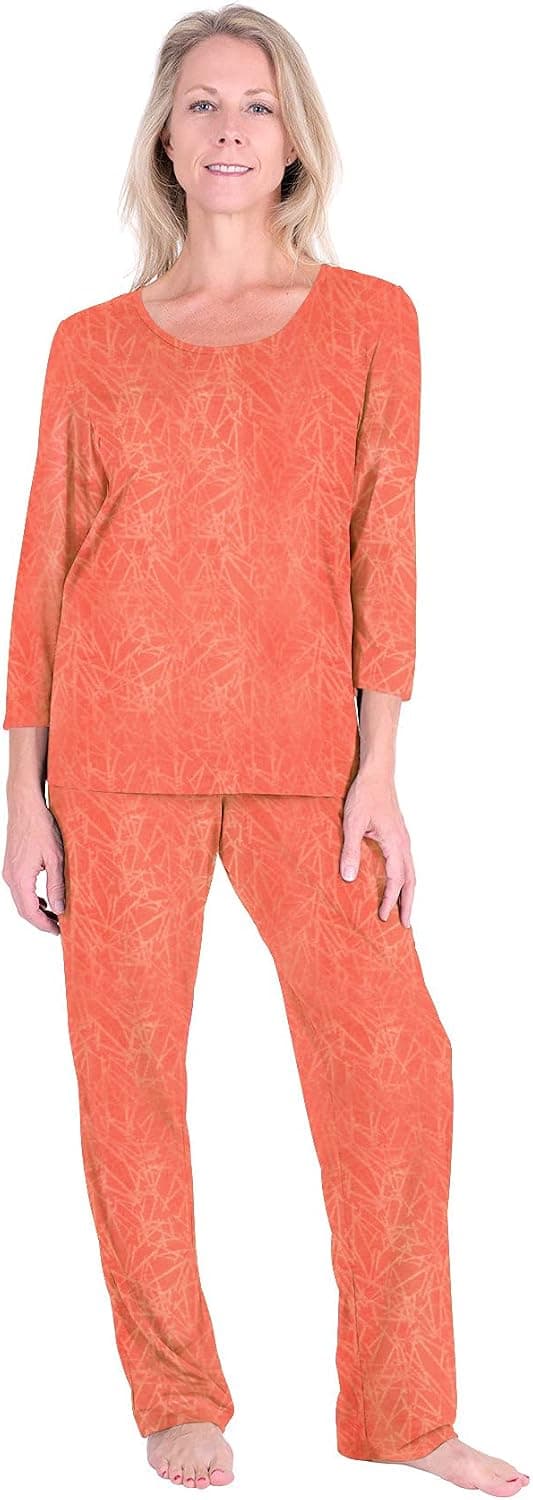
+ Brand focuses on sweat-free sleepwear, so the fabric is designed around wicking moisture
From our guide: Best Moisture-Wicking Pajamas
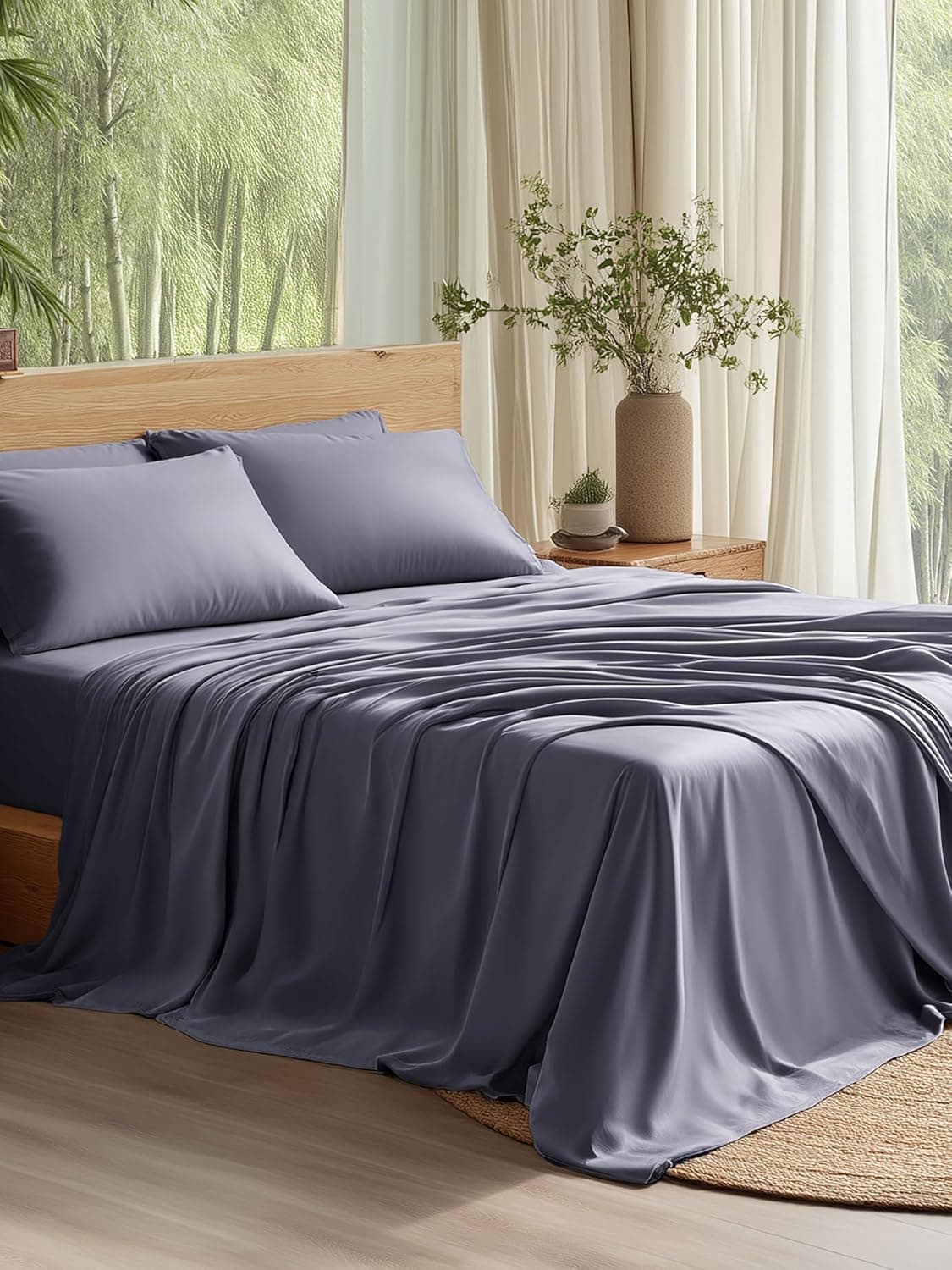
+ Bamboo rayon feels cool and smooth, a common pick for hot sleepers
From our guide: Best Bamboo Cooling Sheets
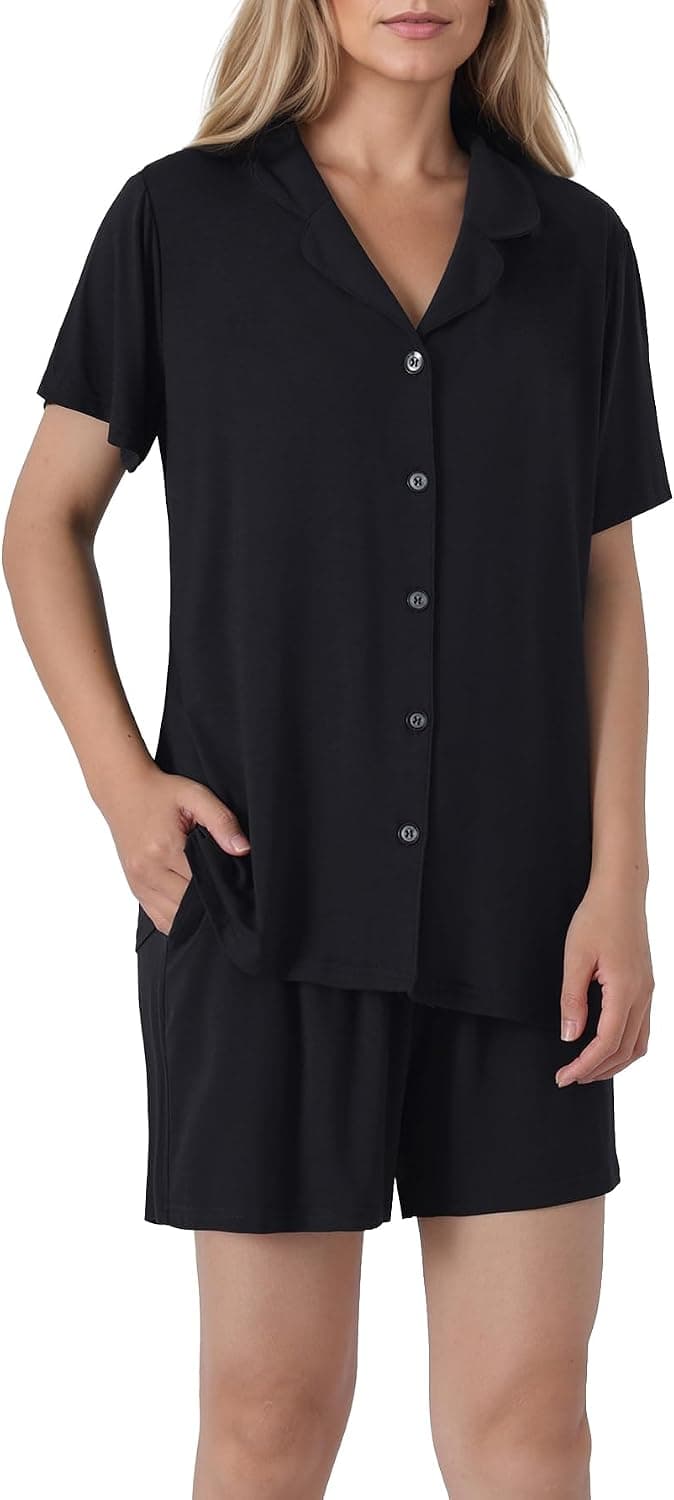
+ Bamboo viscose draws sweat away and feels cool on skin
From our guide: Best Moisture-Wicking Pajamas
Quick answers
What is the coolest material for bed sheets?
Linen and percale-weave cotton breathe best, and lyocell (Tencel) and bamboo viscose feel cool and wick moisture well. Sateen weaves and polyester microfiber tend to trap more heat.
Does thread count make sheets cooler?
Not really. Very high thread counts can make fabric denser and warmer. Weave and fibre matter far more than the number on the package.
Popular right now
- Best Standing Fan Placement in a BedroomArticle
- Humidity and SleepArticle
- Breathable Mattress Materials for Cooler SleepArticle
- Keeping Kids Cool at NightArticle
- Best Portable AC for BedroomBuying guide
- Active Bed Cooling SystemsArticle
Based on the last 28 days of search and visitor data.