How Often to Replace Cooling Bedding
Published How we research
Cooling bedding loses its edge as fibres wear, foams break in, and wicking finishes wash out. Cooling sheets typically last about two years, pillows one to two years, toppers a few years, and a breathable mattress protector should be swapped once it feels sticky or starts trapping heat. Rather than watching the calendar, replace the piece that has lost its cool, dry feel, which is usually the reason you have started waking up warmer. Cooling bedding is an investment in better sleep, but it does not stay effective forever. Fibers wear down, foams break in, and moisture-wicking finishes lose some of their power with washing and use. Knowing when to replace each piece helps you keep the cool, dry feel you paid for.
Sheets: the shortest useful life
Sheets usually have the shortest useful life among cooling items. Many people find quality sheets last a couple of years of regular use before they thin out, pill, or stop feeling crisp and breathable. When cooling sheets start to feel rough, cling, or trap heat, their fibers have likely worn past their prime.
Pillows lose support and coolness together
Pillows lose both support and coolness over time. As foam compresses and fibers flatten, airflow drops and the pillow holds more heat against your head and neck. A common guideline is to reassess pillows every year or two, and to replace them sooner if they stay warm, sag, or no longer bounce back.
Mattress toppers and gel layers
Mattress toppers, including cooling and gel-infused ones, generally last a few years depending on quality and use. Watch for permanent body impressions, a flattened surface, or a topper that simply no longer feels cool. Once the structure that created airflow collapses, the cooling benefit goes with it.
Do not overlook the mattress protector
Mattress protectors deserve attention because a worn or degraded one can undo your other efforts. If a breathable protector develops a sticky, plasticky feel or starts trapping heat and moisture, it is time to swap it. A protector that no longer breathes turns even good bedding warm.
How care affects lifespan
How you care for cooling bedding strongly affects its lifespan. Washing on gentle cycles, using mild detergent, avoiding fabric softeners that can coat wicking fibers, and drying on low heat all help materials last longer. Rotating between two sets of sheets also spreads out wear.
Judge by performance, not the calendar
Rather than watching the calendar alone, pay attention to how your bedding performs. If you have started waking up warmer or damper than you used to, aging bedding is often the reason. Refreshing the piece that has lost its cooling feel is usually enough to restore comfortable, cooler nights.
Frequently asked questions
How often should I replace cooling sheets? About every two years of regular use. When they start to feel rough, cling, or trap heat, the fibres have worn past their prime.
When should I replace a cooling pillow? Reassess every year or two, and replace sooner if it stays warm, sags, or no longer bounces back, since compressed foam and flattened fibres cut airflow.
Can a worn mattress protector make my bed hot? Yes. A protector that develops a sticky, plasticky feel stops breathing and traps heat and moisture, undoing the rest of your cooling setup.
How do I make cooling bedding last longer? Wash on gentle cycles with mild detergent, skip fabric softeners that coat wicking fibres, dry on low heat, and rotate between two sets of sheets.
Products from this article
The highest-scoring picks from the buying guides mentioned above. Scores are our editorial assessment, not customer ratings.
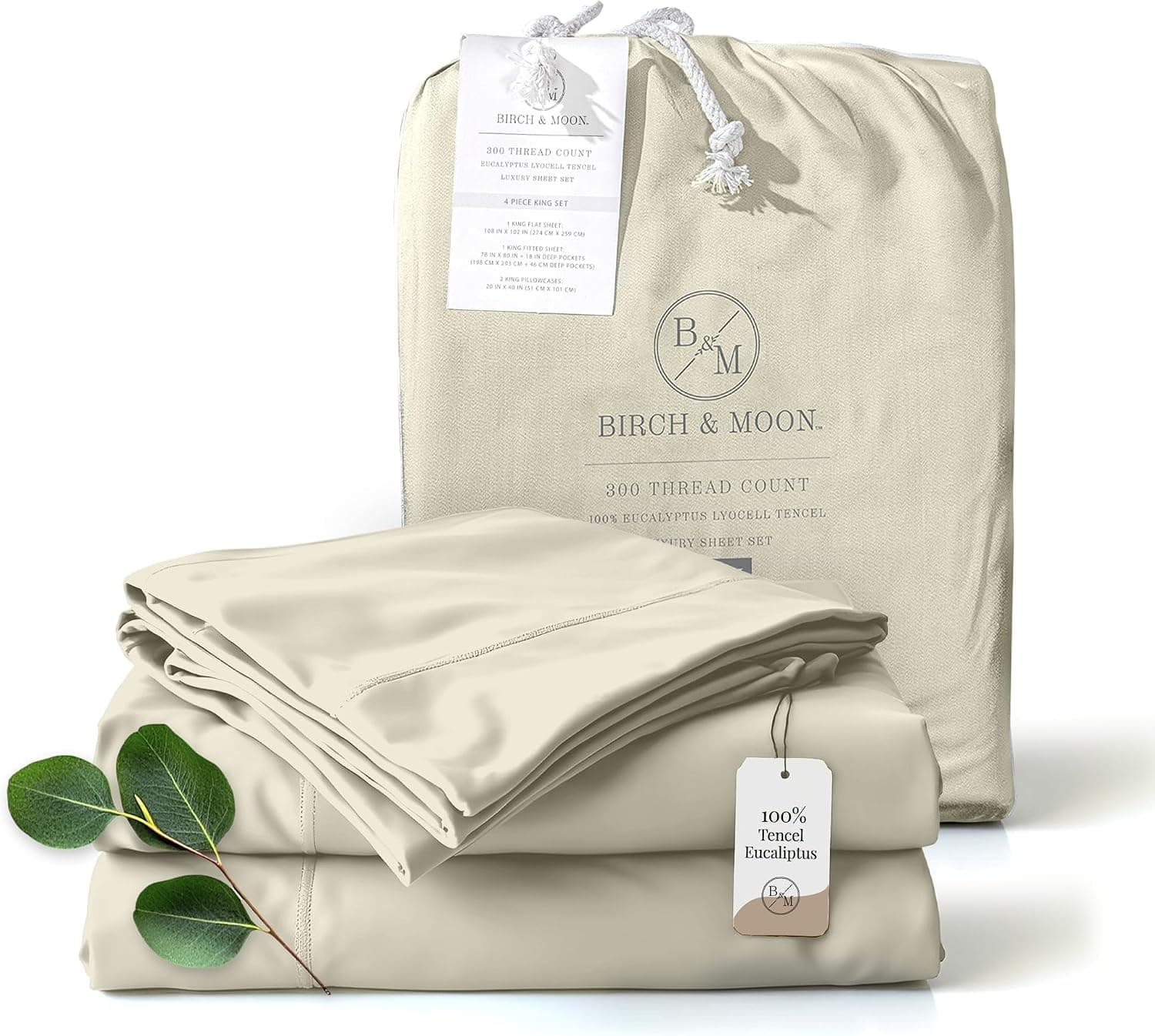
+ 100% Tencel lyocell is smooth and cool and handles moisture well
From our guide: Best Eucalyptus Lyocell Sheets
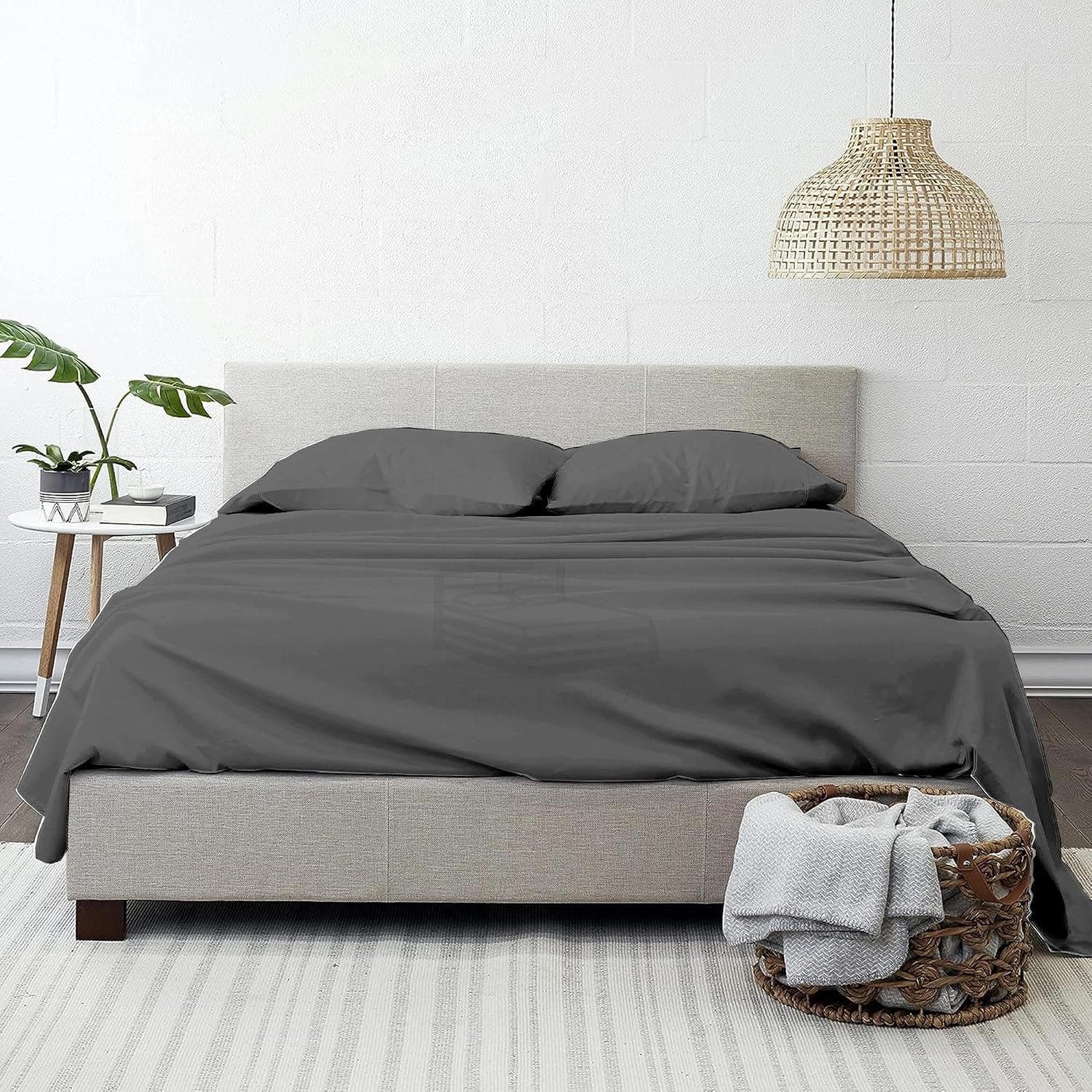
+ Moisture-wicking fabric is the brand's whole focus, aimed at night sweats
From our guide: Best Moisture-Wicking Sheets for Hot Sleepers (2026)
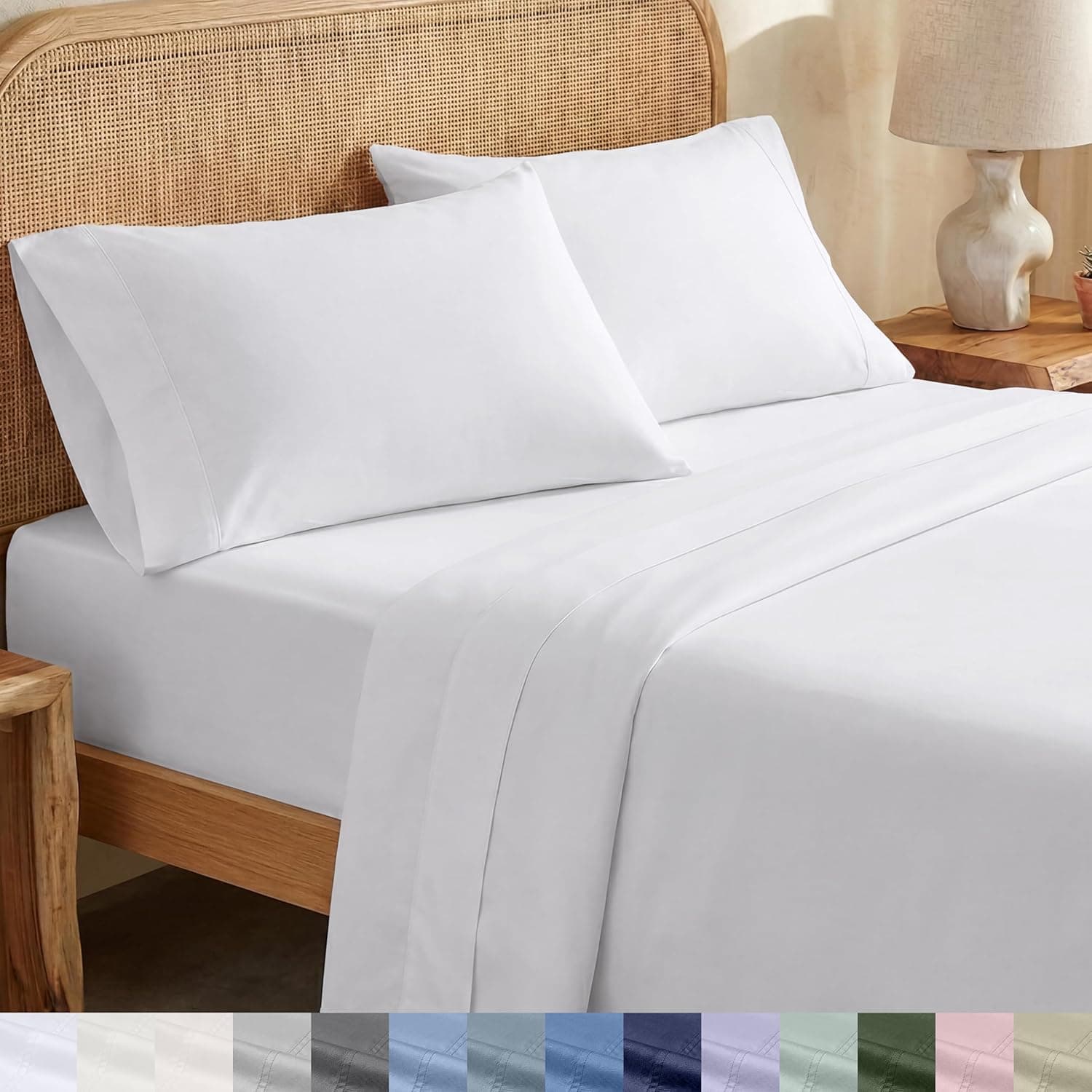
+ Crisp percale weave is one of the coolest cotton weaves for summer
From our guide: Best Cooling Sheets
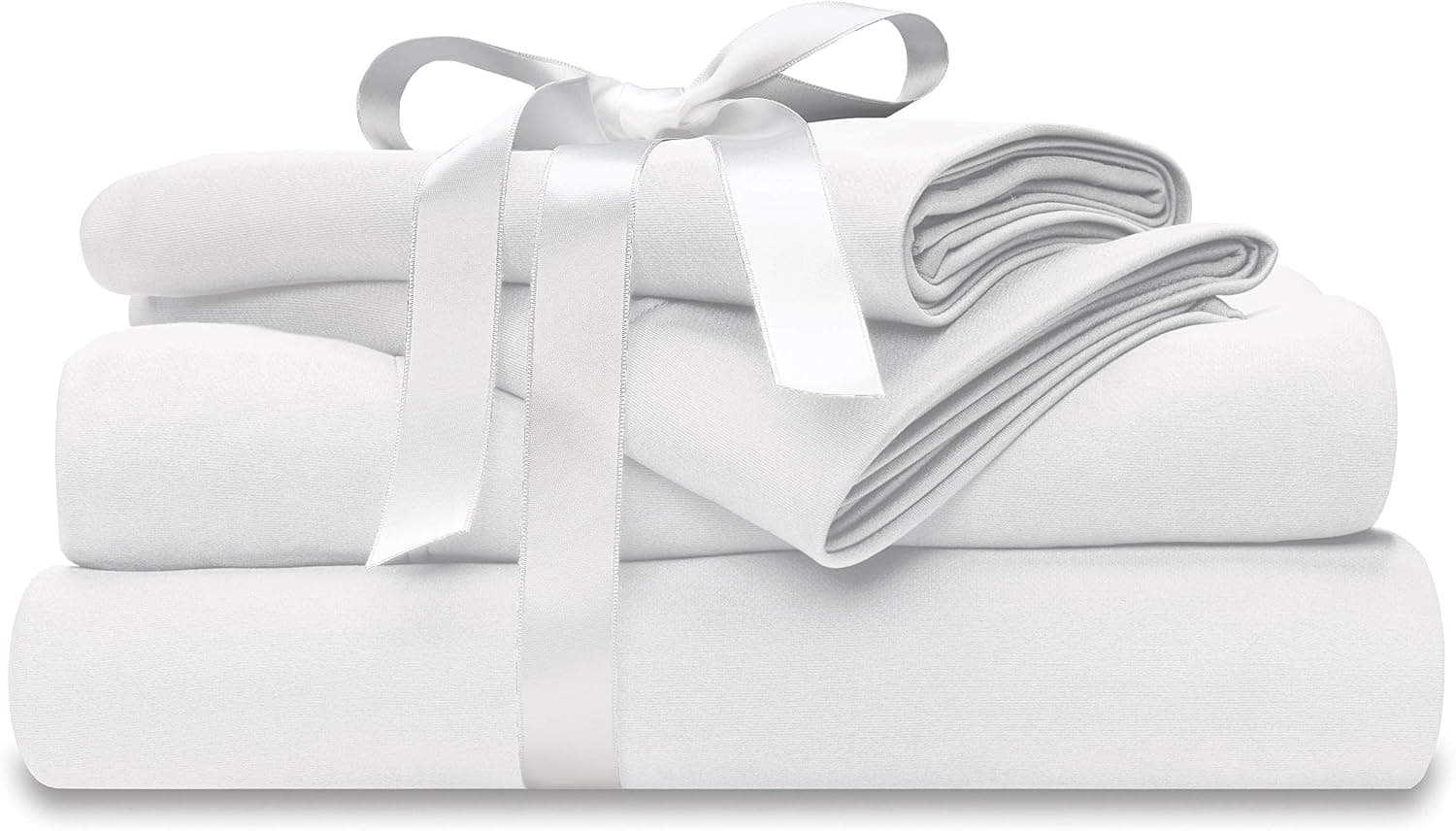
+ 6 Piece set includes extra pillowcases for swaps between washes
From our guide: Best Eucalyptus Lyocell Sheets
Popular right now
- Best Standing Fan Placement in a BedroomArticle
- Cooling Sheet Fabrics ComparedArticle
- Humidity and SleepArticle
- Breathable Mattress Materials for Cooler SleepArticle
- Keeping Kids Cool at NightArticle
- Best Portable AC for BedroomBuying guide
Based on the last 28 days of search and visitor data.