Keeping Kids Cool at Night
Published How we research
Children, and especially babies, do not regulate their body temperature as efficiently as adults, which makes them more prone to overheating at night. A room or bedding setup that feels fine to you can leave a child too warm, disrupting their sleep and, in the case of infants, raising safety concerns. The good news is that keeping kids cool is straightforward once you know the target temperature, the right bedding, and the signs that a child is too hot. A comfortable child also sleeps longer and wakes less, which benefits the whole household.
Start with the room temperature, which for children generally sits a touch warmer than the adult ideal, around 18 to 20 degrees Celsius. This range keeps a child comfortable without the risk of them becoming chilled. A simple room thermometer takes the guesswork out of it, since a nursery can feel deceptively warm to an adult standing in it. In summer, use the same daytime tactics you would for your own room: close curtains against the sun during the day, then ventilate in the cooler evening to bring the temperature down before bedtime.
Bedding and sleepwear should be light and breathable. Dress children in natural fibers like cotton, and in hot weather a single light layer is often enough. For babies, follow safe sleep guidance by keeping the cot free of loose blankets, pillows, and bumpers, and use a lightweight sleep sack rated for the room temperature rather than a heavy one in summer. Sleep sacks come with TOG ratings that indicate warmth, so choose a low TOG for hot nights. For older children, a thin cotton sheet or light blanket they can push off themselves gives them control over their own comfort.
Airflow helps enormously, but use it thoughtfully. A fan in a child's room cools by circulating air and, importantly, keeps fresh air moving, though you should aim it to move air around the room rather than blowing directly and constantly on a young child. Keep it on a low setting and out of reach. Cracking a window for cross ventilation on a warm evening can also lower the room temperature naturally. Always balance cooling with safety, keeping cords, fans, and any cooling devices well away from where a child can reach them.
Learn to read the signs of overheating, because children cannot always tell you they are too warm. Feel the back of the neck or the chest rather than the hands and feet, which normally run cooler; skin that is hot, damp, or sweaty means the child is overheated. Flushed cheeks, damp hair, rapid breathing, and restlessness are other clues. If a child feels too hot, remove a layer, lower the room temperature, and offer a drink of water for older children. For infants, overheating is a known risk factor for unsafe sleep, so erring on the cooler side is safer than overdressing.
Hydration and routine round out the picture. Make sure children drink enough during the day, especially in hot weather, so they are not going to bed dehydrated. A lukewarm bath before bed can help lower body temperature and doubles as a calming part of the wind-down routine. Keep bedtime consistent, and in a heatwave consider a slightly cooler bath and lighter pajamas rather than changing the whole routine. Small, calm adjustments help children settle even when it is warm.
Keeping kids cool at night is mostly about getting a few basics right: a room in the high teens, light breathable bedding, gentle airflow, and attention to the signs of overheating. Prioritize safety at every step, particularly for babies, by avoiding loose bedding and never overdressing them. Get these elements in place before a heatwave rather than during one, and both your children and you will sleep far more soundly through the warm months.
Products from this article
The highest-scoring picks from the buying guides mentioned above. Scores are our editorial assessment, not customer ratings.
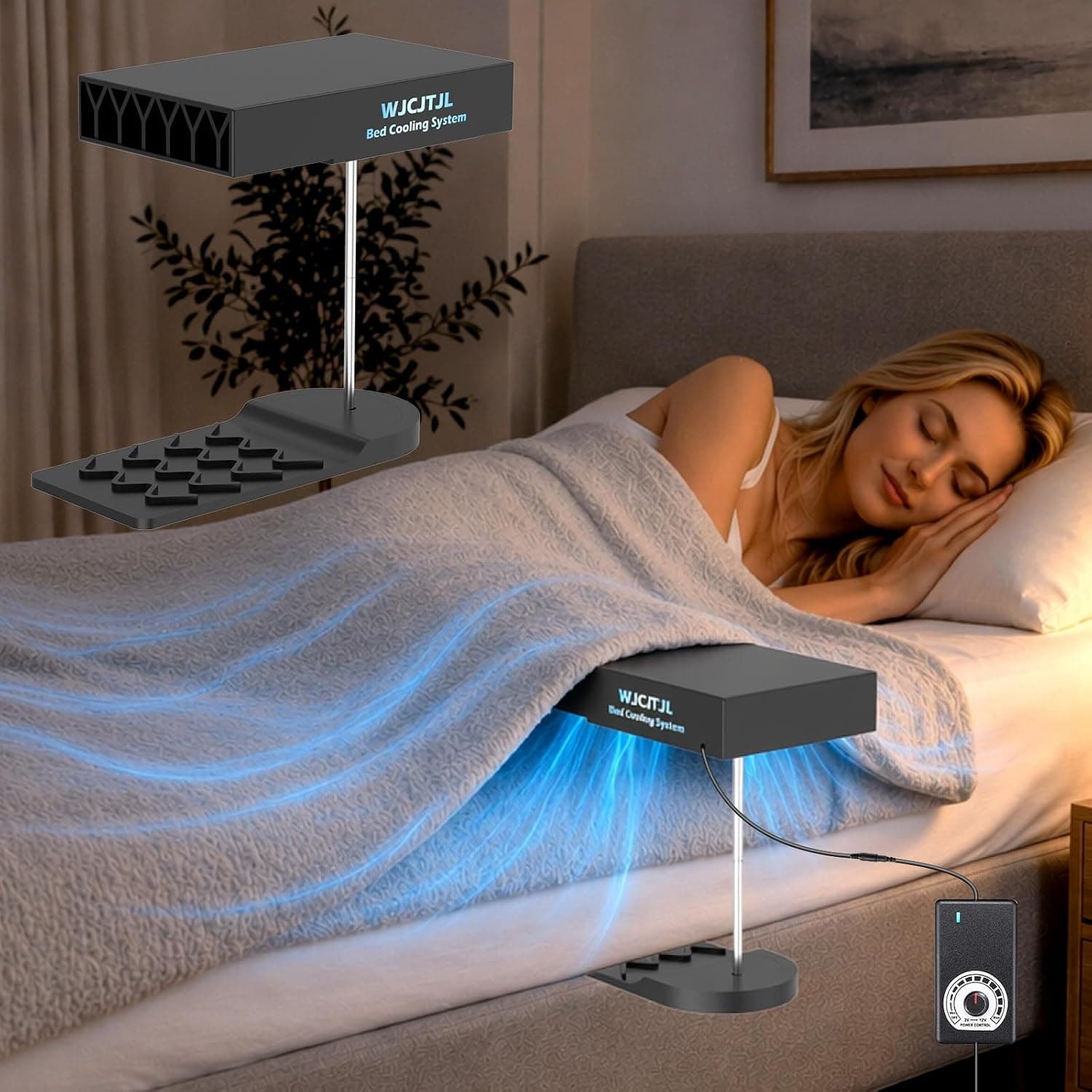
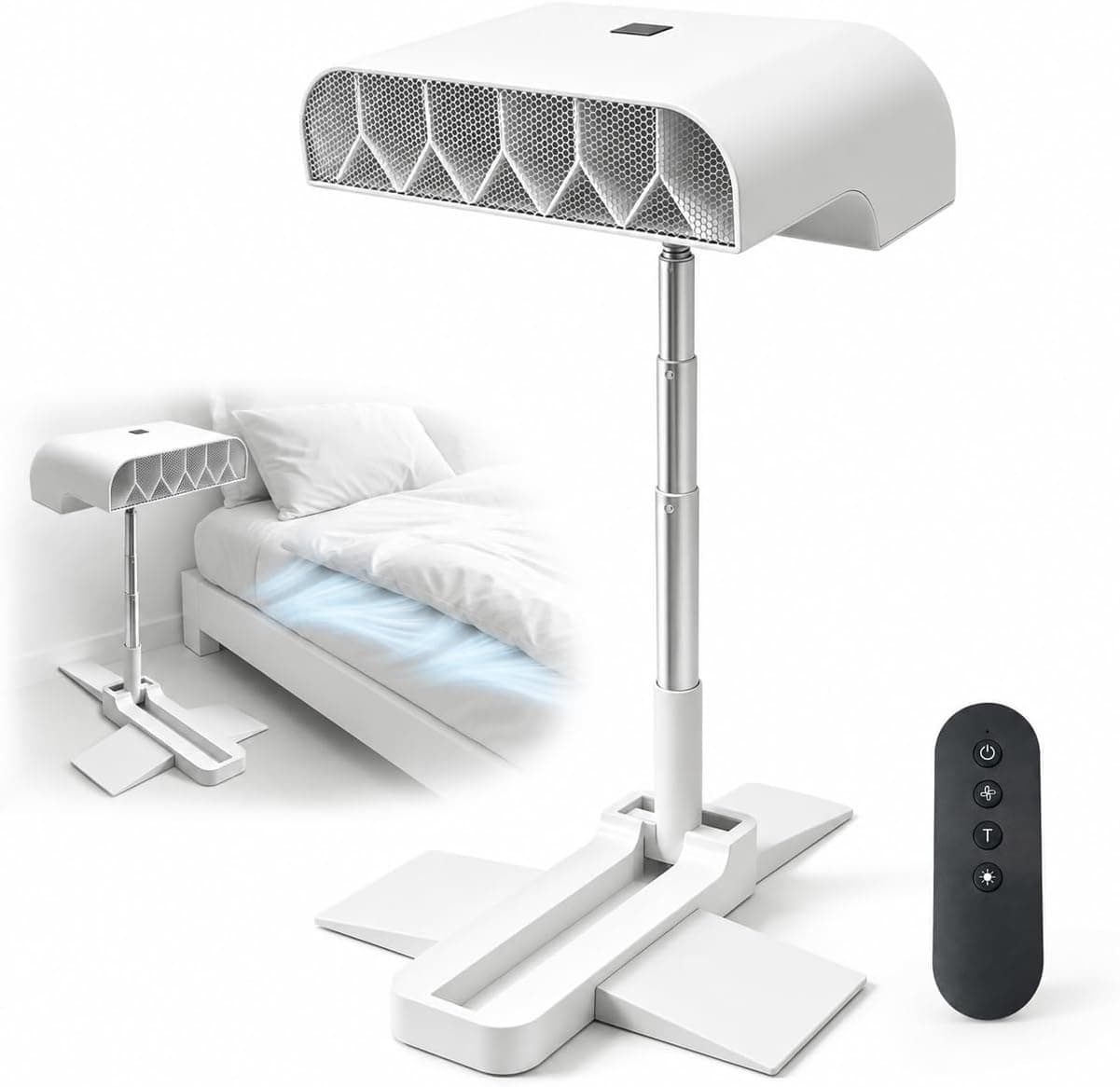
+ Cordless design with up to 22h runtime avoids a cable across the floor
From our guide: Best Cooling Bed Fans for Hot Sleepers (2026 Guide)
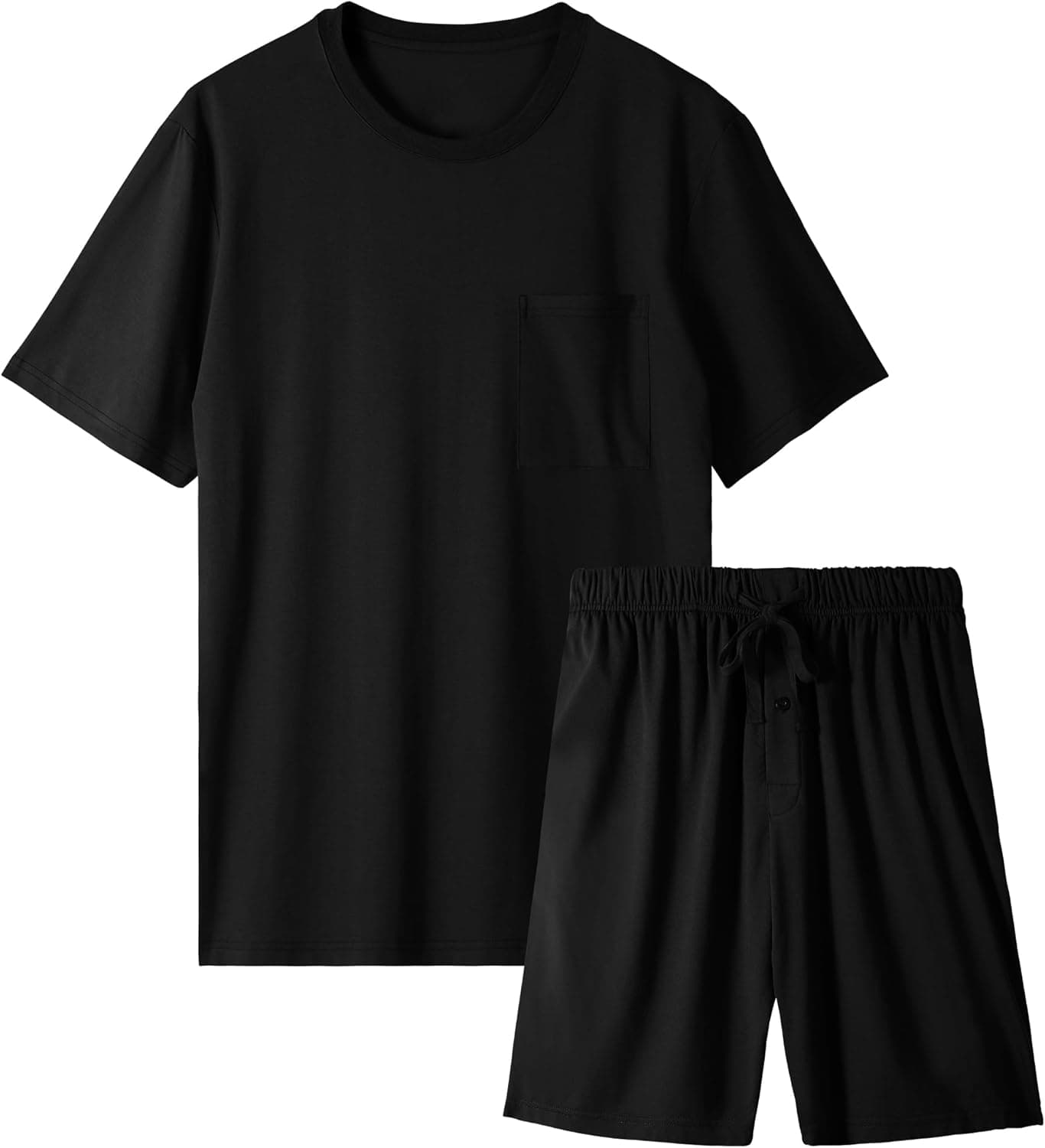
+ Moisture wicking fabric keeps sweat from soaking into the shirt
From our guide: Best Cooling Pajamas for Men Who Sleep Hot (2026)
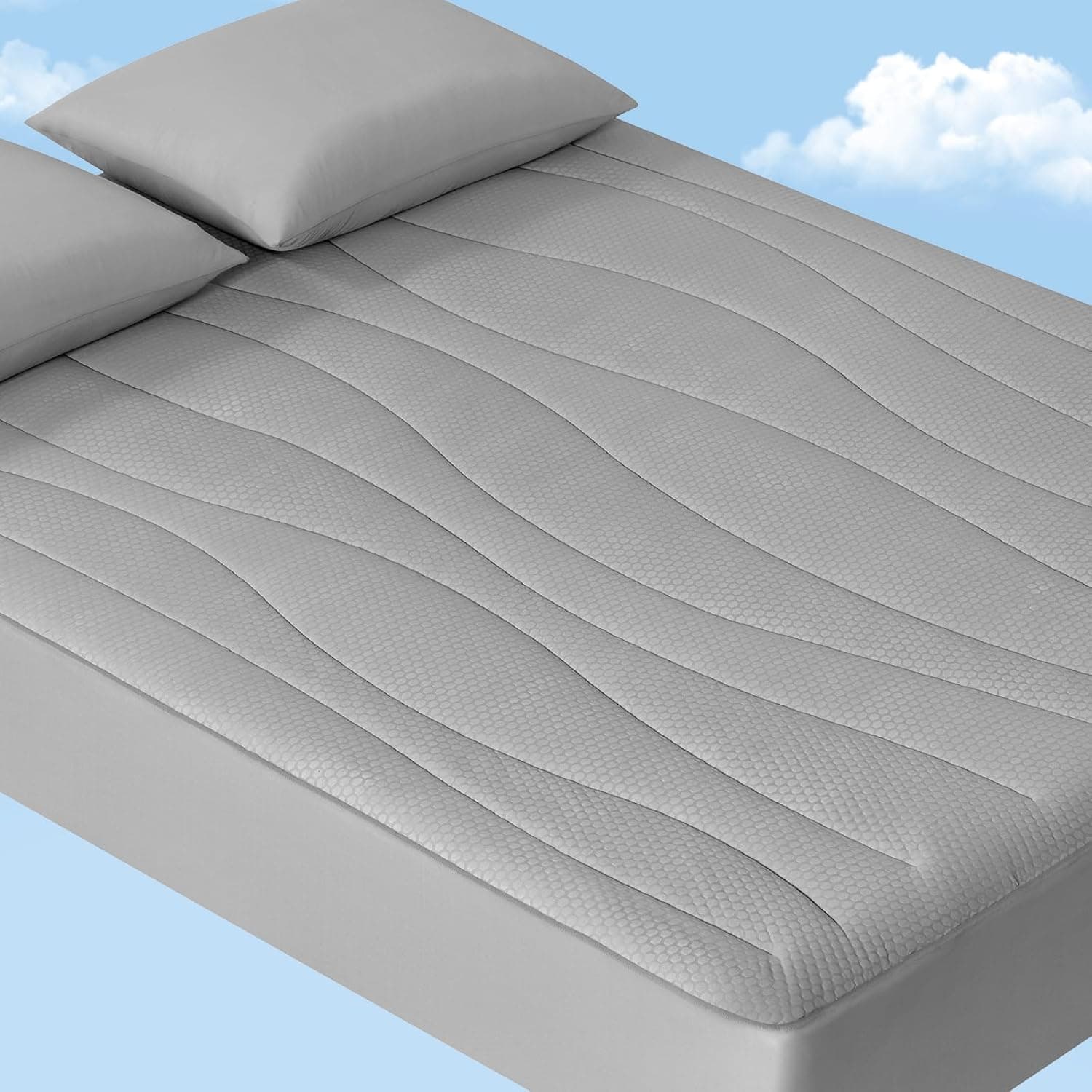
+ PCM layer absorbs heat and adds a second cooling method to Arc-Chill
From our guide: Best Cooling Mattress Pads
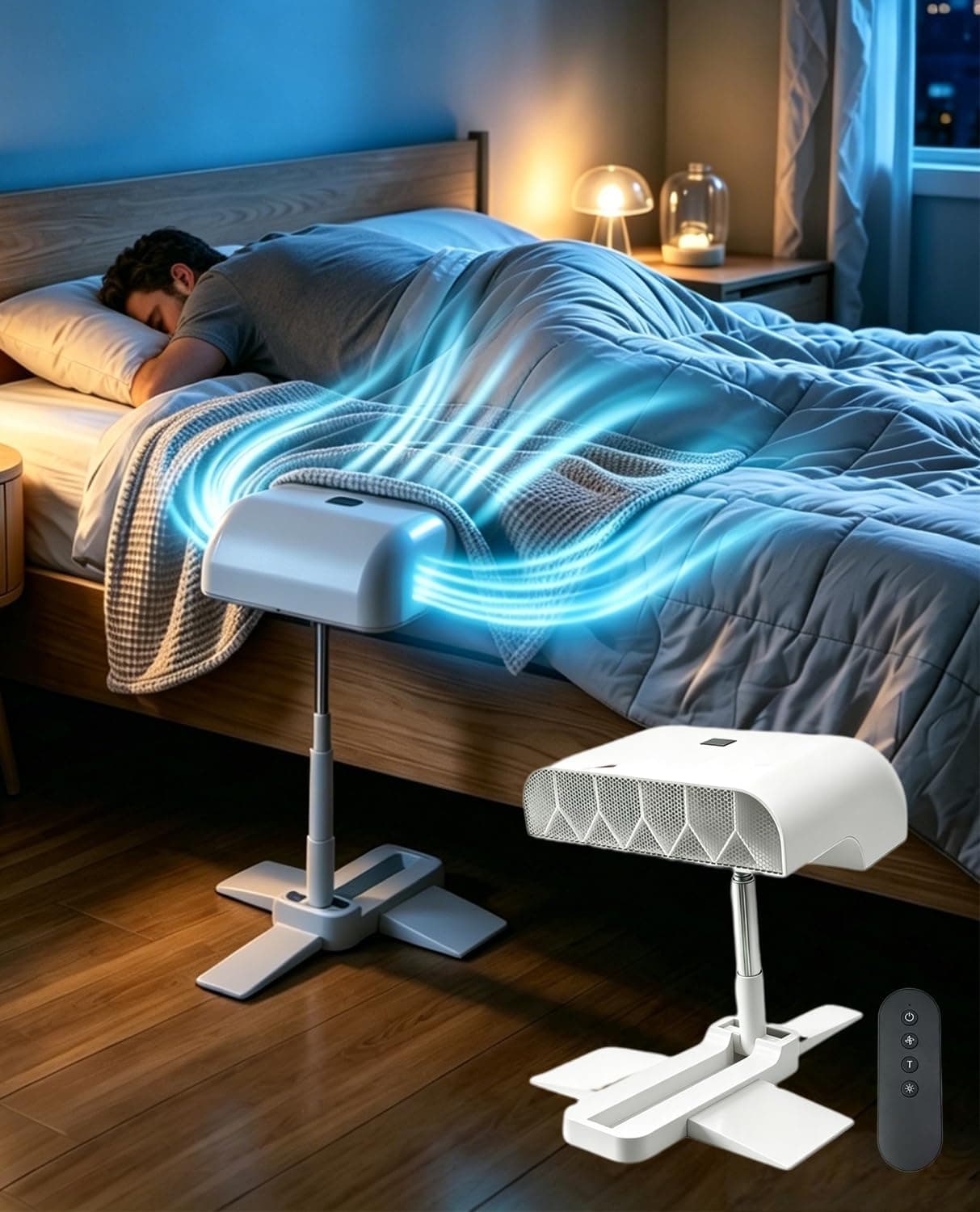
+ 5 speeds give flexible control from breeze to strong airflow
From our guide: Best Cooling Bed Fans for Hot Sleepers (2026 Guide)
Popular right now
- Best Standing Fan Placement in a BedroomArticle
- Cooling Sheet Fabrics ComparedArticle
- Humidity and SleepArticle
- Breathable Mattress Materials for Cooler SleepArticle
- Best Portable AC for BedroomBuying guide
- Active Bed Cooling SystemsArticle
Based on the last 28 days of search and visitor data.