Managing Night Sweats
Published How we research
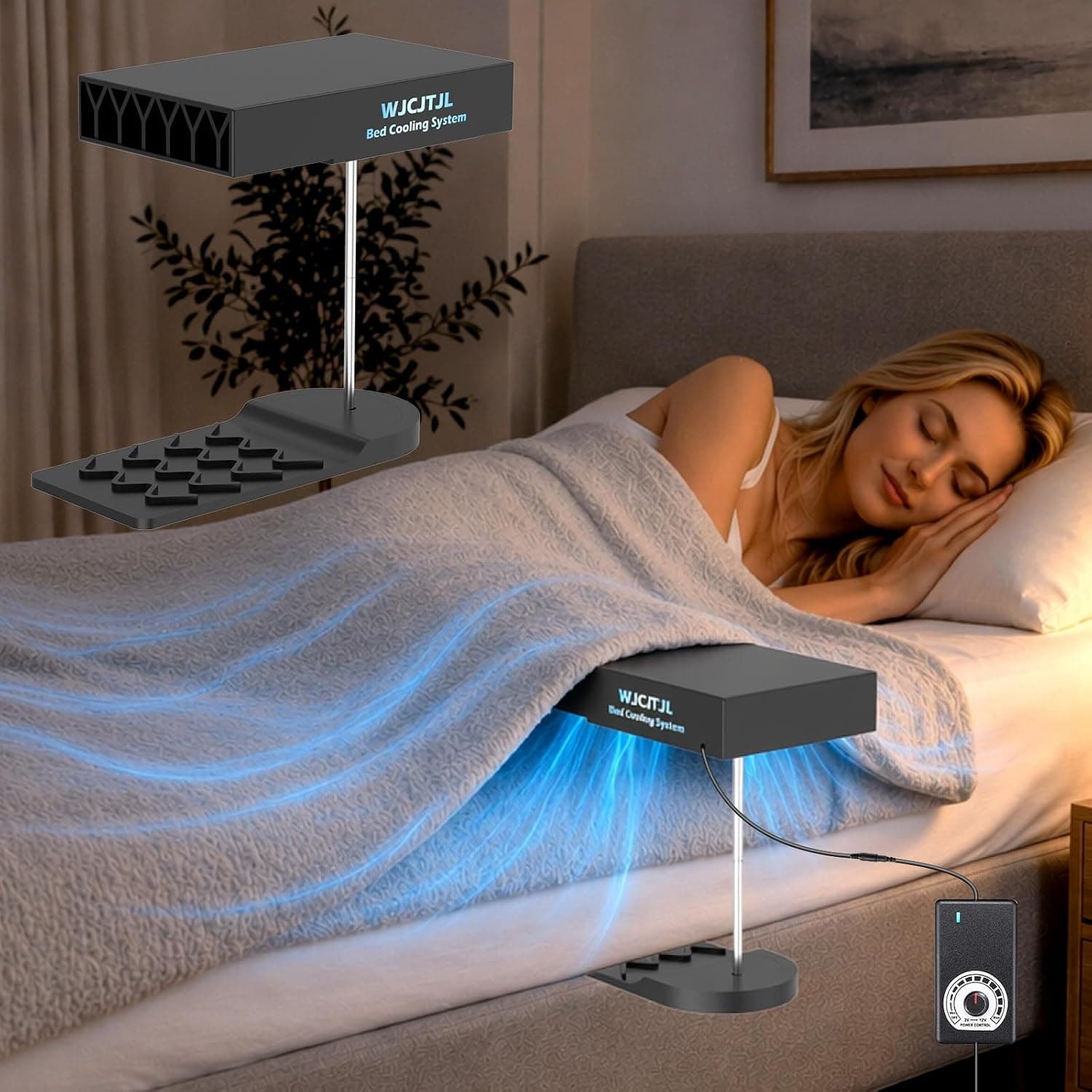
Start by ruling out environmental triggers like a warm bedroom, synthetic bedding, and alcohol or spicy food before bed, since these are the easiest to fix. Hormonal and medical factors, especially menopause and certain medications, are common causes and persistent unexplained sweats deserve a doctor's evaluation. Choose moisture-wicking bedding and sleepwear in linen, Tencel, or bamboo lyocell rather than polyester, keep the room cool with a fan running, and manage stress with a calming routine. Most cases improve substantially once environment, bedding, and routine are all addressed together. Waking up drenched, with damp sheets and a chill as the sweat cools, is one of the most disruptive sleep problems there is. Night sweats go beyond simply feeling warm; they involve heavy sweating that soaks your bedclothes and often forces you to get up and change. Understanding what drives them is the first step, because the right solution depends heavily on the cause. Some night sweats are environmental and easily fixed, while others are signals worth discussing with a doctor.
Start with environmental triggers
Start by ruling out the obvious environmental triggers, because they are the most common and the easiest to address. A bedroom that is too warm, a heavy synthetic duvet, non-breathable sheets, and thick sleepwear all trap heat and moisture against your body until it responds by sweating. Alcohol, caffeine, and spicy food eaten close to bedtime can all raise body temperature and provoke sweating. If your night sweats appeared after a change in bedding, a heatwave, or a new evening habit, environmental adjustments alone may solve the problem entirely.
Hormonal and medical factors
Hormonal and medical factors are the next layer to consider. Menopause and perimenopause are among the most frequent causes in women, as fluctuating estrogen disrupts the body's temperature regulation and triggers hot flashes that continue into the night. Certain medications, particularly some antidepressants, hormone treatments, and diabetes drugs that can cause low blood sugar overnight, list sweating as a side effect. Infections, thyroid problems, anxiety, and less commonly some serious conditions can also cause night sweats, which is why persistent, unexplained, or drenching sweats deserve a medical evaluation rather than only a bedding upgrade.
Bedding built to move moisture away
On the bedding front, the goal is to move moisture away from your skin and let it evaporate quickly so you never lie in a damp, cooling layer. Choose sheets in moisture-wicking fibers such as linen, Tencel, or bamboo lyocell rather than polyester, and pick a lightweight, breathable duvet. Moisture-wicking mattress protectors exist specifically for heavy sweaters and protect the mattress while keeping the surface drier. Keeping a spare set of sheets and sleepwear within reach means a midnight change is quick and does not fully wake you.
Sleepwear: less is often more
Sleepwear deserves its own attention, and less is often more. Loose, breathable fabrics like cotton, bamboo, or merino wool designed for temperature regulation help far more than heavy or synthetic pajamas. Some people sweat less sleeping in minimal clothing so heat escapes freely, while others prefer a thin moisture-wicking layer that absorbs sweat and pulls it away from the skin. Experiment to see which works for your body, and avoid tight waistbands or fabrics that cling once damp.
Daytime and evening routine changes
Your daytime and evening routine can reduce the frequency of episodes. Keep the bedroom cool and well ventilated with a fan running to promote evaporation. Avoid alcohol, large meals, caffeine, and spicy food in the few hours before bed. Stay hydrated so your body regulates temperature efficiently, and keep a glass of water and even a small cool cloth by the bed for flare-ups. Managing stress with a calming wind-down routine also helps, since anxiety and a racing mind can trigger the same sweat response.
When it's time to see a doctor
Most night sweats improve substantially once you combine a cooler, better-ventilated room with breathable bedding and sleepwear and a few routine tweaks. Track when they happen and what preceded them, because patterns often reveal the trigger. If you have made these changes and still wake up drenched regularly, or if the sweats come with weight loss, fever, or other symptoms, see a doctor to rule out an underlying cause. For the majority of people, though, the fix lies in the bedroom, not the clinic.
Frequently asked questions
What is the most common cause of night sweats? Environmental triggers such as a bedroom that is too warm, synthetic bedding, and alcohol or spicy food before bed are the most common and easiest to fix. Hormonal factors like menopause are also very common.
When should night sweats worry me enough to see a doctor? If they are persistent, unexplained, or drenching, or come with weight loss or fever, since these can signal a medical cause beyond environment or hormones.
What bedding helps most with night sweats? Moisture-wicking fibers such as linen, Tencel, or bamboo lyocell rather than polyester, plus a moisture-wicking mattress protector to keep the sleeping surface drier.
Does what I eat before bed affect night sweats? Yes. Alcohol, caffeine, spicy food, and large meals close to bedtime can all raise body temperature and provoke sweating.
Products from this article
The highest-scoring picks from the buying guides mentioned above. Scores are our editorial assessment, not customer ratings.
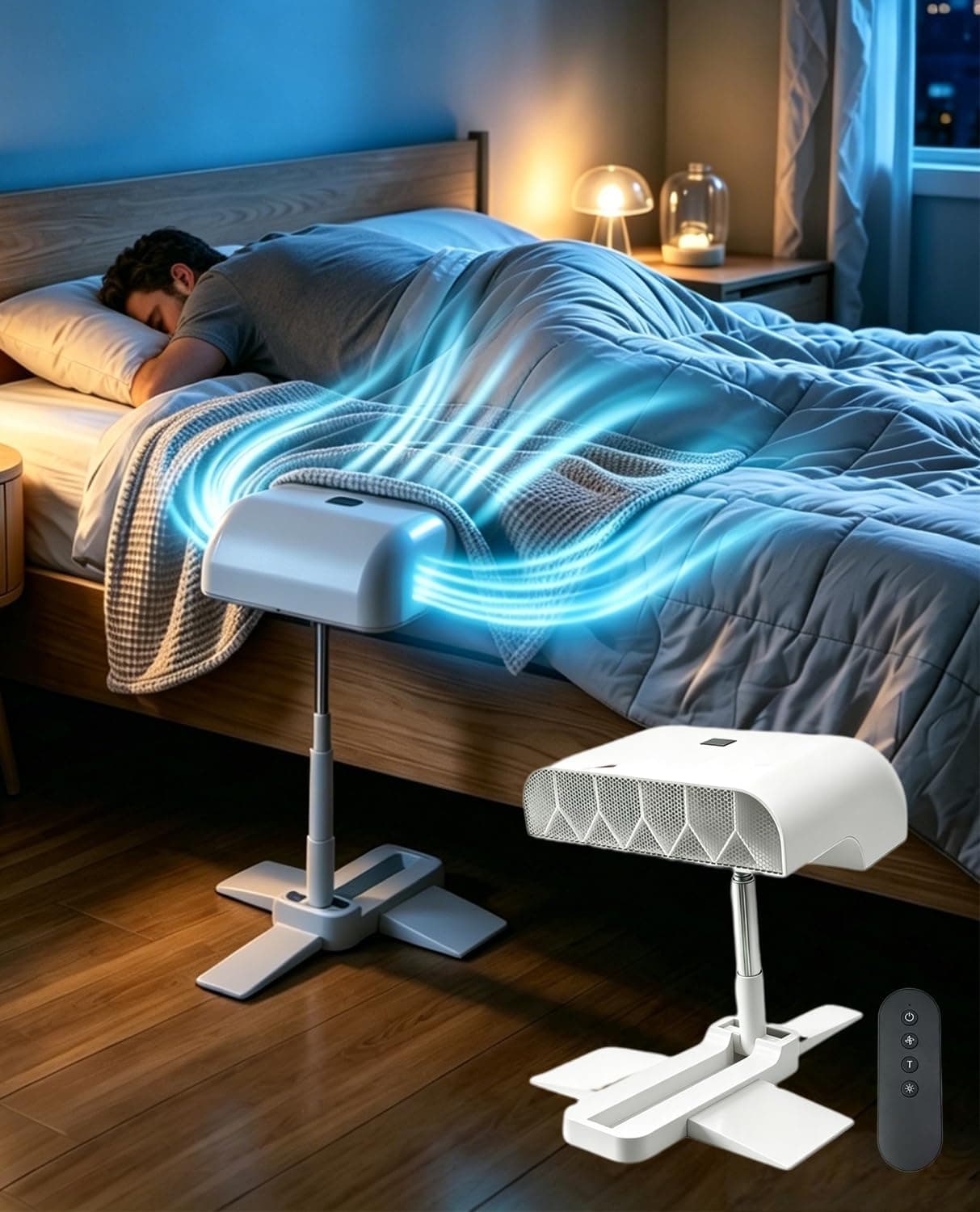
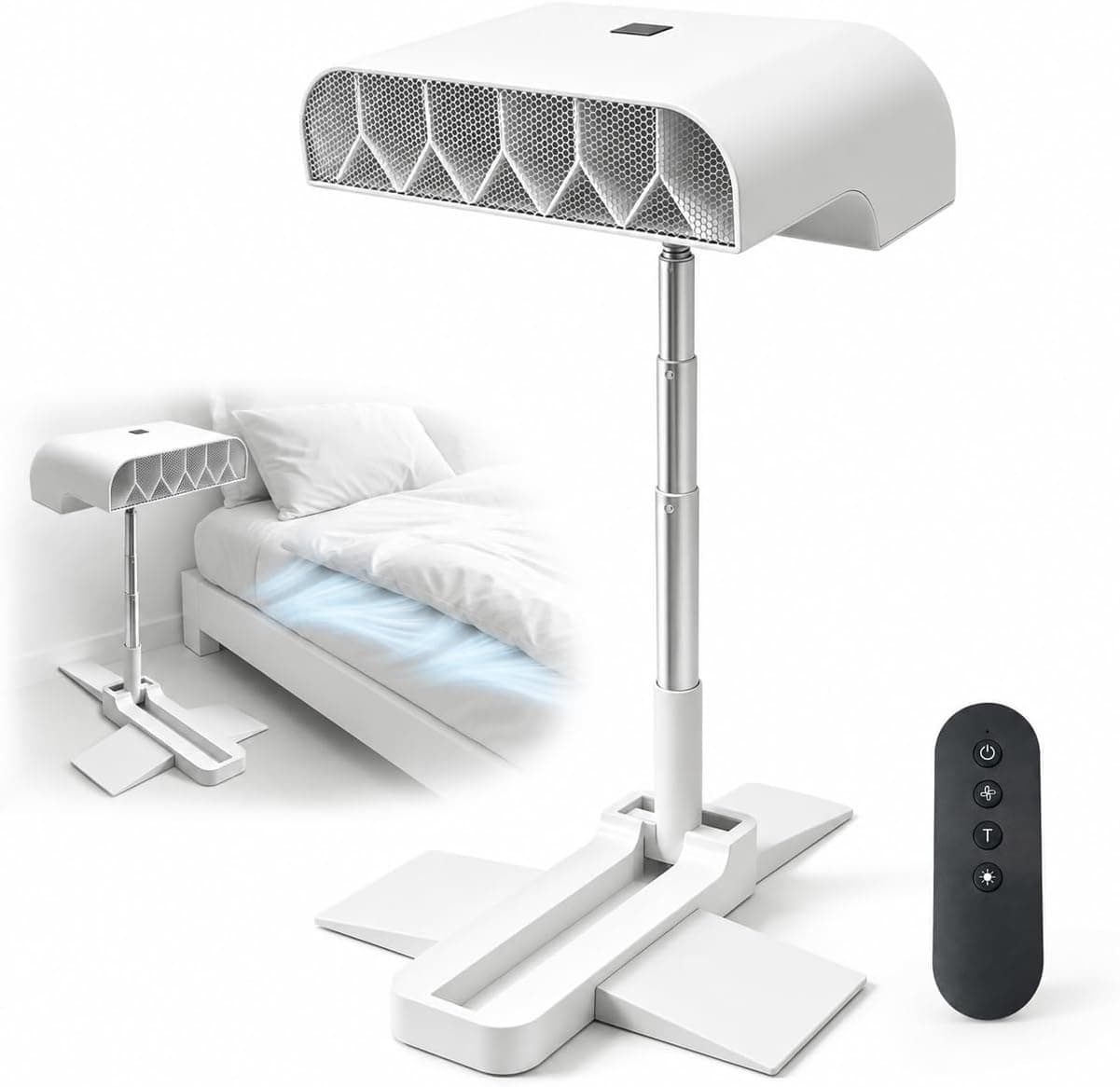
+ Cordless design with up to 22h runtime avoids a cable across the floor
From our guide: Best Cooling Bed Fans for Hot Sleepers (2026 Guide)
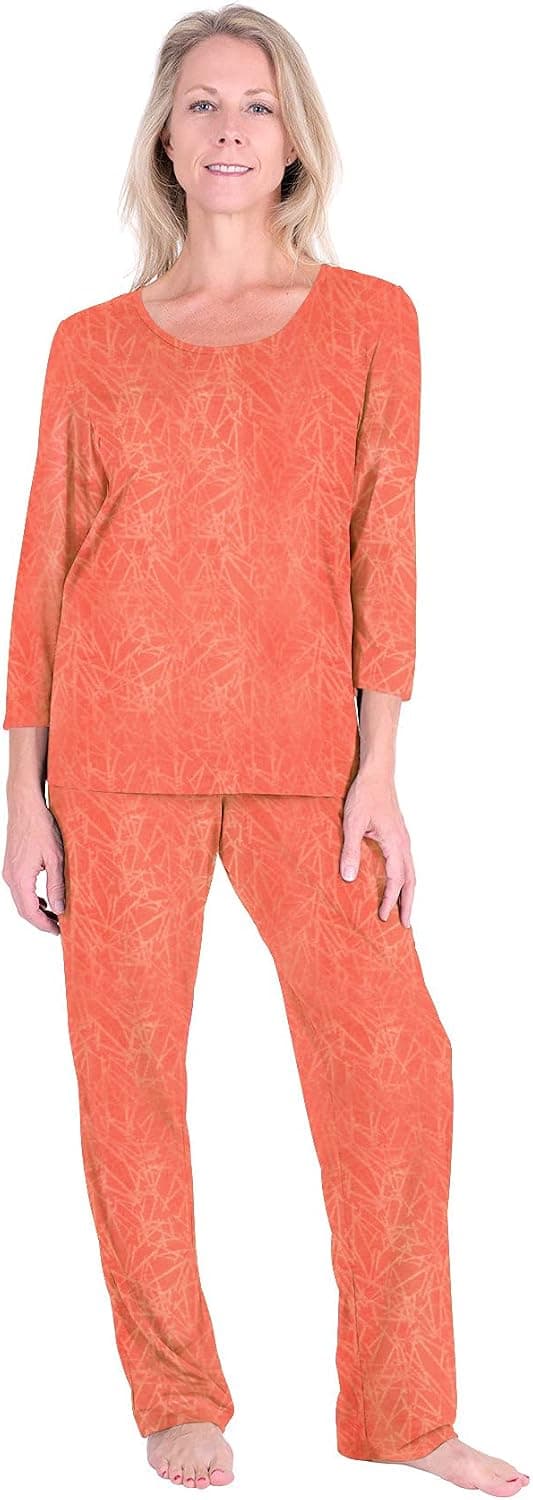
+ Brand focuses on sweat-free sleepwear, so the fabric is designed around wicking moisture
From our guide: Best Cooling Pajamas for Women Who Sleep Hot (2026)
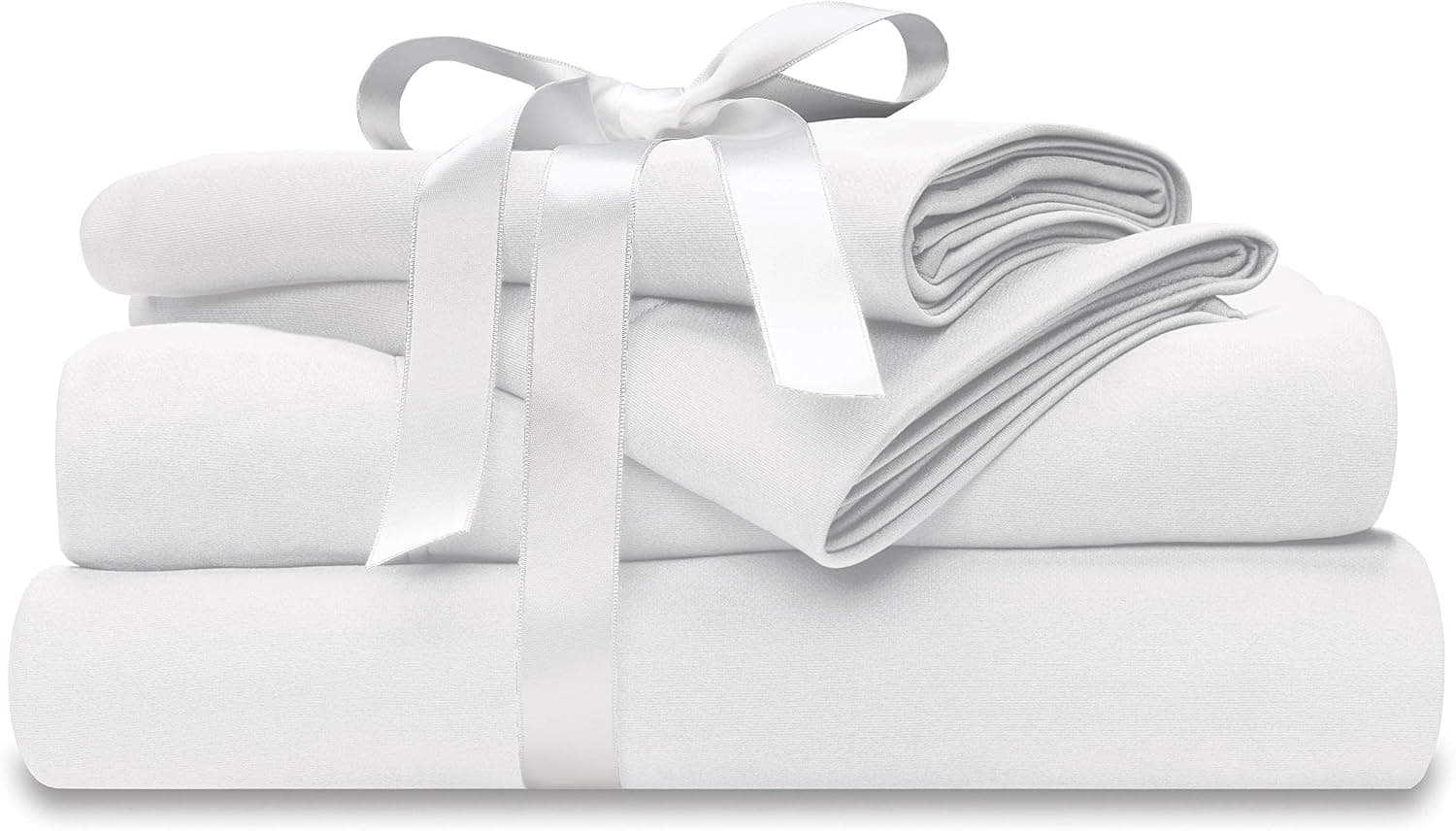
+ Moisture-wicking fabric is the brand's whole focus, aimed at night sweats
From our guide: Best Moisture-Wicking Sheets for Hot Sleepers (2026)
+ 5 speeds give flexible control from breeze to strong airflow
From our guide: Best Cooling Bed Fans for Hot Sleepers (2026 Guide)
Popular right now
- Best Standing Fan Placement in a BedroomArticle
- Cooling Sheet Fabrics ComparedArticle
- Humidity and SleepArticle
- Breathable Mattress Materials for Cooler SleepArticle
- Keeping Kids Cool at NightArticle
- Best Portable AC for BedroomBuying guide
Based on the last 28 days of search and visitor data.