Why Do I Wake Up Sweating at Night?
Published How we research
Waking up damp with sweat is uncomfortable and disruptive, and it leaves many people wondering what is going wrong. While there are many possible reasons, a large share of nighttime overheating comes down to your sleep environment and habits, which are the things you can adjust most easily.
Your body naturally lowers its core temperature as you fall asleep, and it does this partly by releasing heat through the skin. If that heat has nowhere to go, because the room is warm or your bedding traps it, you can end up sweating as your body works harder to cool down.
Bedding is a frequent cause. Thick comforters, non-breathable mattress toppers, and synthetic sheets can hold heat and moisture against your skin. Layers made from breathable, moisture-wicking materials let sweat evaporate and let warm air escape, which reduces that clammy feeling.
Room conditions matter just as much. A bedroom that is too warm or too humid makes it hard for your body to shed heat. Many people sleep better in a cooler room, so lowering the thermostat at night, improving airflow, and reducing humidity can all help.
Everyday habits play a role too. Alcohol, spicy food, and caffeine close to bedtime can raise body temperature or disrupt sleep, and exercising late in the evening leaves your body warmer for a while. Heavy or tight sleepwear can also trap heat, so lighter, looser fabrics tend to feel cooler.
Stress and an irregular schedule can contribute as well, since they affect how deeply and steadily you sleep. Building a calm, consistent wind-down routine and keeping the bedroom dark and cool supports the natural temperature drop that healthy sleep depends on.
If you have made these changes and still wake up drenched regularly, or if the sweating is sudden, severe, or paired with other symptoms, it is worth talking to a healthcare professional. Persistent night sweats can have medical causes that are worth checking. For the common case of simply running hot, though, cooler bedding and a cooler room solve the problem for most people.
Products from this article
The highest-scoring picks from the buying guides mentioned above. Scores are our editorial assessment, not customer ratings.
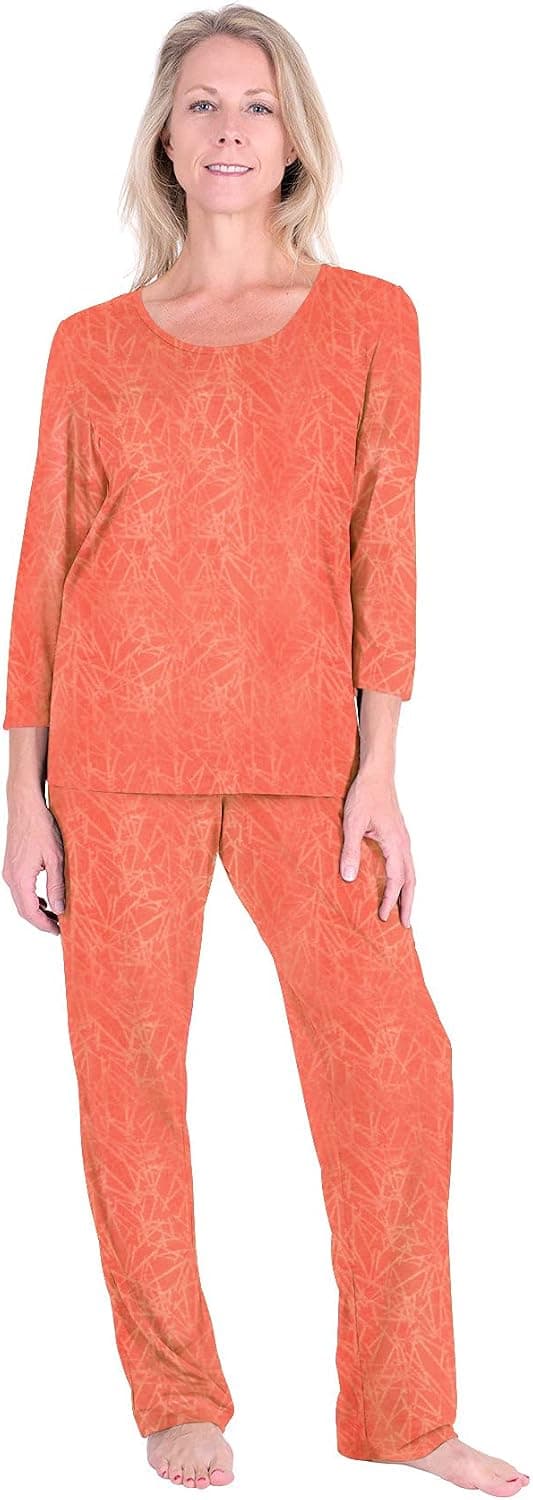
+ Brand focuses on sweat-free sleepwear, so the fabric is designed around wicking moisture
From our guide: Best Cooling Pajamas for Women Who Sleep Hot (2026)
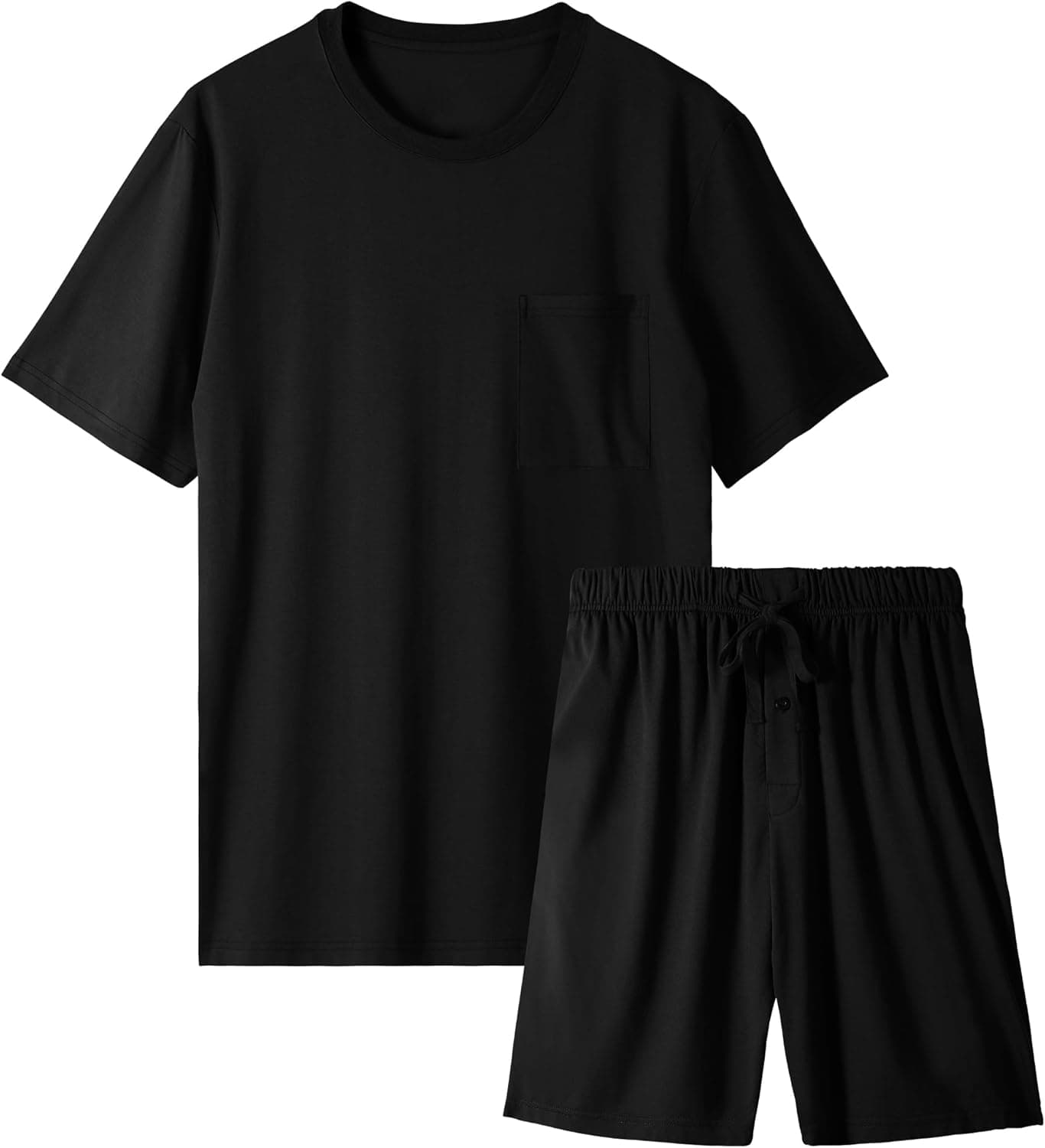
+ Moisture wicking fabric keeps sweat from soaking into the shirt
From our guide: Best Cooling Pajamas for Men Who Sleep Hot (2026)
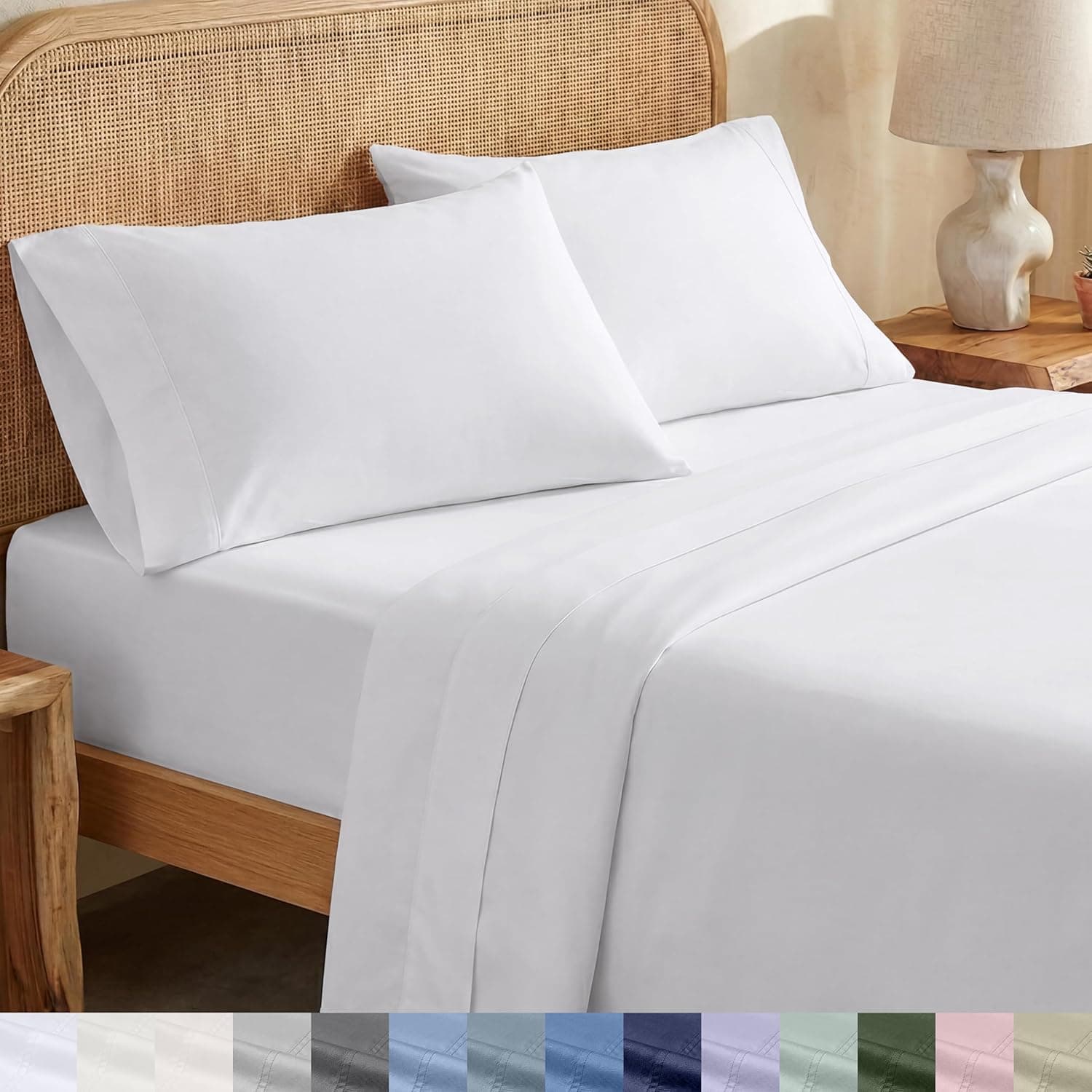
+ Crisp percale weave is one of the coolest cotton weaves for summer
From our guide: Best Cooling Sheets
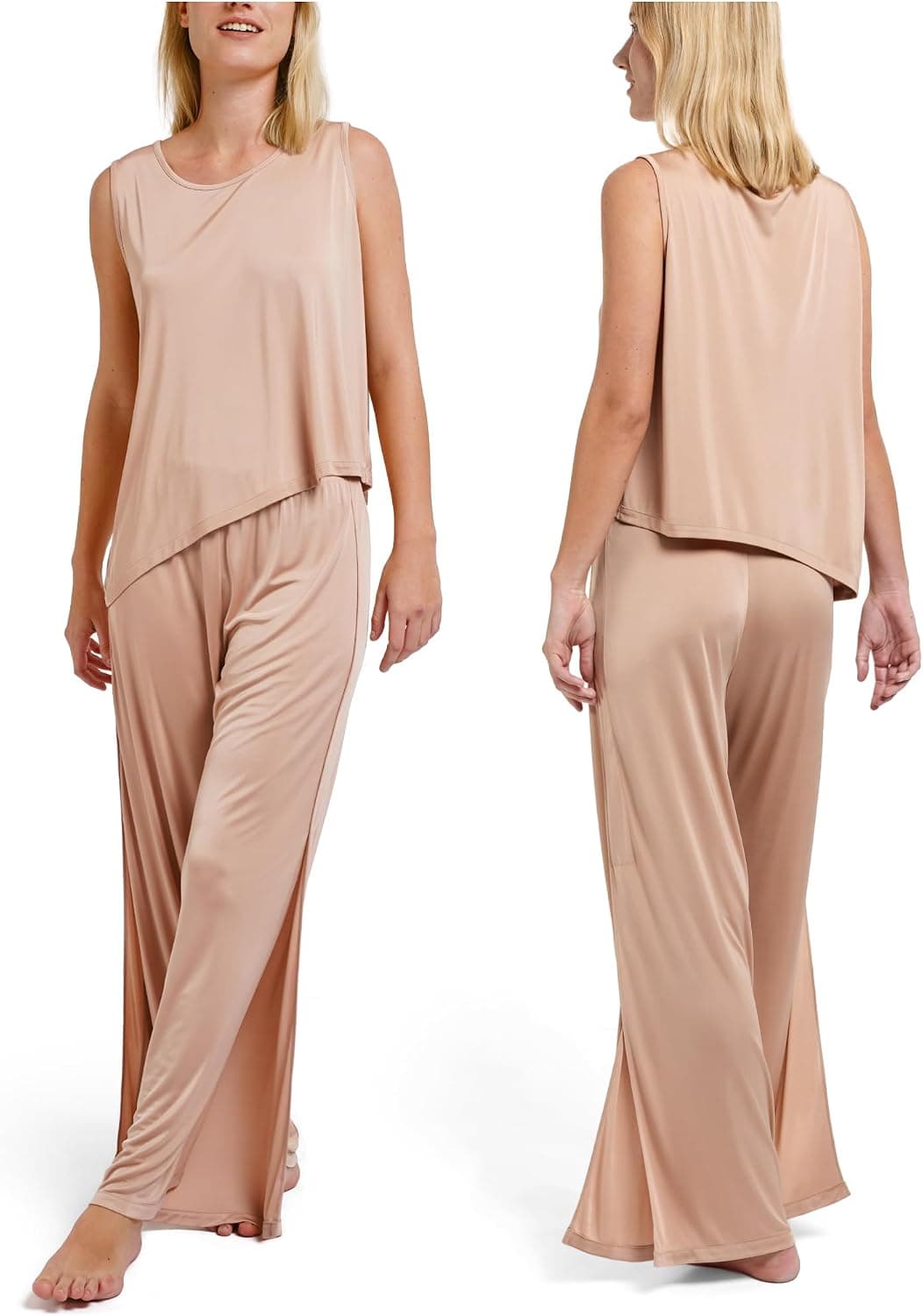
+ Quick-dry fabric recovers fast after a sweaty night instead of staying damp
From our guide: Best Cooling Pajamas for Women Who Sleep Hot (2026)
Popular right now
- Best Standing Fan Placement in a BedroomArticle
- Cooling Sheet Fabrics ComparedArticle
- Humidity and SleepArticle
- Breathable Mattress Materials for Cooler SleepArticle
- Keeping Kids Cool at NightArticle
- Best Portable AC for BedroomBuying guide
Based on the last 28 days of search and visitor data.