Active Bed Cooling Systems
Published How we research
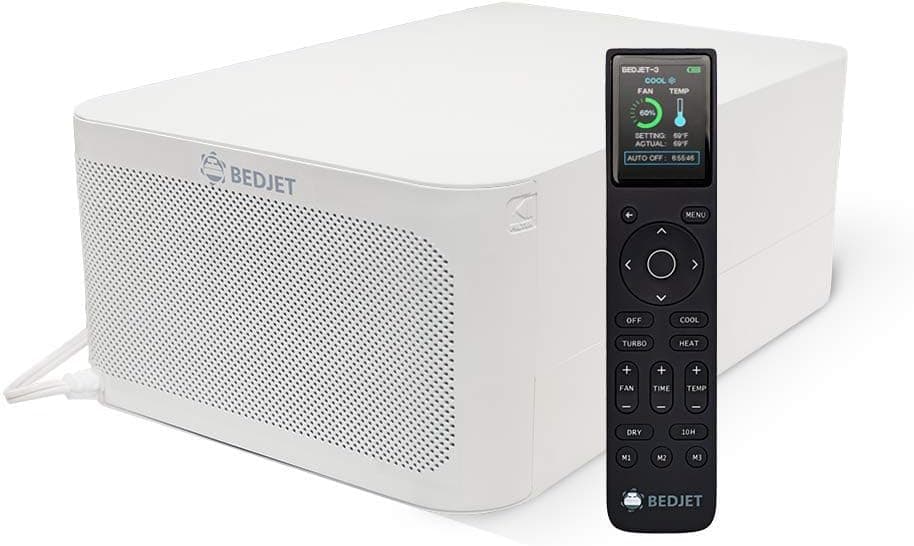
Active bed cooling systems remove heat using water, air, or thermoelectric technology instead of just avoiding trapping it. Water-based mattress pads circulate temperature-controlled water and are the most popular, often with dual zones for couples; air-based systems are quieter but slightly less powerful; thermoelectric and smart systems sit at the high end with sensors and app control. They deliver real, adjustable relief for people whose sleep is wrecked by heat, but cost, maintenance, and noise are genuine tradeoffs, so try cheaper fixes first. For sleepers who have tried breathable sheets, cooling pillows, and a fan yet still overheat, active bed cooling systems are the next step up. Unlike passive products that simply avoid trapping heat, these devices actively remove heat from the bed using water, air, or thermoelectric technology. They are more expensive and more complex, but they can hold a precise temperature all night in a way that no sheet or topper can match. Understanding the main types helps you decide whether the investment fits your situation.
Water-based mattress pads: the most popular option
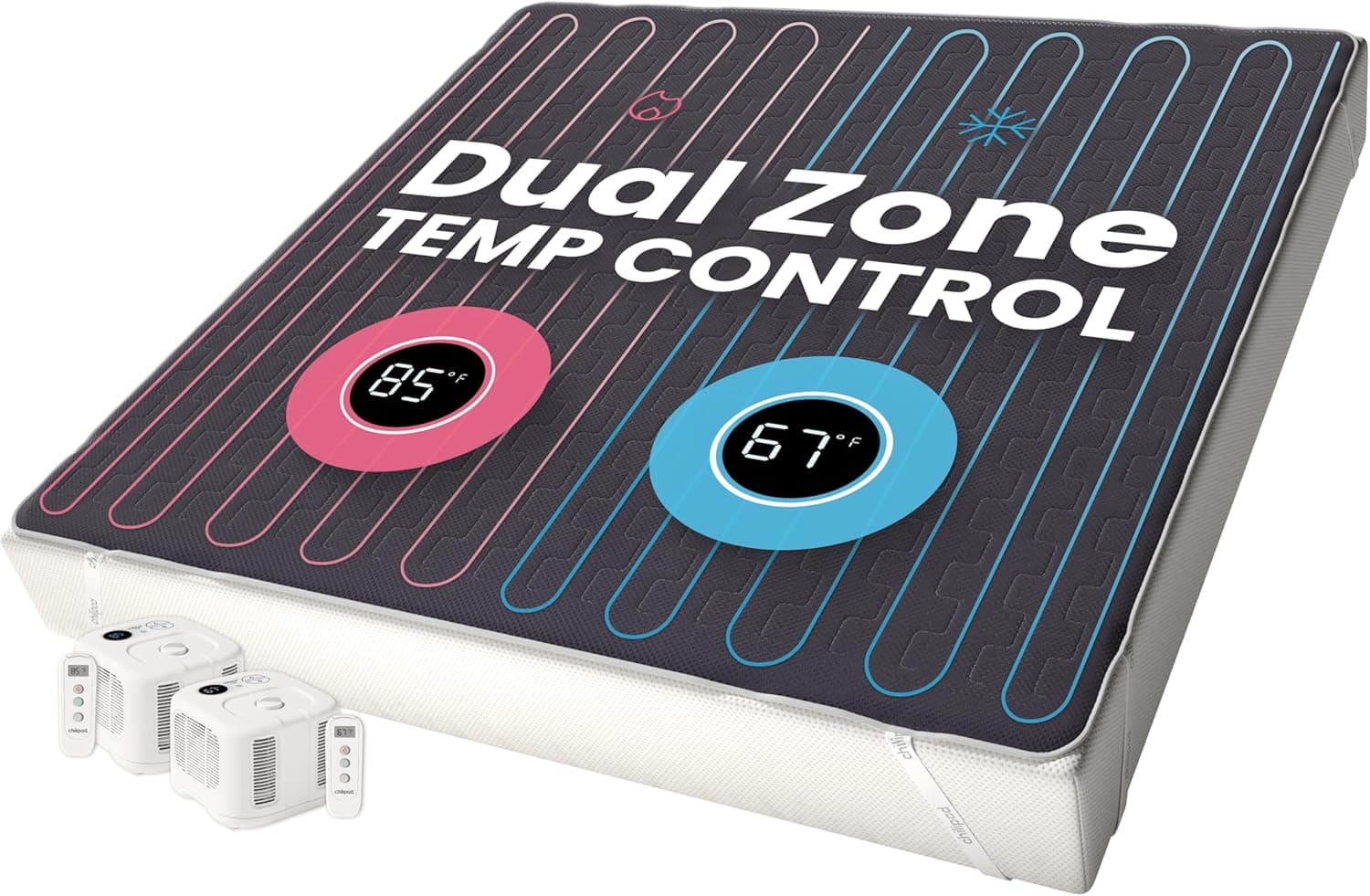
The most popular category is the water-based mattress pad. These systems circulate temperature-controlled water through thin channels in a pad that sits on top of your mattress, under your sheet. A bedside control unit heats or cools the water and pumps it through the pad, letting you dial in a specific temperature. Because water conducts heat far more effectively than air, these systems are powerful and can make a real difference for heavy sweaters. Many offer dual zones so two people can set different temperatures on each side of the bed, which solves the classic couple's thermostat war.
Air-based systems: a quieter alternative
Air-based systems work on a similar principle but push cooled or warmed air through a pad or a specially designed mattress rather than circulating water. They tend to be quieter than some water pumps and avoid the small risk of leaks, though air is a less efficient heat conductor than water, so the cooling effect can be gentler. Some systems combine airflow with the mattress itself, drawing heat and moisture away from your body throughout the night rather than only chilling the surface.
Thermoelectric and smart systems: the high end
Thermoelectric and smart systems represent the high end. These use electronic cooling elements and sensors to adjust temperature automatically, sometimes syncing with your sleep stages so the bed cools during deep sleep and warms slightly before waking to help you rise naturally. Some track your sleep and learn your preferences over time. The sophistication is impressive, but it comes with the highest price tags, app dependence, and more that can potentially break compared with a simple pad.
The real advantages of active cooling
The advantages of active systems are substantial for the right person. They deliver consistent, adjustable temperature control that passive products cannot, they often include dual-zone options for couples, and many can warm as well as cool, making them useful year round. For people whose sleep is genuinely wrecked by heat, whether from menopause, medication, or simply running hot, the improvement in sleep quality can justify the cost many times over.
The drawbacks worth weighing
The drawbacks are real and worth weighing honestly. These systems are expensive, often costing many times more than a good set of sheets or a cooling topper. They require electricity and a control unit by the bed, water-based models need periodic refilling and cleaning to prevent buildup, and pumps or fans can produce noise that light sleepers notice. There is also more to go wrong, and repairs or replacements add long-term cost. They are a commitment, not a casual purchase.
Start cheap, then decide if you need one
Before buying, work through the cheaper options first, because many hot sleepers get enough relief from a cooler room, breathable bedding, and a fan without ever needing an active system. If you have exhausted those and heat still ruins your nights, an active cooling system is a legitimate and often transformative solution. Look for adjustable temperature ranges, dual zones if you share the bed, a reasonably quiet pump, easy maintenance, and a solid warranty and trial period so you can test it against your own body before committing for good.
Frequently asked questions
How do water-based bed cooling systems work? A bedside control unit heats or cools water and circulates it through thin channels in a pad under your sheet, letting you dial in a specific temperature, often with dual zones for couples.
Are air-based bed cooling systems as powerful as water-based ones? Generally no. Air is a less efficient heat conductor than water, so air-based systems tend to have a gentler cooling effect, though they run quieter and avoid leak risk.
Are active bed cooling systems worth the cost? For people whose sleep is genuinely disrupted by heat, from menopause, medication, or naturally running hot, the improvement can justify the cost. For milder cases, cheaper bedding fixes may be enough.
What should I check before buying an active cooling system? Adjustable temperature range, dual zones if you share a bed, a reasonably quiet pump, easy maintenance, and a solid warranty or trial period so you can test it on your own body.
Products from this article
The highest-scoring picks from the buying guides mentioned above. Scores are our editorial assessment, not customer ratings.
+ Dual Zone control lets each partner set their own temperature
From our guide: Best Bed Cooling Systems
+ 100% cotton surface feels more natural than plastic-feeling pads
From our guide: Best Water Cooling Mattress Pads for Hot Sleepers
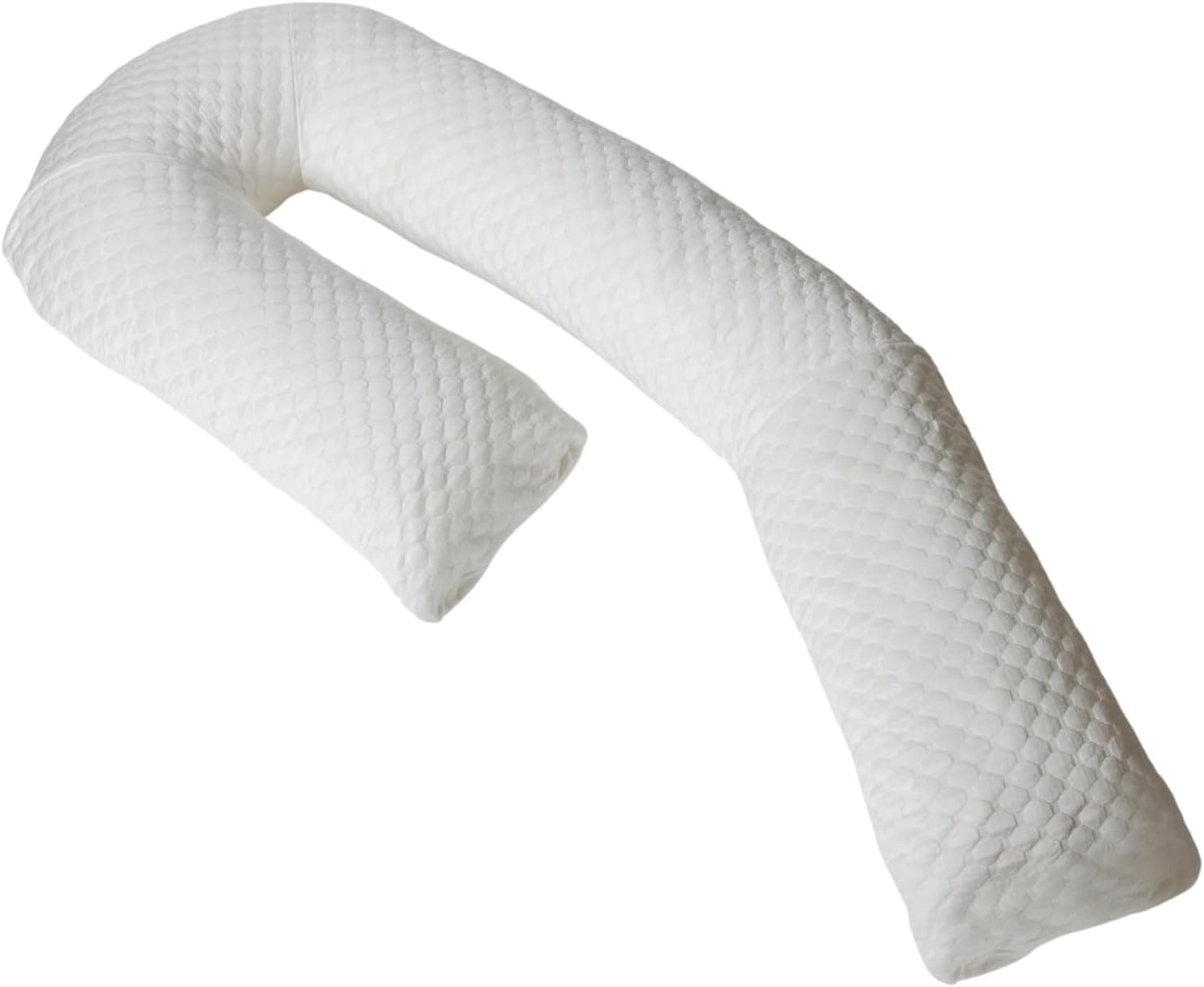
+ MedCline specializes in positional sleep support products
From our guide: Best Cooling Pillows for Side Sleepers
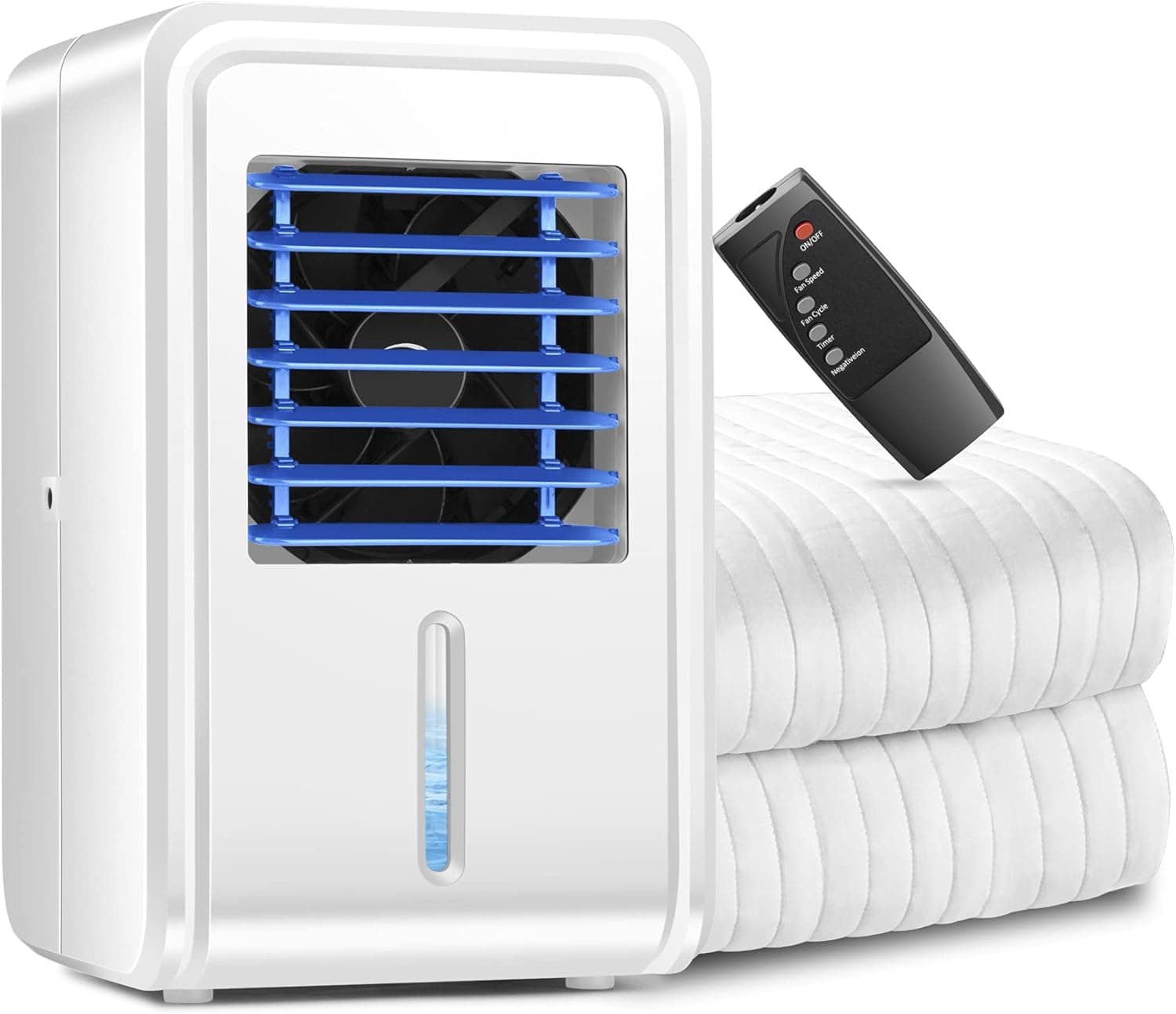
+ Blows air directly under the covers for fast cooling
From our guide: Best Bed Cooling Systems
Popular right now
- Best Standing Fan Placement in a BedroomArticle
- Cooling Sheet Fabrics ComparedArticle
- Humidity and SleepArticle
- Breathable Mattress Materials for Cooler SleepArticle
- Keeping Kids Cool at NightArticle
- Best Portable AC for BedroomBuying guide
Based on the last 28 days of search and visitor data.