The Best Bedroom Temperature for Sleep
Published How we research
If you have ever wondered whether your bedroom is too warm, the science is surprisingly clear. Most sleep researchers point to a range of roughly 15 to 19 degrees Celsius, or about 60 to 67 degrees Fahrenheit, as the sweet spot for high quality sleep. That feels cool to a lot of people, cooler than a comfortable living room in the evening, but there is a good physiological reason for it. Your body needs to shed heat to fall asleep and stay asleep, and a cool room makes that easy.
Products from this article
The highest-scoring picks from the buying guides this article links to. Scores are our editorial assessment, not customer ratings.
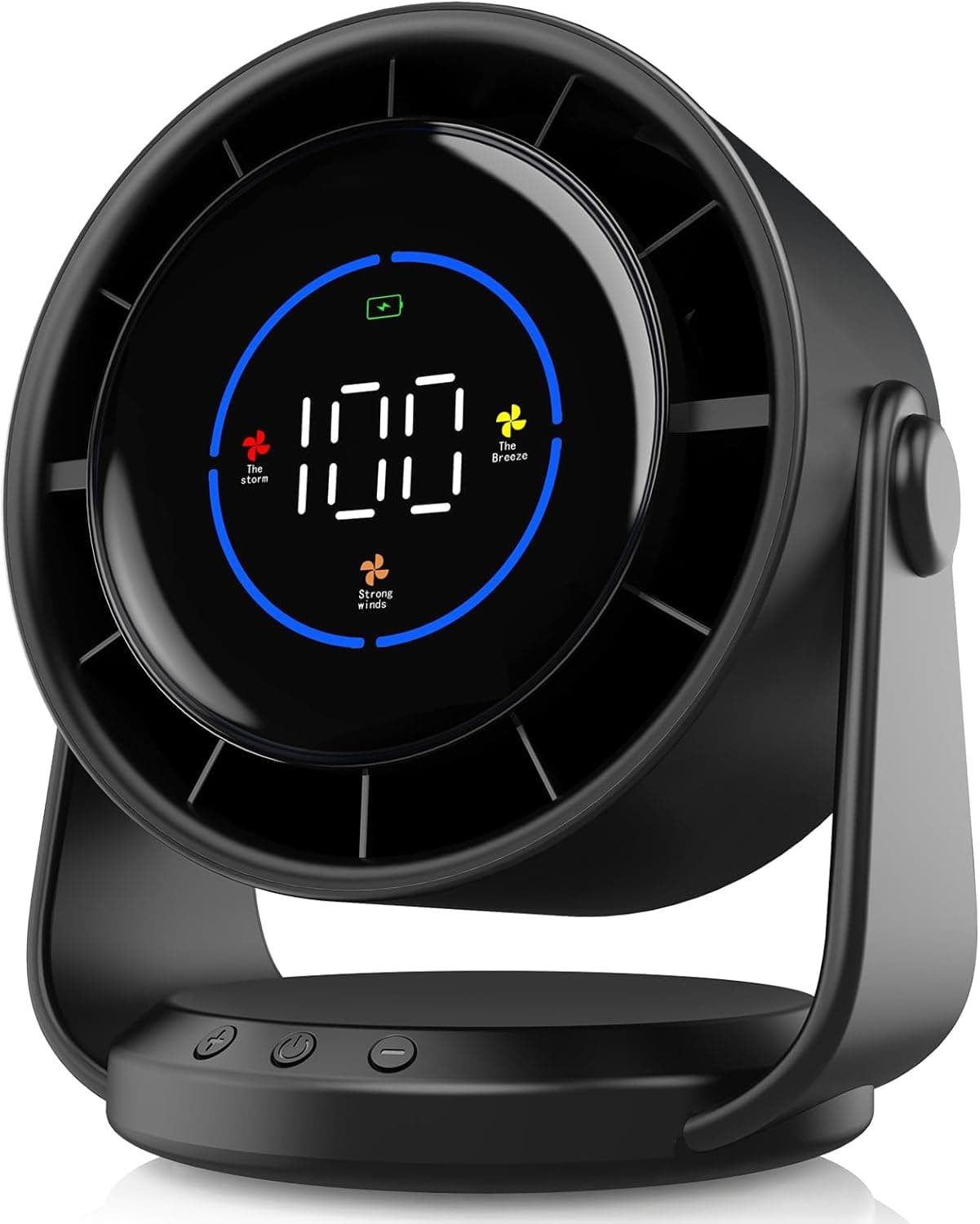
+ 100-Speed control allows extremely fine airflow adjustment
From our guide: Best Cooling Desk Fans for Bedroom
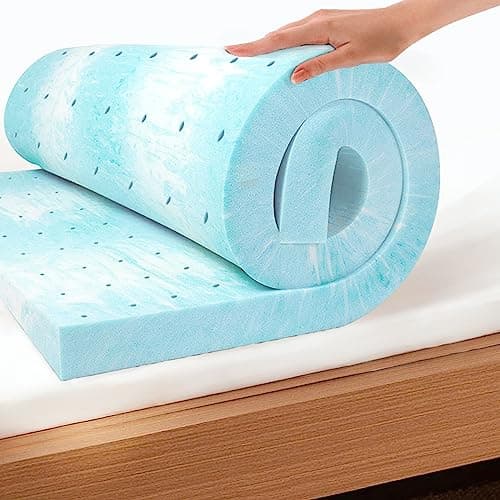
+ Gel memory foam with ventilated holes helps heat and humidity cycle out of the sleep surface
From our guide: Best Cooling Gel Pads
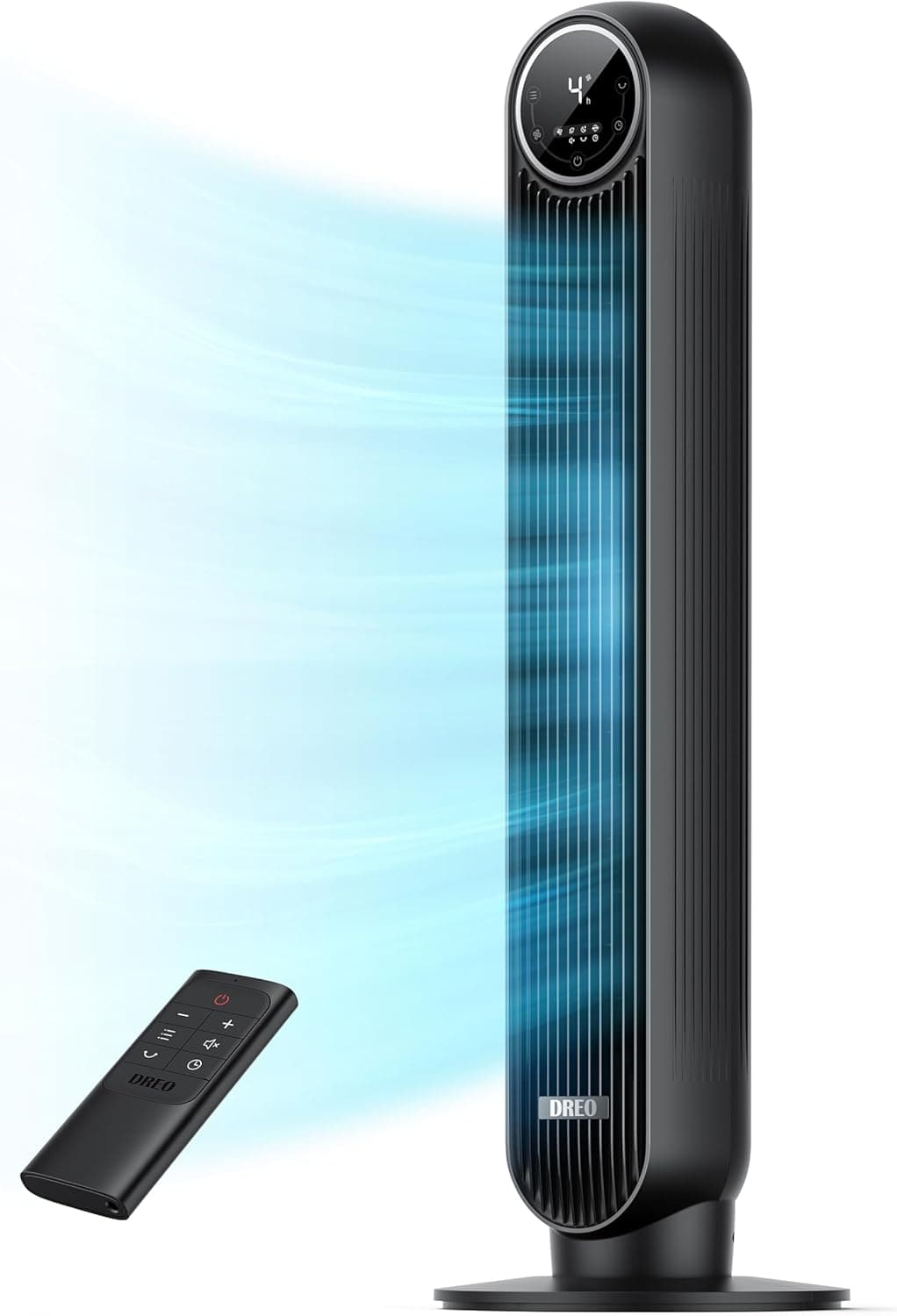
+ 20dB ultra quiet rating suits light sleepers
From our guide: Best Tower Fans for Bedroom
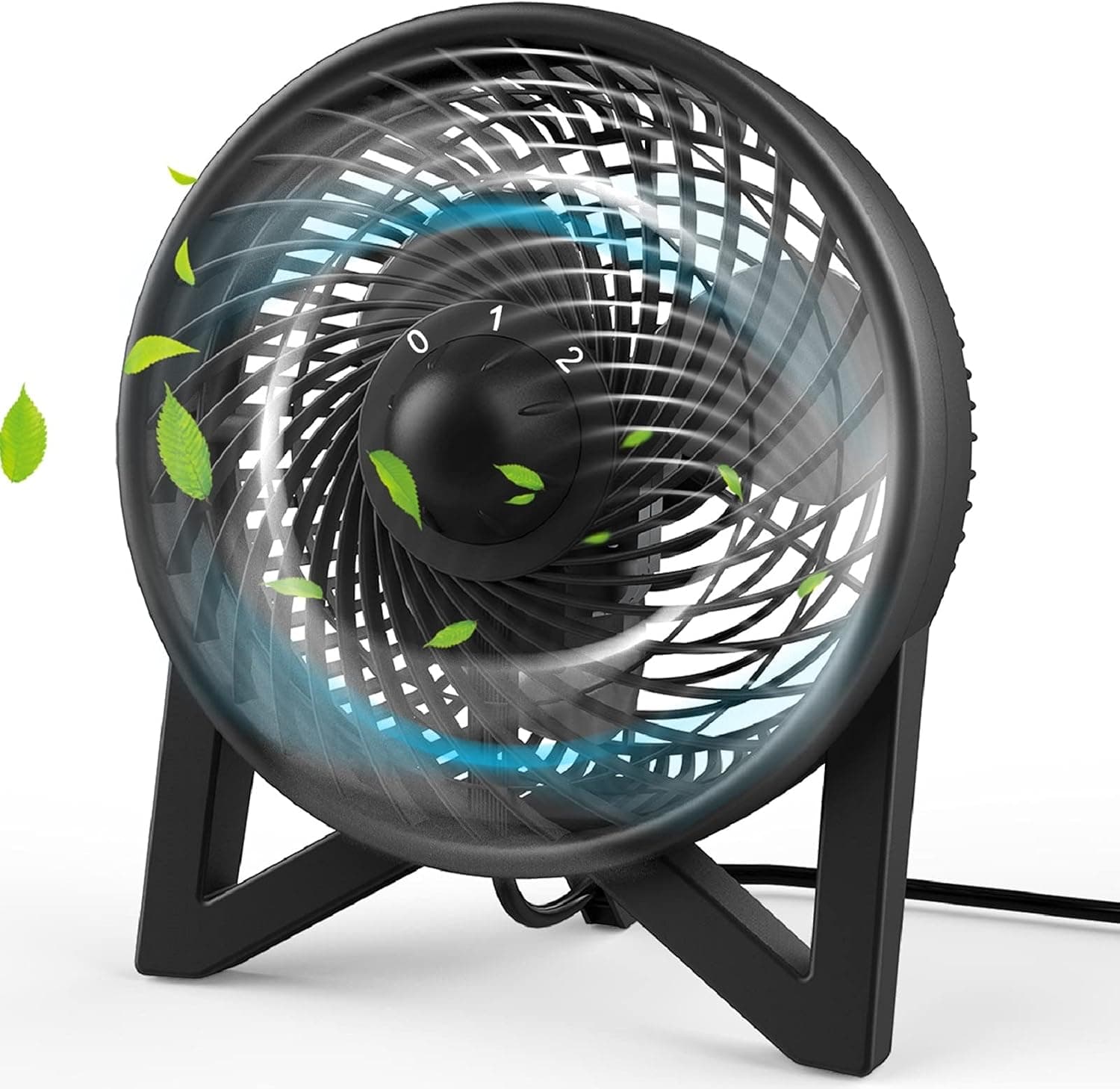
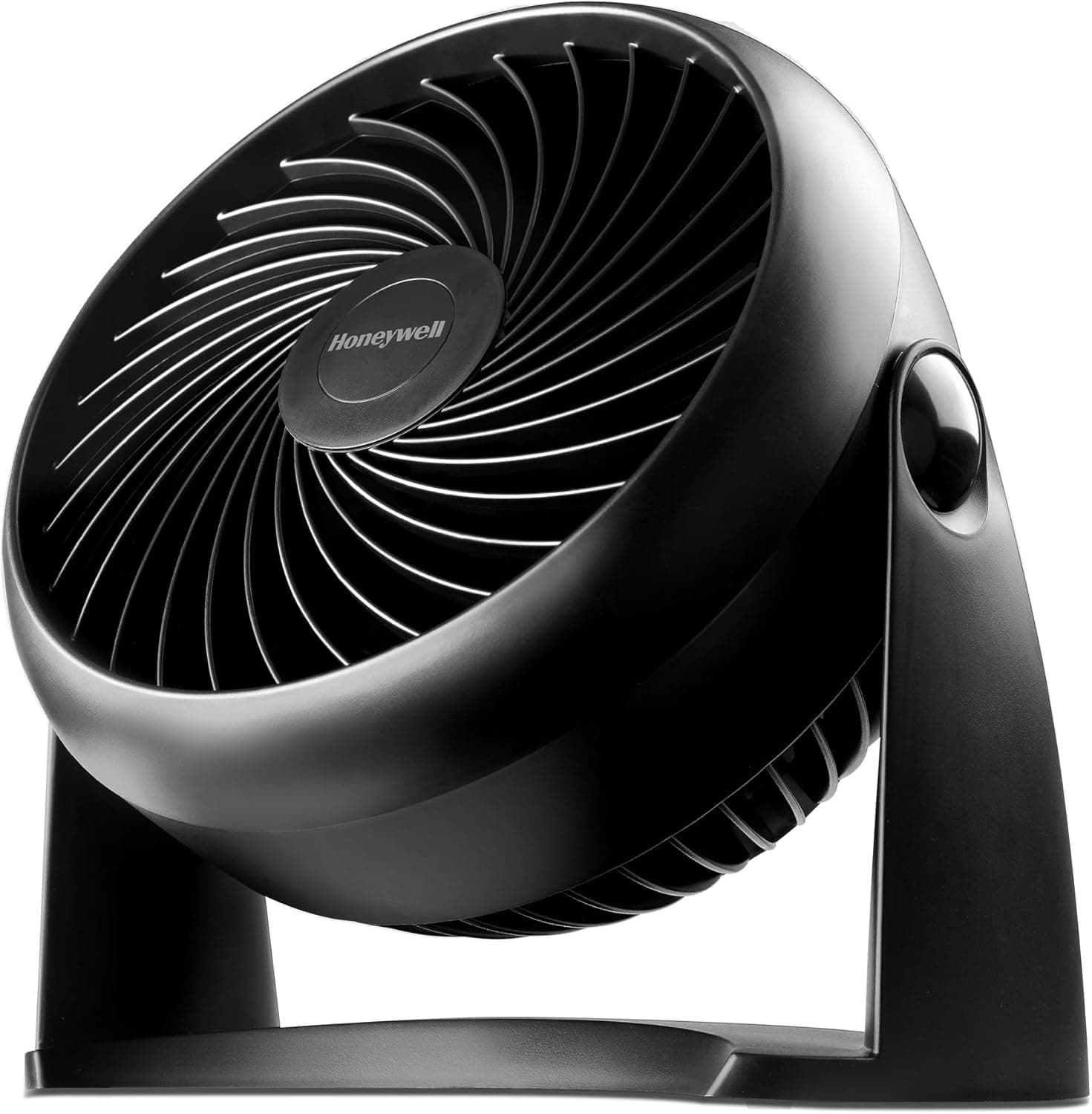
+ TurboForce blades move a surprising amount of air for the size
From our guide: Best Cooling Desk Fans for Bedroom

The mechanism comes down to your circadian rhythm and core body temperature. In the evening your internal thermostat begins lowering your core temperature to prepare for sleep, and this drop continues through the night, reaching its lowest point in the early morning hours. A warm room fights against this process, forcing your body to work harder to offload heat. When the room is cool, heat flows naturally from your skin into the air, your core temperature falls on schedule, and you slip into deep, restorative sleep more easily.
Temperature also shapes the architecture of your sleep, not just how fast you drift off. Overheating fragments sleep by pulling you out of slow-wave and REM stages, the phases most responsible for physical recovery and memory consolidation. Studies of people sleeping in warm environments consistently show more awakenings, less deep sleep, and reduced REM. This is why a hot night leaves you groggy even if you technically spent eight hours in bed. Cooler rooms protect the sleep stages that make those hours count.
The right number is not identical for everyone, so treat the range as a starting point rather than a rule. Older adults sometimes prefer the warmer end because circulation and temperature regulation change with age. Babies and young children do well around 18 to 20 degrees, since they cannot regulate their temperature as efficiently and can overheat quickly. Couples often disagree, in which case the person who runs hot should win the thermostat argument and the person who runs cold should add layers, because it is far easier to warm up under a blanket than to cool down in a hot room.
Hitting the target temperature does not always require air conditioning. In cooler climates, simply lowering the thermostat at night and cracking a window can be enough. A fan helps enormously because moving air makes a room feel two to three degrees cooler than the thermometer reads, thanks to evaporation from your skin. In hot climates, combine air conditioning or a fan with blackout curtains that block daytime heat, and avoid running heat-generating electronics in the bedroom. Even a hot water bottle removed just before sleep or a cooling gel pad can nudge your microclimate in the right direction.
Humidity matters as much as the raw temperature, and it is easy to overlook. A room at 19 degrees with very high humidity can feel warmer and stickier than a slightly hotter but drier room, because moist air prevents sweat from evaporating. Aim to keep bedroom humidity between 40 and 60 percent. A dehumidifier in muggy climates or a humidifier in very dry ones both improve comfort and help your body regulate temperature the way it is designed to.
The practical takeaway is to set your bedroom cooler than feels obvious, somewhere in the mid to high teens Celsius, and adjust from there based on how you sleep. Track it for a week with a cheap thermometer, note which nights you slept best, and fine tune. Getting the temperature right is one of the cheapest and most effective upgrades you can make to your sleep, and unlike a new mattress it costs almost nothing to test.
Popular right now
- Best Standing Fan Placement in a BedroomArticle
- Bed cooling system explainedGlossary
- Cooling Sheet Fabrics ComparedArticle
- Best Portable AC for BedroomBuying guide
- Humidity and SleepArticle
- Buckwheat hull pillow explainedGlossary
Based on the last 28 days of search and visitor data.