What to Wear to Bed During Hot Flashes and Night Sweats
Published How we research
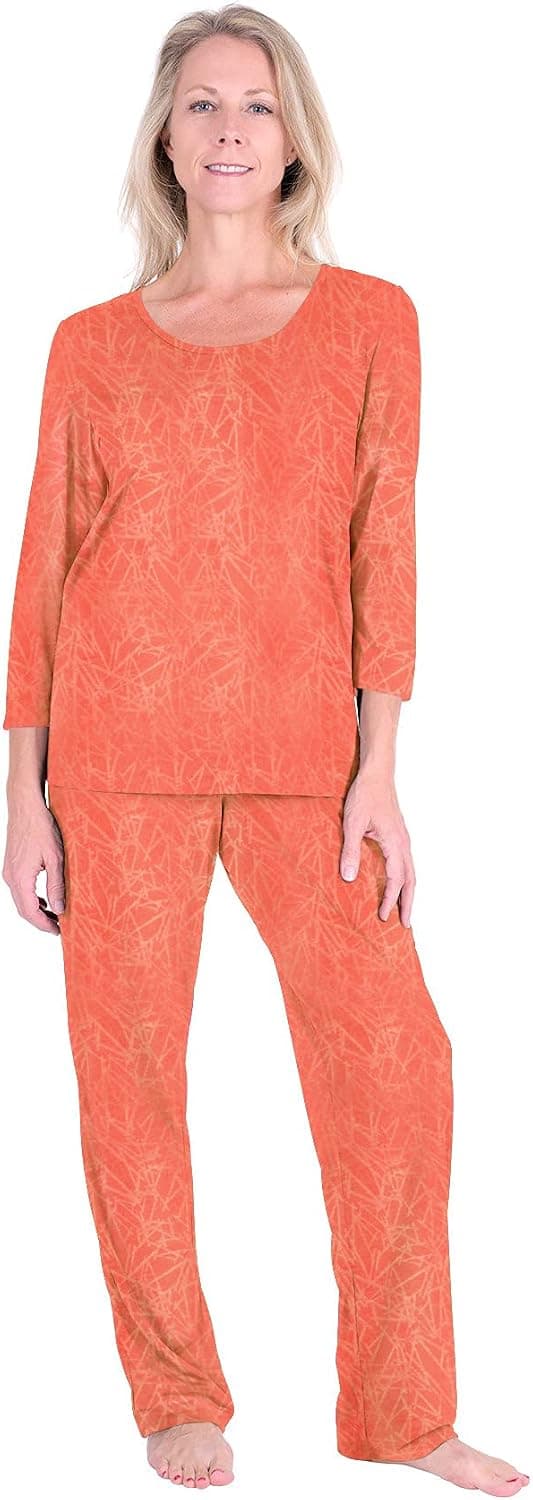
The best pajamas for hot flashes and night sweats are loose, lightweight and made from fabric that either breathes or wicks moisture, such as lyocell, bamboo viscose, thin cotton or a technical wicking knit. Avoid snug fits and heavy fleece or flannel, which trap heat and stay damp. This guide covers the fabrics, cuts and layering tricks that make the biggest difference, and when a nightgown, shorts or a two-piece set is the better choice.
Products from this article
The highest-scoring picks from the buying guides this article links to. Scores are our editorial assessment, not customer ratings.
+ Brand focuses on sweat-free sleepwear, so the fabric is designed around wicking moisture
From our guide: Best Cooling Pajamas for Women Who Sleep Hot (2026)
+ Sleeveless cut keeps arms and shoulders free to release heat
From our guide: Best Cooling Nightgowns for Hot Sleepers (2026 Guide)
+ Quick-dry fabric recovers fast after a sweaty night instead of staying damp
From our guide: Best Cooling Pajamas for Women Who Sleep Hot (2026)
+ Bamboo viscose draws sweat away and feels cool on skin
From our guide: Best Moisture-Wicking Pajamas

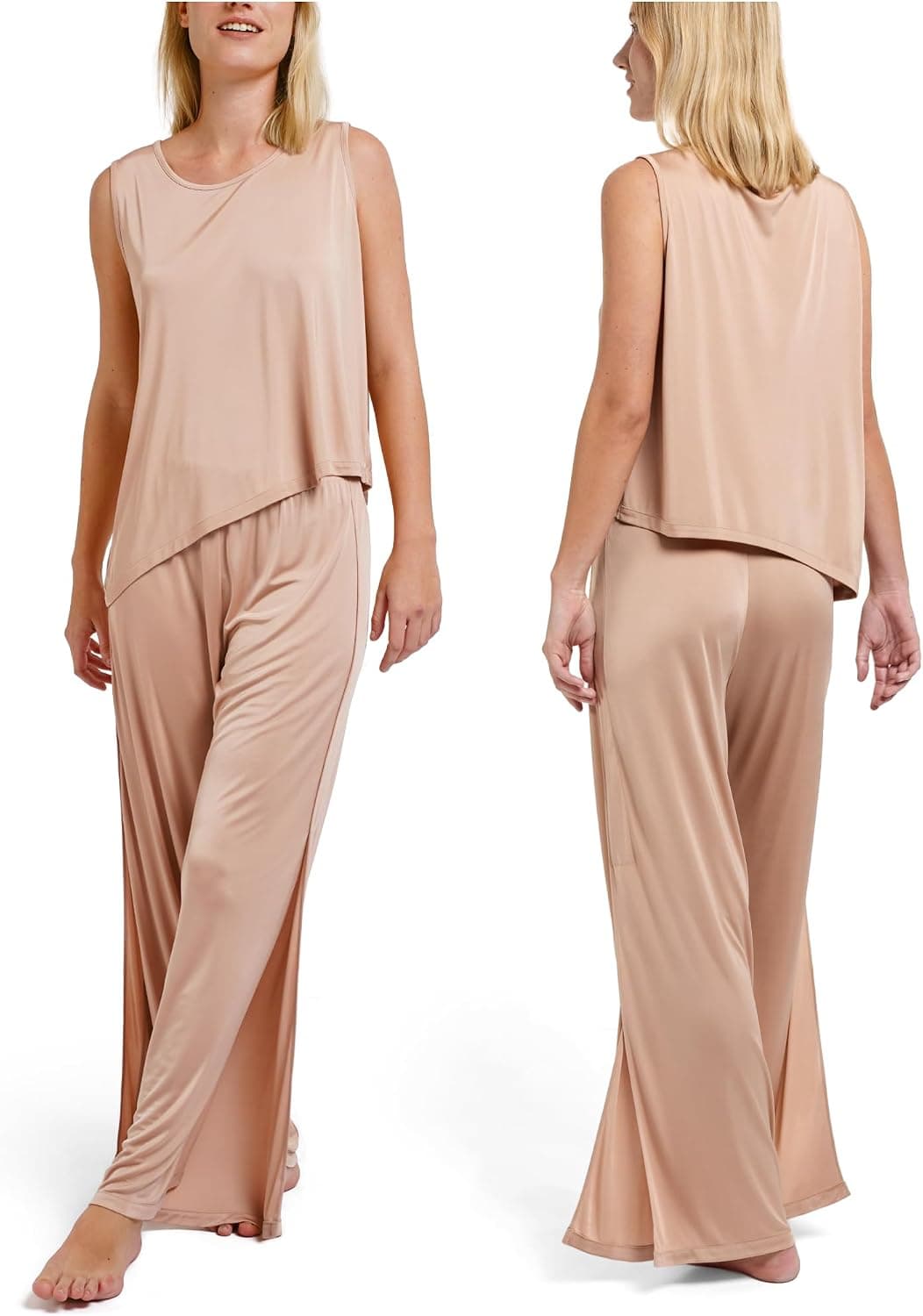
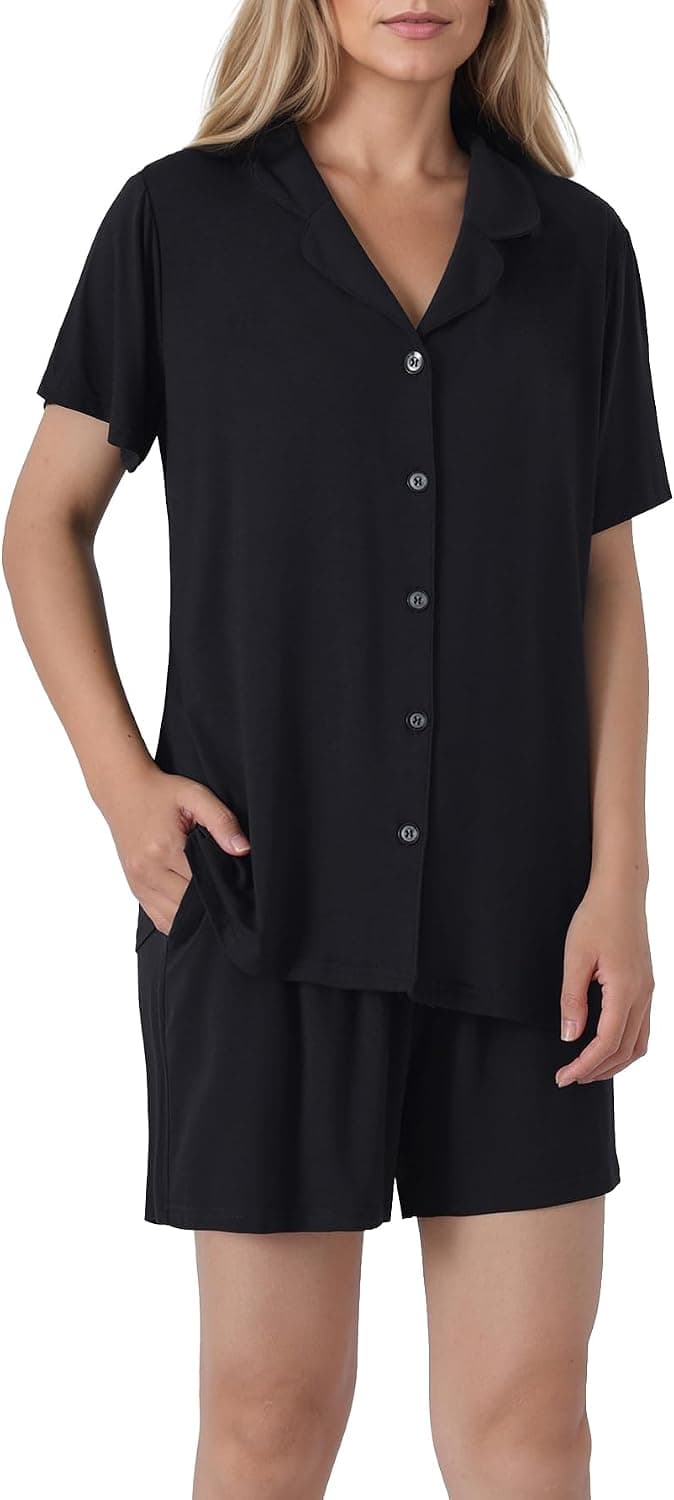
Fabric: breathable versus moisture-wicking
Two different jobs matter when you wake up hot. Breathable fabrics let heat and humidity escape, and moisture-wicking fabrics move sweat off the skin so it can evaporate. Thin cotton, linen and lyocell are mainly breathable. Technical polyester blends and some bamboo viscose knits are designed to wick.
For sudden hot flashes, wicking helps because the damp feeling fades faster and you are less likely to wake chilled after the flash passes. For steady overheating, a light breathable fabric is often enough. Many people end up with one of each and switch based on the night.
Knit structure matters too. A thin single jersey or a loose rib allows more airflow than a thick double knit of the same fiber, and a fabric listed as lightweight is a better sign than a gram weight you cannot compare. If a listing gives a fabric weight, lighter is generally cooler, and a blend with a small amount of spandex is fine as long as the cut stays loose.
Which fabrics work and which to skip
Lyocell and bamboo viscose are smooth, drape loosely and feel cool on contact. Lightweight cotton jersey is familiar and breathable, though it holds moisture longer than wicking knits. Linen is very airy but can feel rough. Silk feels cool but can be warm once soaked and needs careful washing.
Skip fleece, flannel, heavy brushed cotton and tight synthetic satin. These trap heat against the body or cling when damp. Also be wary of thick waistbands and tight cuffs, which hold warmth in at the points where you already feel it most.
Blends are common and not a problem on their own. Bamboo viscose or lyocell blended with a little spandex keeps the drape and adds stretch, while cotton blended with polyester wicks better than pure cotton but breathes less. Read the fiber list rather than the marketing name, because bamboo on a label usually means viscose made from bamboo pulp, and the finish varies a lot between makers.
Cut and fit: loose beats snug
A relaxed fit lets air circulate between the fabric and your skin, and it is easier to peel off in the middle of a flash. Look for wide sleeves or sleeveless tops, a loose neckline and a straight or wide leg. A smooth, flat seam also matters, since seams can chafe once the fabric is damp.
Size up if a brand cuts close. Stretch is useful for comfort, but a very stretchy, body-hugging pajama behaves like a second skin and holds heat. If you are between sizes, choose the larger one.
Color has a small effect. Dark colors and busy prints hide damp patches better, which some people prefer when changing is not practical, while light colors show moisture but feel less heavy. Tags are worth checking too: a scratchy tag at the neck is a nuisance at 3 a.m. when you are already awake and warm, so tagless or soft printed labels are a small comfort win.
Nightgown, shorts or two-piece set
A nightgown has the most airflow, since nothing sits at the waist or between the legs, and it is the easiest to change if you wake damp. The downside is that it can twist up around you and offers less coverage when you throw back the covers.
Sleep shorts with a loose tank or short-sleeve top give coverage without the heat of full-length pants, and a short set is the usual middle ground. Full-length pajamas make sense in a cool bedroom or if you want to stay covered under a fan. Many women choose short bottoms and a light top most of the year.
Layering and having a spare
Because hot flashes come and go, a layer you can remove quickly is more useful than one perfect outfit. A light robe or cardigan beside the bed, a thin top you can pull off, and a spare set within reach all make a damp night easier. Keep the spare folded on a nightstand or the end of the bed.
Pajamas are only one part of the setup. Cotton or lyocell sheets, a lighter blanket and a fan make the biggest difference alongside them. If you often wake soaked, plan to change tops rather than trying to sleep it out.
Wash sleepwear that has absorbed sweat in warm water with a gentle detergent and skip fabric softener, which can coat fibers and reduce how well wicking fabrics move moisture. Dry on low or air dry, since high heat can break down stretch and make knits feel rough over time.
Frequently asked questions
What is the best fabric for pajamas if I have hot flashes? A lightweight lyocell, bamboo viscose or moisture-wicking knit, in a loose cut. Thin cotton is a reasonable budget option.
Are cotton pajamas good for night sweats? Thin cotton breathes well, but it absorbs sweat and dries slowly, so it can feel clammy. A wicking fabric dries faster.
Should I wear anything at all? That is a personal choice. Many people sleep in a light top, a nightgown or loose shorts, with a spare set nearby for changing.
How often should I wash sleepwear? After every one to two nights if you sweat heavily, and always before the fabric starts to hold odor. Follow the care label.
Popular right now
- Best Standing Fan Placement in a BedroomArticle
- Bed cooling system explainedGlossary
- Cooling Sheet Fabrics ComparedArticle
- Best Portable AC for BedroomBuying guide
- Humidity and SleepArticle
- Buckwheat hull pillow explainedGlossary
Based on the last 28 days of search and visitor data.