Sleepwear Fabrics for Hot Sleepers
Published How we research
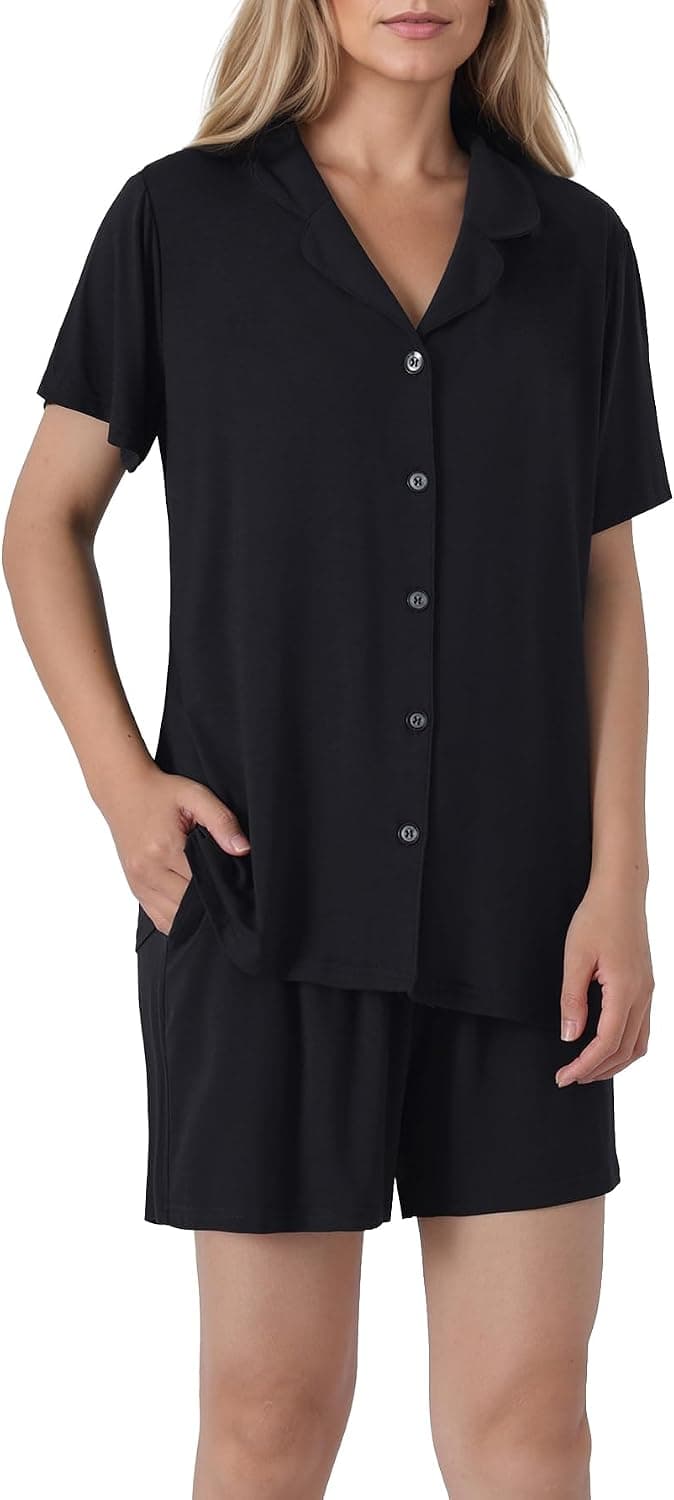
What you wear to bed sits directly against your skin all night, so it has an outsized effect on how hot or cool you feel, yet many people give it almost no thought. The right sleepwear helps your body shed heat and moisture, keeping you dry and comfortable, while the wrong fabric traps warmth and sweat against your skin and leaves you damp and restless. For hot sleepers, choosing sleepwear is as important as choosing sheets, and the principles are similar: prioritize breathability and moisture wicking over softness alone.
Cotton is the classic choice and a solid default. It is breathable, soft, and affordable, and it allows air to circulate against the skin. Its main limitation is that once cotton absorbs a lot of sweat it holds onto that moisture and can feel damp and clammy, which is a problem for heavy sweaters. Lightweight cotton in a loose cut works well for people who sweat moderately, especially in a percale-style weave, but if you soak your clothes at night you may want a fabric that dries faster.
Linen is excellent for the hottest nights. Its loose weave and thick, hollow fibers create outstanding airflow and it can absorb significant moisture before feeling wet, then dries quickly. Linen sleepwear feels breezy and cool and suits humid climates particularly well. The tradeoffs are a wrinkled, relaxed look, a higher price, and a slightly rougher initial feel that softens with washing. For summer and for people who run very hot, linen is hard to beat.
Bamboo viscose and Tencel lyocell have become favorites for a reason. Both are silky smooth, breathable, and strong at wicking moisture, pulling sweat away from the skin and drying faster than cotton so you avoid that clammy feeling. They drape nicely, resist odor better than many fabrics, and feel cool to the touch. Quality matters, since cheap versions can pill or lose their properties, but a good bamboo or Tencel set is one of the most comfortable choices a sweaty sleeper can make.
Merino wool sounds like a strange recommendation for hot sleepers, but fine merino is a genuine temperature regulator. It wicks moisture impressively, resists odor so you can wear it longer between washes, and helps keep you cool when it is warm and warm when it is cool. Lightweight merino sleepwear works surprisingly well for people whose temperature swings during the night, and for travelers who want one versatile layer. It costs more, and some people find any wool slightly itchy, so look for fine-gauge merino specifically designed for next-to-skin wear.
The fabrics to avoid are the synthetics that dominate cheap sleepwear: polyester, nylon, and most satin-look materials. These trap heat, resist airflow, and hold moisture against your skin instead of letting it evaporate, which is the opposite of what a hot sleeper needs. Traditional silk feels luxurious and cool at first but does not wick well, so it turns clammy once you sweat. If a garment is shiny, slippery, and cheap, it is almost certainly working against you at night.
Beyond fabric, fit and coverage make a difference. Loose, relaxed cuts allow air to circulate and heat to escape, while tight elastic waistbands and clingy shapes trap warmth. Some hot sleepers do best in minimal sleepwear or none at all, letting heat radiate freely, while others prefer a thin wicking layer that actively moves sweat away. Experiment with both approaches and with different fabrics across seasons. Once you find a breathable, well-fitting set in a natural or semi-natural fiber, you will notice how much of your nighttime overheating was coming from your clothes all along.
Products from this article
The highest-scoring picks from the buying guides mentioned above. Scores are our editorial assessment, not customer ratings.
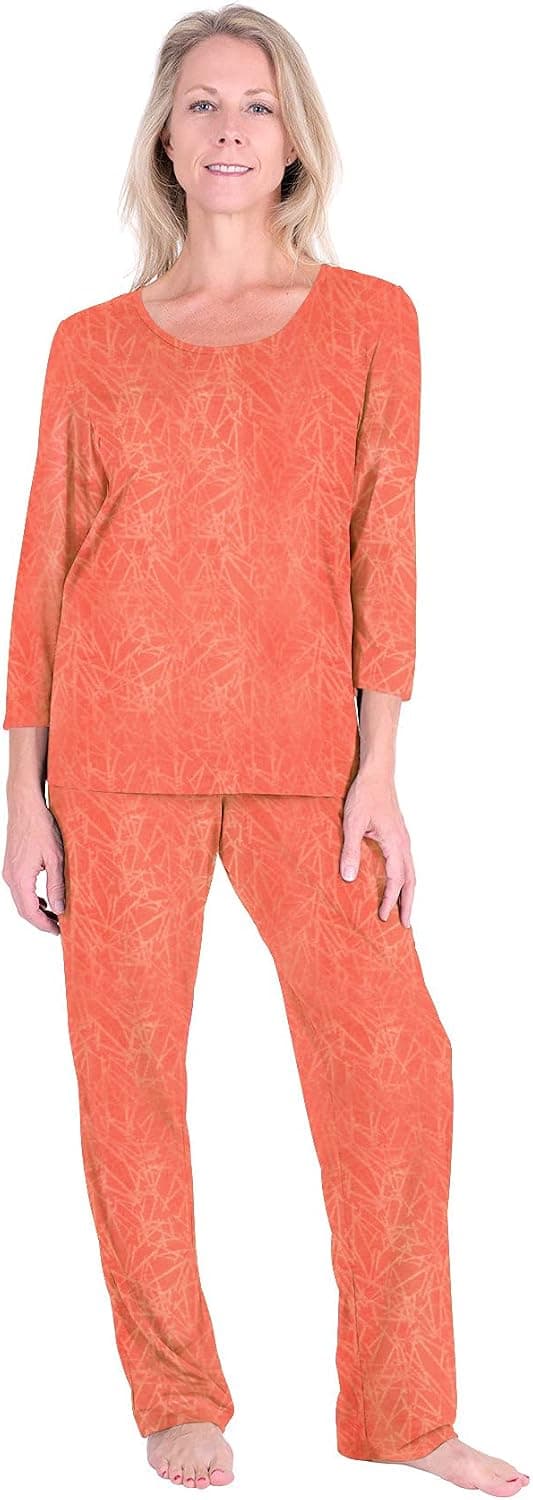
+ Brand focuses on sweat-free sleepwear, so the fabric is designed around wicking moisture
From our guide: Best Moisture-Wicking Pajamas
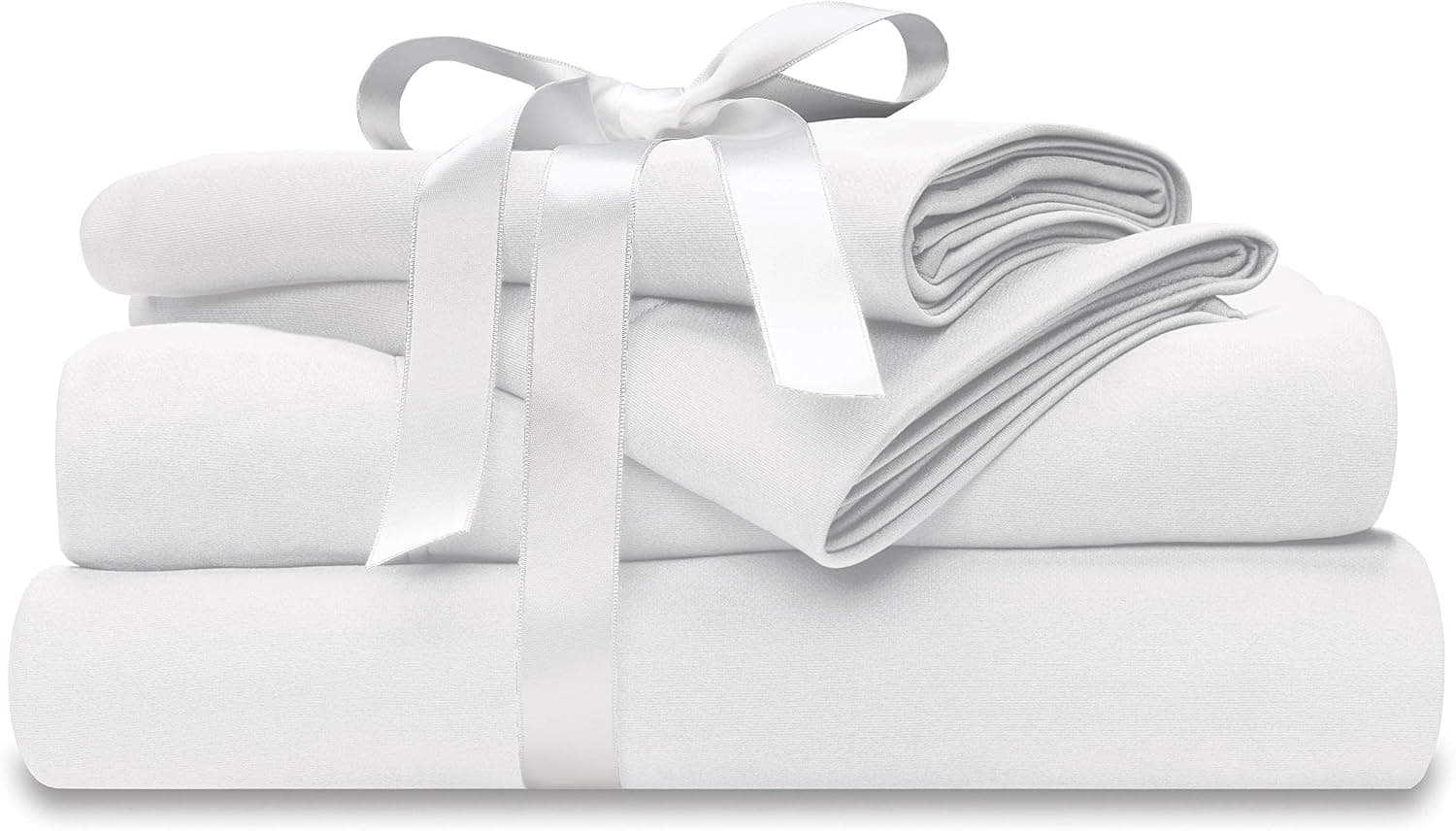
+ Moisture-wicking fabric is the brand's whole focus, aimed at night sweats
From our guide: Best Moisture-Wicking Sheets for Hot Sleepers (2026)
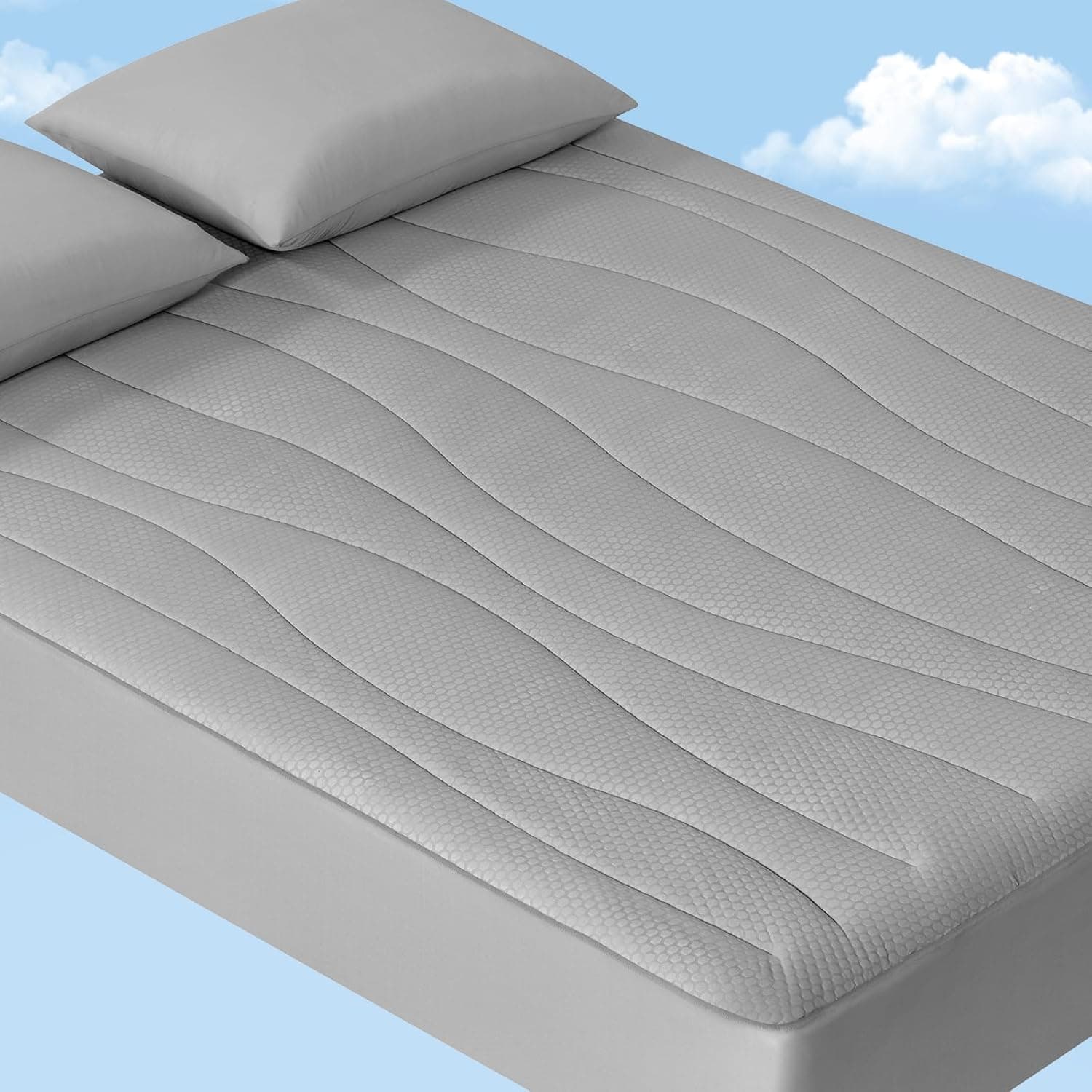
+ PCM layer absorbs heat and adds a second cooling method to Arc-Chill
From our guide: Best Cooling Mattress Pads
+ Bamboo viscose draws sweat away and feels cool on skin
From our guide: Best Moisture-Wicking Pajamas
Popular right now
- Best Standing Fan Placement in a BedroomArticle
- Cooling Sheet Fabrics ComparedArticle
- Humidity and SleepArticle
- Breathable Mattress Materials for Cooler SleepArticle
- Keeping Kids Cool at NightArticle
- Best Portable AC for BedroomBuying guide
Based on the last 28 days of search and visitor data.