Breathable Mattress Materials for Cooler Sleep
Published How we research
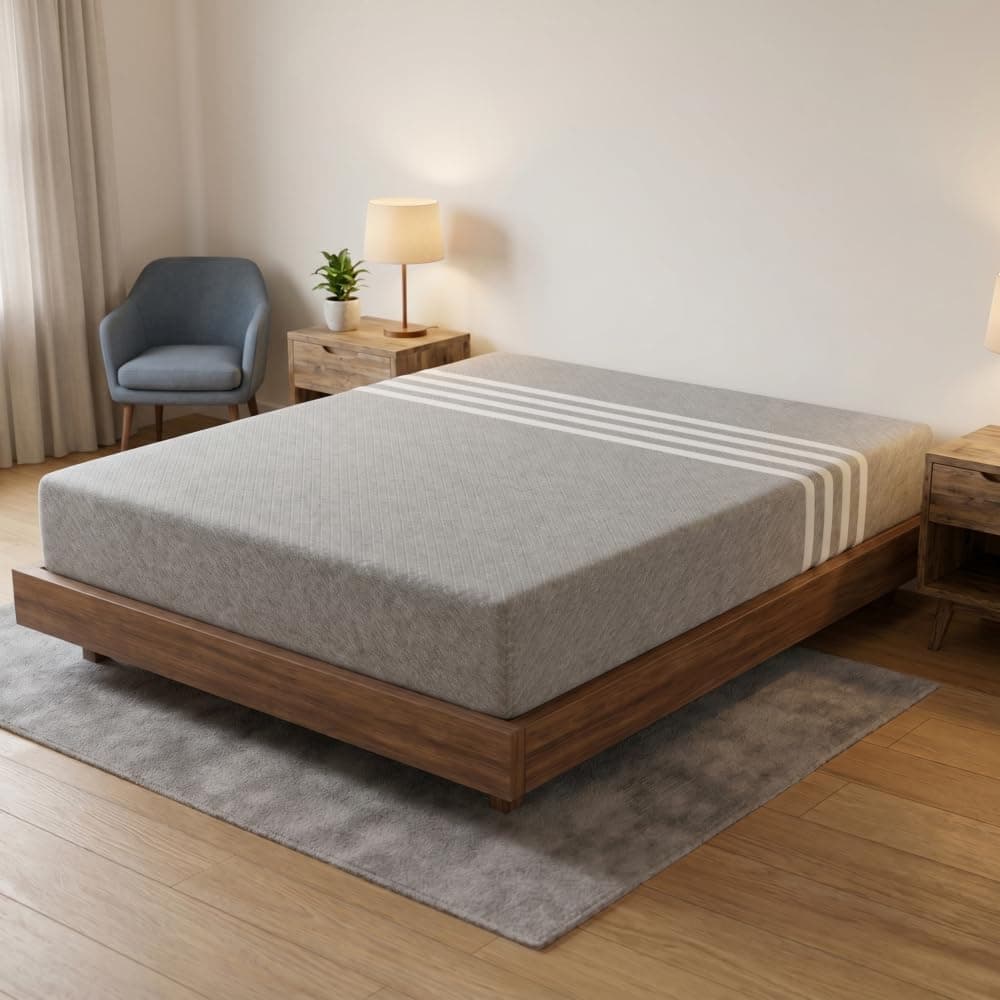
Innerspring and coil mattresses sleep coolest because their open construction lets air circulate freely. Memory foam contours well but traps heat since it hugs the body and cuts off airflow. Latex offers foam-like comfort with far better breathability thanks to its more open structure and aerated design. Hybrids combine a breathable coil core with foam or latex comfort layers, generally sleeping cooler than all-foam beds. The cover and comfort layers matter too, so prioritize coils or latex over dense memory foam and check the top materials, not just the core. The mattress is the largest piece of your sleep setup and one of the biggest influences on how hot you sleep, yet it is also the hardest and most expensive to change. Some materials allow air to flow through and carry heat away, while others act like insulation, trapping the warmth your body produces all night. If you sleep hot, understanding how different mattress constructions handle heat helps you either choose a better mattress or work around the one you have. The core issue is airflow: mattresses that breathe sleep cooler, and those that hug your body tightly sleep warmer.
Innerspring and coils: the traditional coolest option
Innerspring and coil mattresses are traditionally the coolest option because their construction is mostly open space. The coil layer allows air to circulate freely throughout the mattress, continuously moving heat and moisture away from your body. This natural ventilation is why many hot sleepers gravitate back to a good innerspring or a coil-based bed. The tradeoff is that traditional innersprings offer less pressure relief and motion isolation than foam, and cheaper ones can feel bouncy or wear unevenly, but on temperature alone coils are hard to beat.
Memory foam: comfort at the cost of airflow
Memory foam sits at the opposite end. It is prized for pressure relief and the way it contours to your body, but that same contouring is the problem for hot sleepers: the foam wraps around you, cutting off airflow around your skin, and dense foam retains the heat it absorbs. Manufacturers try to counter this with gel infusions, open-cell foam structures, and ventilation channels, which help to varying degrees but rarely make solid memory foam as cool as coils or latex. If you love the feel of memory foam but sleep hot, look specifically for open-cell or heavily gel-infused versions, and pair them with breathable bedding.
Latex: the sweet spot for foam-like cooling
Latex is often the sweet spot for people who want the cushioning of foam without the heat. Natural latex has an inherently more open structure than memory foam, and most latex mattresses include a pinhole or aerated design that allows air to move through the material. The result is a responsive, supportive surface that breathes far better than memory foam while still relieving pressure. Latex tends to cost more and feels bouncier than memory foam, but for hot sleepers who want foam-like comfort and cool sleep, it is frequently the best compromise.
Hybrids combine both worlds
Hybrid mattresses aim to combine the best of both worlds and have become the popular default for good reason. A hybrid pairs a coil support core, which provides airflow and breathability, with comfort layers of foam or latex on top for pressure relief. Because the coil core keeps air moving, hybrids generally sleep cooler than all-foam beds while still offering the contouring many people want. The comfort layer material matters, so a hybrid topped with latex or gel foam and a breathable cover will sleep cooler than one topped with thick, dense memory foam.
The cover and comfort layers matter too
The cover and comfort layers on top of the core deserve attention because they are the surface closest to your body. A breathable cover in cotton or a moisture-wicking knit lets heat escape, while a thick, quilted synthetic cover can trap it. Some mattresses use phase-change materials in the cover to draw heat away initially. When comparing mattresses, do not just look at the core type; consider the full stack of materials between you and the springs, since a breathable core can be undermined by a heat-trapping top layer.
What to do if you're not replacing your mattress
If replacing your mattress is not realistic, you can still improve airflow and cooling. A breathable or latex mattress topper can add a cooler surface over a hot foam bed, a slatted or ventilated bed base improves airflow underneath, and breathable sheets and a moisture-wicking protector make a noticeable difference. But when you are ready to buy, prioritize coils or latex over dense memory foam, favor hybrids if you want contouring with airflow, and check the cover material. The right mattress construction sets the temperature baseline for every night you sleep on it for the next decade.
Frequently asked questions
What is the coolest type of mattress? Innerspring and coil mattresses are traditionally the coolest because their construction is mostly open space, letting air circulate freely and carry heat and moisture away.
Why does memory foam sleep hot? Memory foam contours tightly around your body, which cuts off airflow around your skin, and the dense foam retains the heat it absorbs rather than releasing it.
Is latex cooler than memory foam? Yes. Latex has a more open structure and often a pinhole or aerated design that lets air move through, giving foam-like pressure relief with much better breathability.
Do hybrid mattresses sleep cool? Generally yes, because the coil support core keeps air moving even though comfort layers of foam or latex sit on top. The comfort layer material still matters, so a latex or gel-foam top sleeps cooler than dense memory foam.
Products from this article
The highest-scoring picks from the buying guides mentioned above. Scores are our editorial assessment, not customer ratings.
+ 3 firmness options let you pick the feel that suits your sleep position
From our guide: Best Cooling Mattress for Hot Sleepers (2026 Picks)
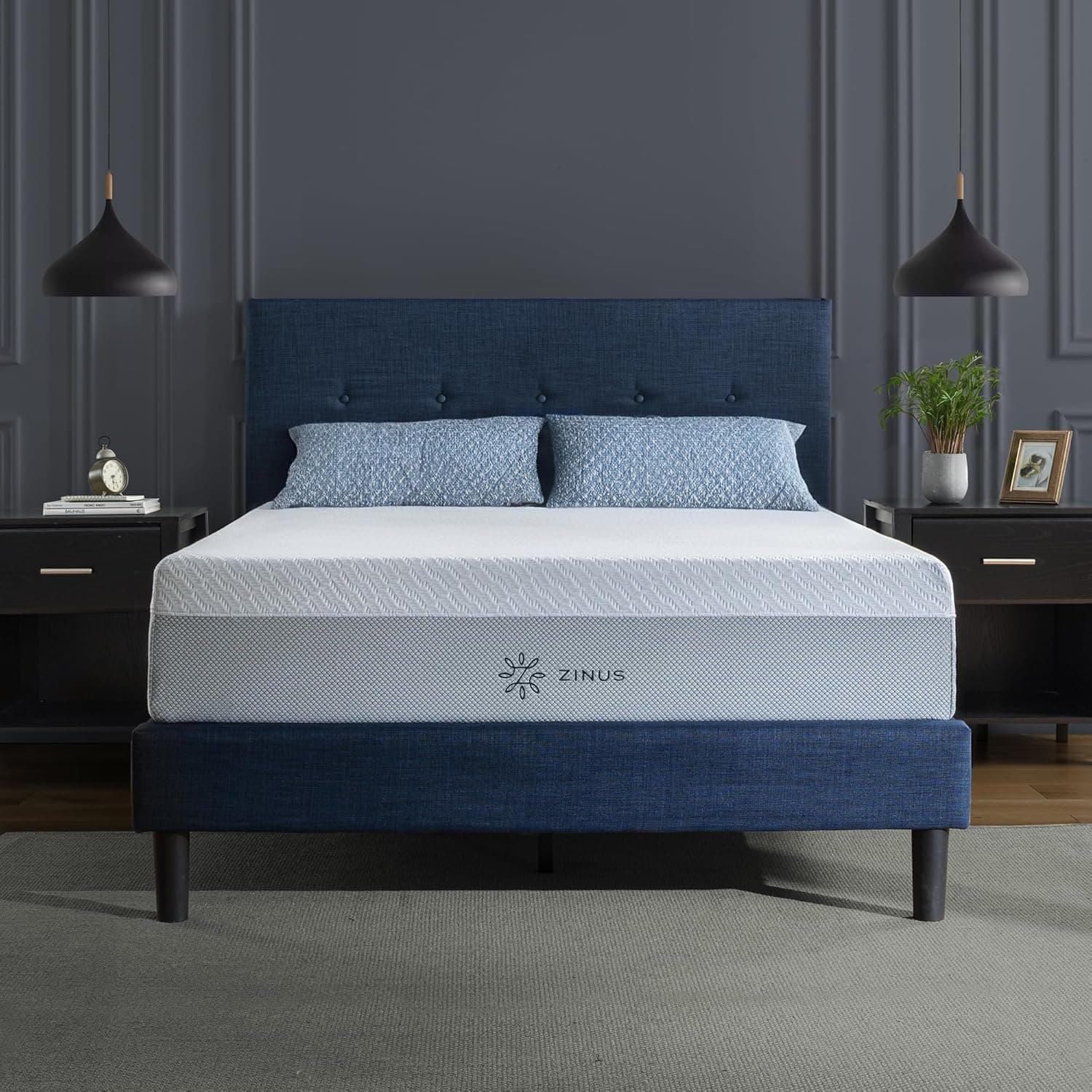
+ QUADCOOL design stacks several cooling features into one foam mattress
From our guide: Best Cooling Mattresses
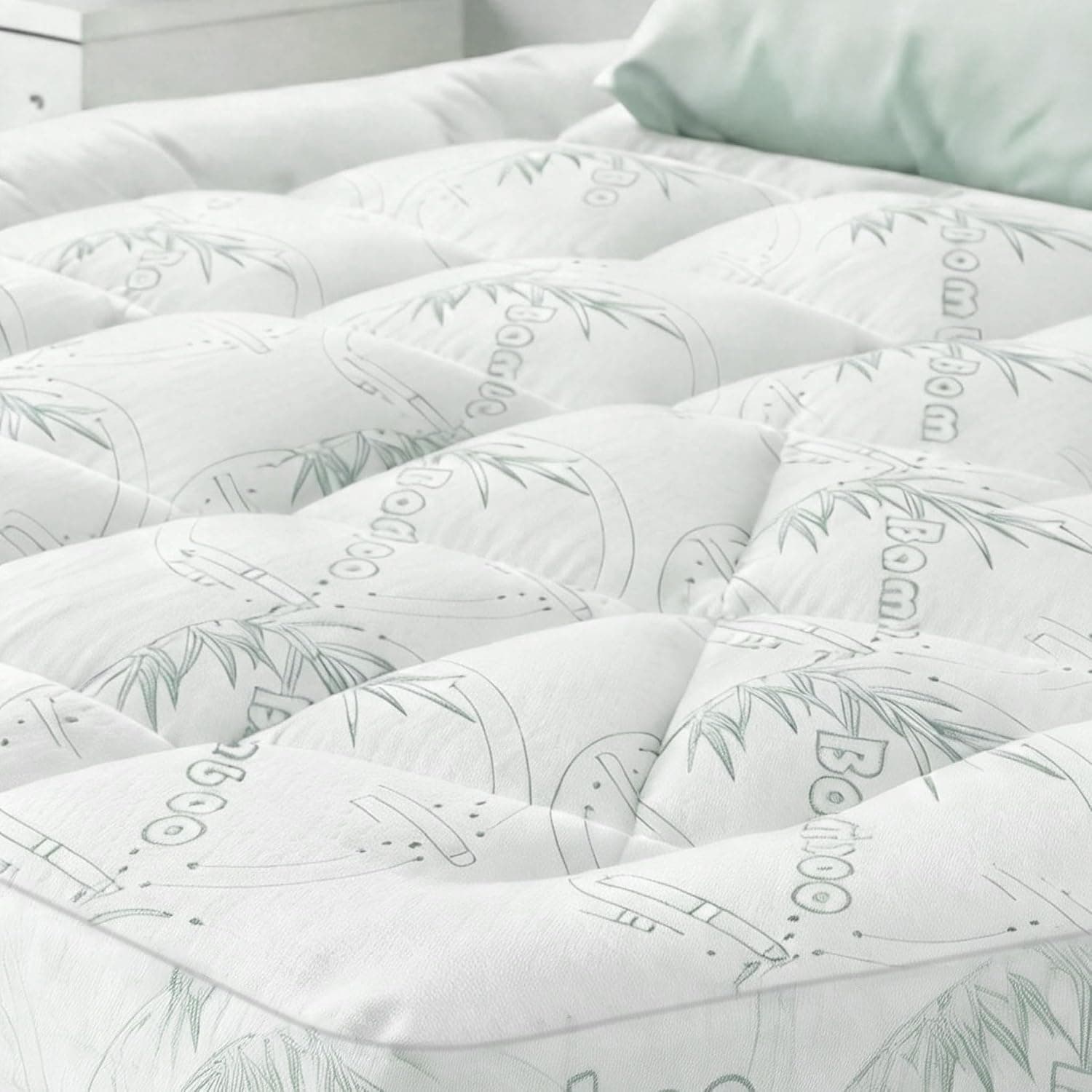
+ 1700 GSM fill is heavy and plush for real cushioning
From our guide: Best Cooling Mattress Toppers for Side Sleepers
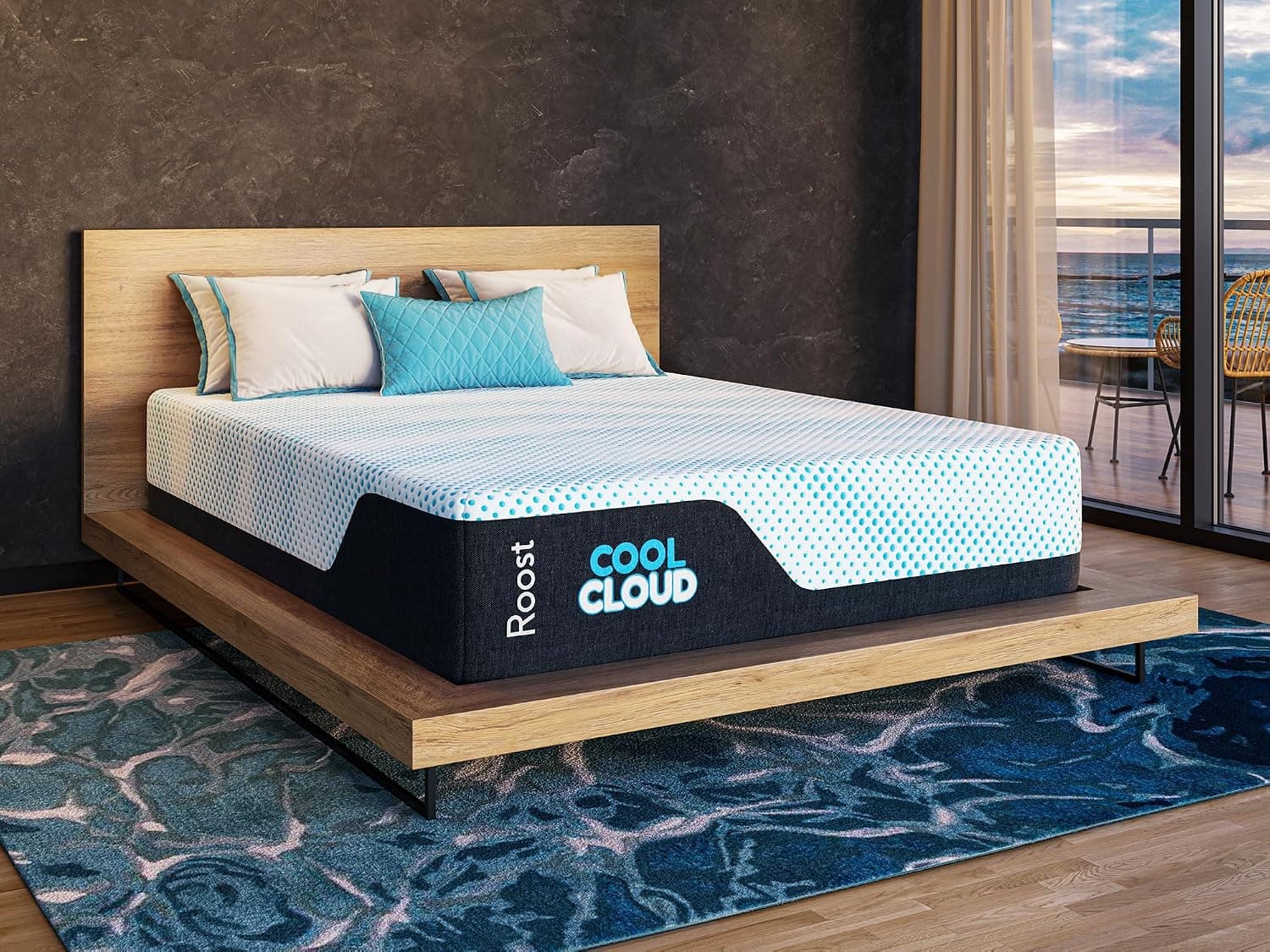
+ Medium feel supports the lower back while still cushioning joints
From our guide: Best Cooling Mattress for Hot Sleepers (2026 Picks)
Popular right now
- Best Standing Fan Placement in a BedroomArticle
- Cooling Sheet Fabrics ComparedArticle
- Humidity and SleepArticle
- Keeping Kids Cool at NightArticle
- Best Portable AC for BedroomBuying guide
- Active Bed Cooling SystemsArticle
Based on the last 28 days of search and visitor data.