Cooling Sleep Tips for Summer Without AC
Published How we research
Sleeping through a hot summer night without air conditioning is a challenge, but it is far from hopeless. With a mix of smart timing, airflow, and cooler bedding, you can bring the temperature of your sleep experience down even when the room stays warm. The trick is stacking several small wins together.
Start during the day by keeping heat out. Close blinds or curtains on sun-facing windows in the afternoon so the room does not bake while you are away. Blackout curtains help block both light and radiant heat, keeping the bedroom cooler by the time evening arrives.
Time your ventilation with the outdoor temperature. When the air outside finally drops below the indoor temperature in the evening or early morning, open windows and use fans to pull cooler air through. Closing everything up again before the day heats back up traps that cooler air inside.
Airflow is your best friend without AC. Set up a cross breeze with fans, and consider placing a shallow pan of ice in front of a fan for a bit of extra chill. Moving air over your skin helps sweat evaporate, which is how your body cools itself naturally.
Rethink your bedding for the season. Swap heavy or synthetic sheets for breathable fibers like linen, cotton percale, or lyocell, and use a light top layer instead of a thick comforter. Breathable, moisture-wicking materials let heat and sweat escape instead of trapping them against you.
Cool your body directly before bed. A lukewarm shower helps your core temperature settle, and some people chill a pillowcase or use a cold pack at pulse points like the wrists, neck, or ankles. Staying hydrated through the day also helps your body regulate heat at night.
Finally, adjust what you wear and where you sleep. Light, loose sleepwear or sleeping with fewer layers keeps you cooler, and heat rises, so a lower floor of the home is often cooler than an upstairs room. Combine these habits and even a warm room becomes much more bearable for sleep.
Products from this article
The highest-scoring picks from the buying guides mentioned above. Scores are our editorial assessment, not customer ratings.
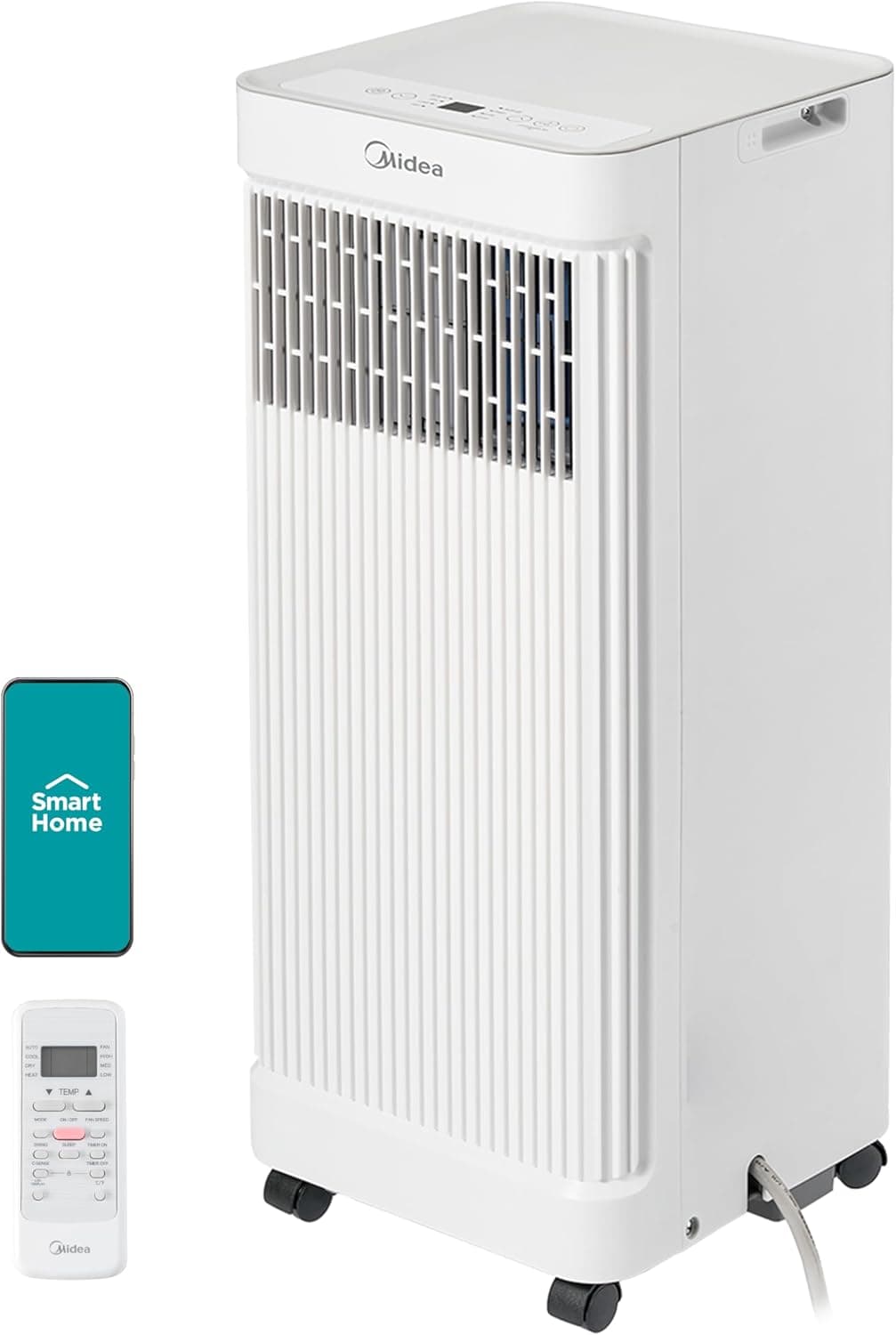
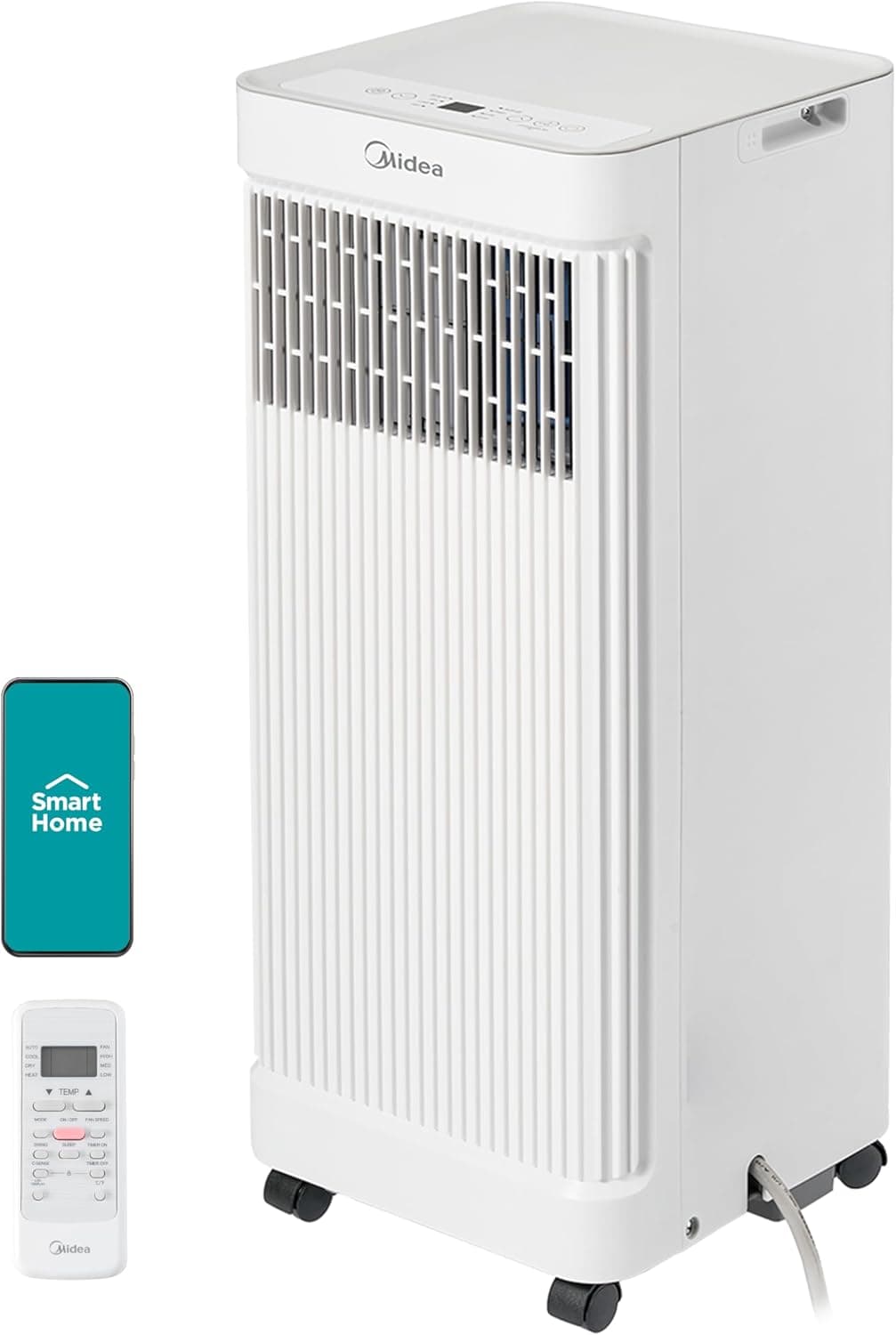
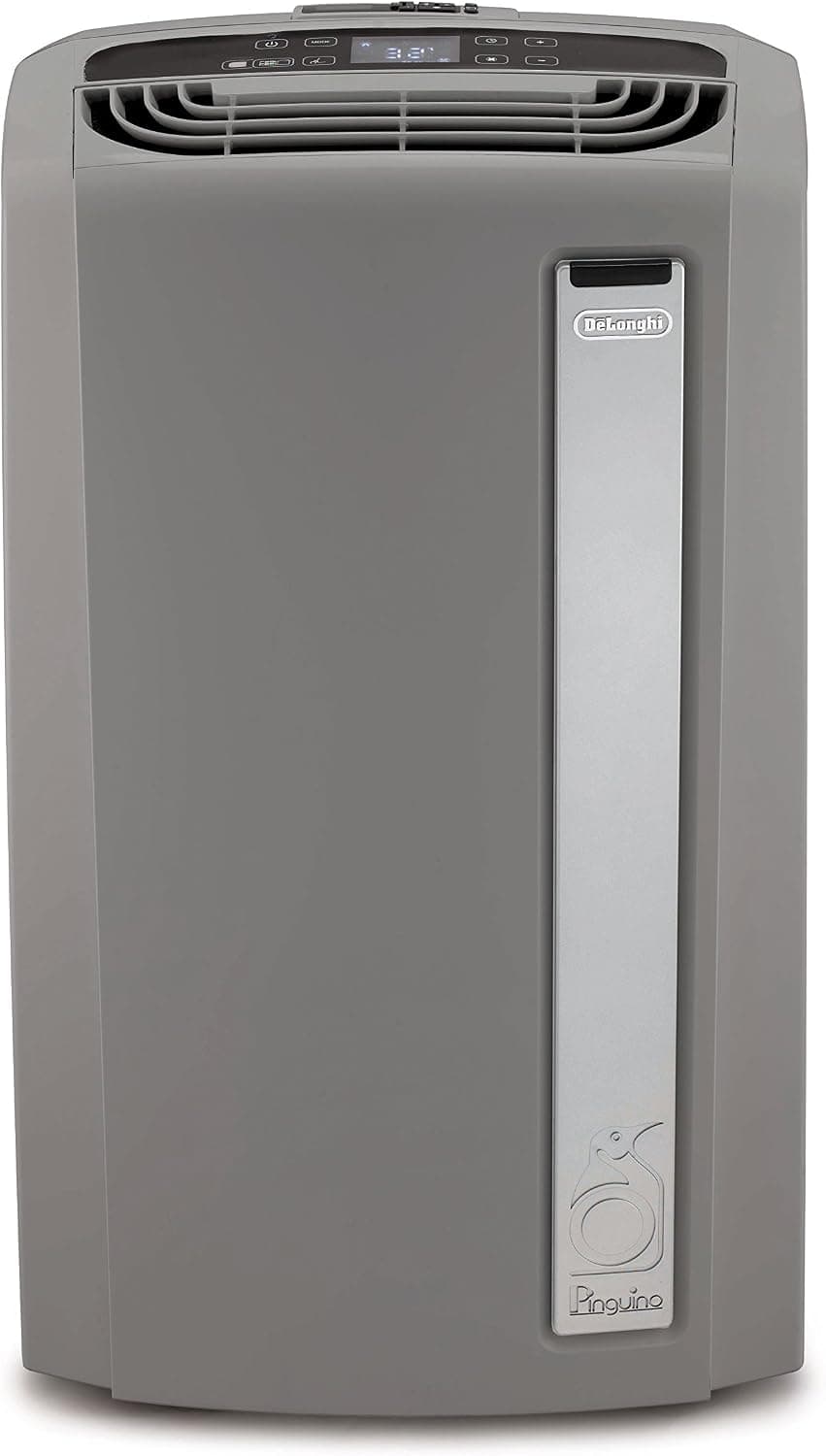
+ 6,000 BTU SACC rating gives more real cooling than smaller units
From our guide: Best Portable AC for Bedroom
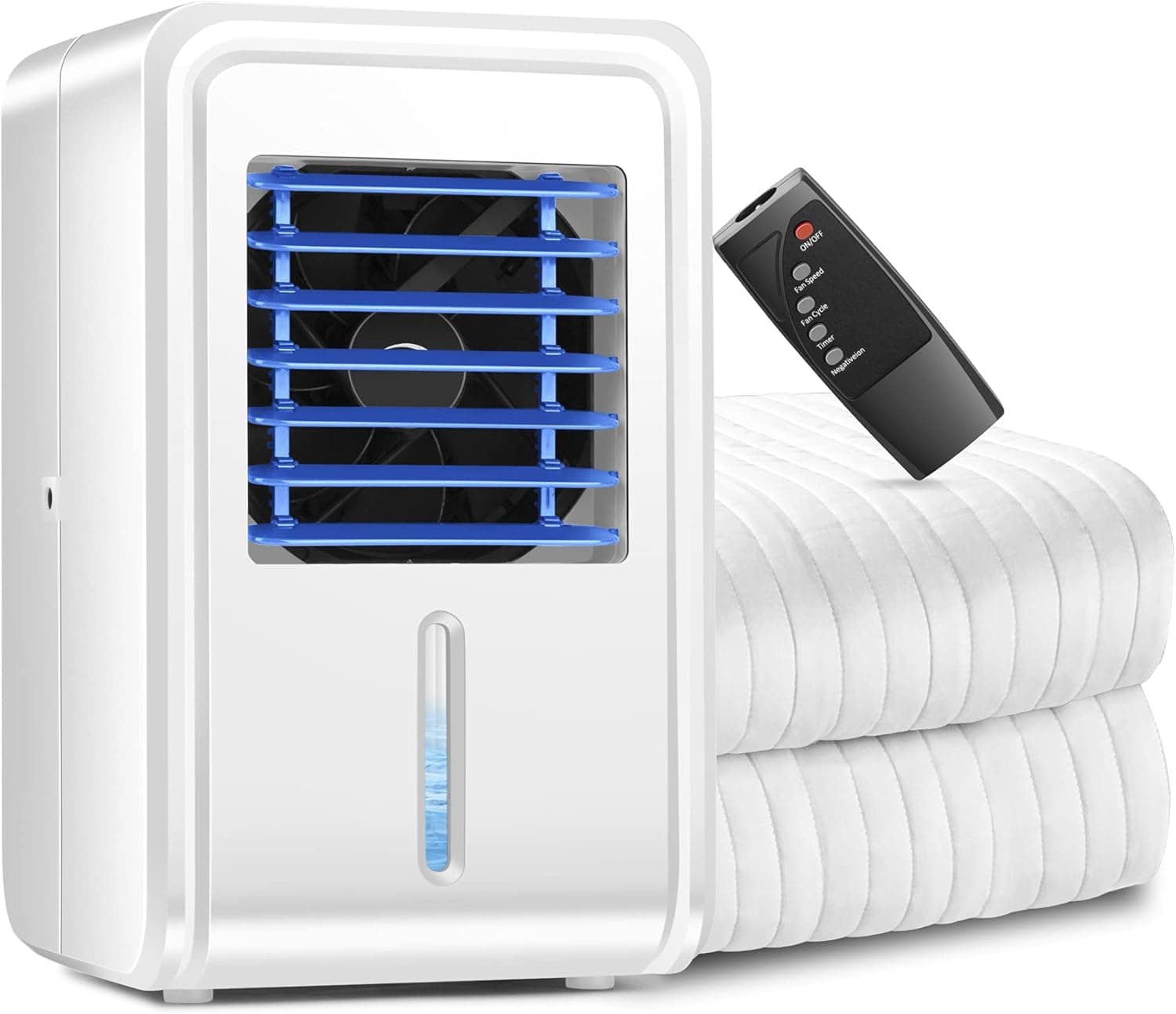
+ 100% cotton surface feels more natural than plastic-feeling pads
From our guide: Best Water Cooling Mattress Pads for Hot Sleepers
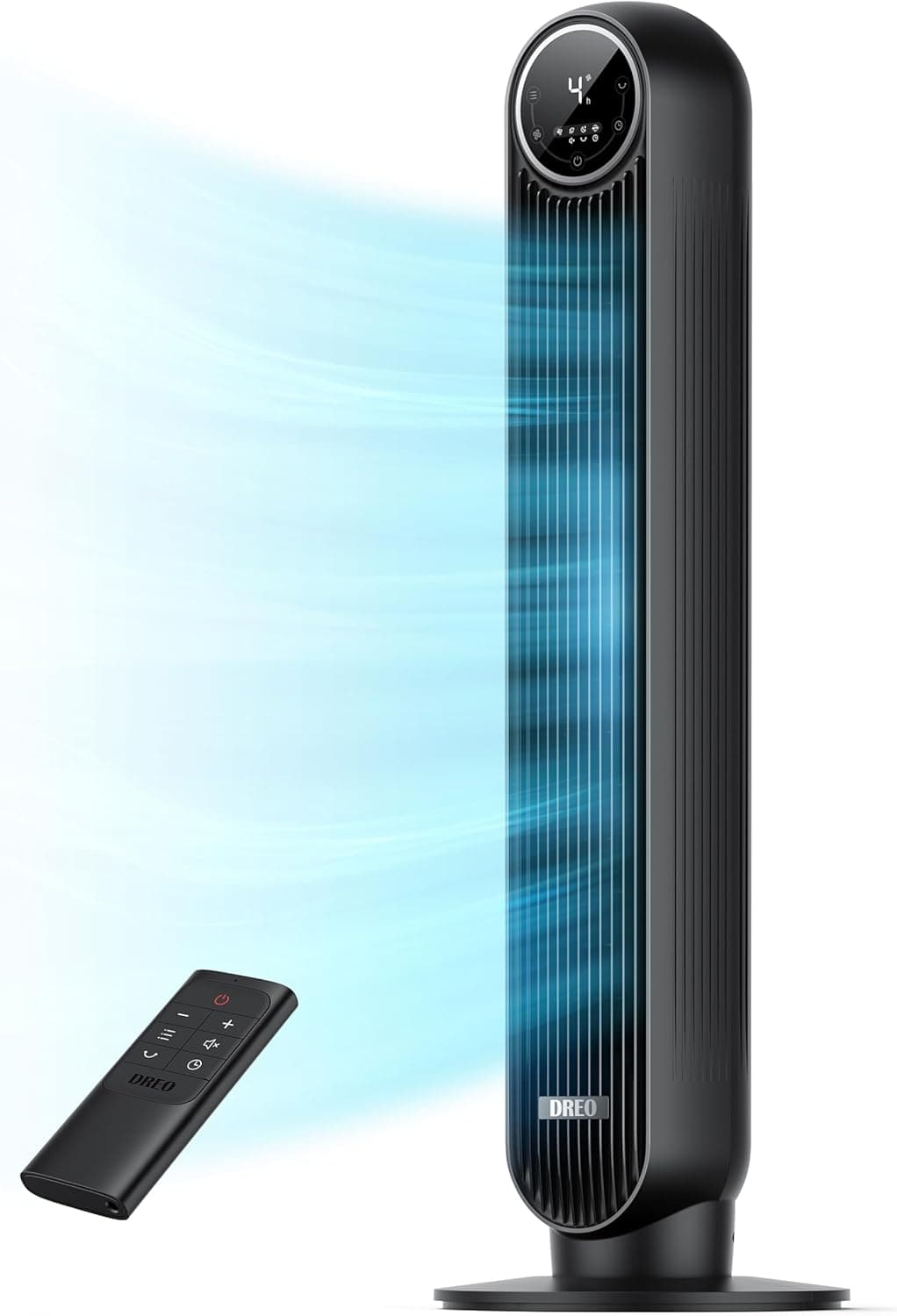
+ 20dB ultra quiet rating suits light sleepers
From our guide: Best Bedroom Cooling Fans
+ Arctic Whisper quiet mode is designed for bedroom use
From our guide: Best Portable AC for Bedroom
Popular right now
- Best Standing Fan Placement in a BedroomArticle
- Cooling Sheet Fabrics ComparedArticle
- Humidity and SleepArticle
- Breathable Mattress Materials for Cooler SleepArticle
- Keeping Kids Cool at NightArticle
- Best Portable AC for BedroomBuying guide
Based on the last 28 days of search and visitor data.