How to Keep a Mattress Cool Without a New Mattress
Published How we research
A mattress that sleeps hot can ruin your night, but replacing it is expensive and not always necessary. Plenty of people run warm because of the layers around and on top of the mattress rather than the mattress itself, and those are much easier and cheaper to change.
Products from this article
The highest-scoring picks from the buying guides this article links to. Scores are our editorial assessment, not customer ratings.
As an Amazon Associate we earn from qualifying purchases. This does not change our picks. Affiliate disclosure
+ Ultra-Cool fabric is designed to feel cool while still blocking liquids
From our guide: Best Cooling Mattress Protectors
+ Arc-Chill 3.0 fiber with a Q-Max rating above 0.5 feels cool the moment it touches skin
From our guide: Best Lightweight Summer Blankets
+ MedCline specializes in positional sleep support products
From our guide: Best Cooling Pillows for Side Sleepers
+ Bamboo viscose top feels soft and cooler than polyester terry
From our guide: Best Cooling Mattress Protectors
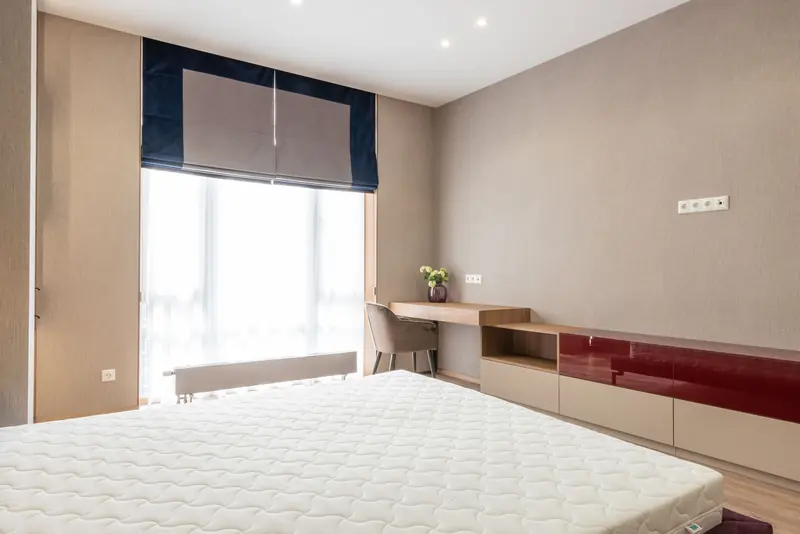
Start with a cooling mattress topper. A breathable topper made from materials designed for airflow, or one with a gel component, sits between you and a heat-trapping surface. It changes the feel of the bed and adds a layer that moves heat away from your body without the cost of a whole new mattress.
A mattress protector can help or hurt depending on the type. Many waterproof protectors use plastic backings that trap heat and sweat. Look for a protector labeled breathable or one made with moisture-wicking fabric so you keep protection without turning your bed into a heat trap.
Your sheets and bedding do a lot of the work. Swapping synthetic or heavy sheets for breathable fibers like percale cotton, linen, or lyocell lets air circulate and sweat evaporate. Lighter blankets and a breathable duvet cover keep you from overheating under the covers.
Airflow underneath the mattress matters more than people expect. A solid platform or a mattress on the floor traps heat, while a slatted foundation lets air move below you. If your frame is solid, even lifting the mattress to air out during the day helps release trapped warmth.
What you wear and how you position airflow around the bed also count. Light, loose sleepwear, a fan aimed to create a cross breeze, and a cooler room all reduce how much heat the mattress needs to shed. These small changes stack up into a noticeably cooler night.
For an occasional heat wave, some people chill a pillowcase or use a cooling pad. The most reliable long-term fixes, though, are a breathable topper, breathable protector, cooling sheets, and better airflow. Together they can transform how a warm mattress feels for a fraction of the price of replacing it.
Popular right now
- Best Standing Fan Placement in a BedroomArticle
- Bed cooling system explainedGlossary
- Cooling Sheet Fabrics ComparedArticle
- Best Portable AC for BedroomBuying guide
- Humidity and SleepArticle
- Buckwheat hull pillow explainedGlossary
Based on the last 28 days of search and visitor data.