Memory Foam vs Gel Pillows for Hot Sleepers
Published How we research
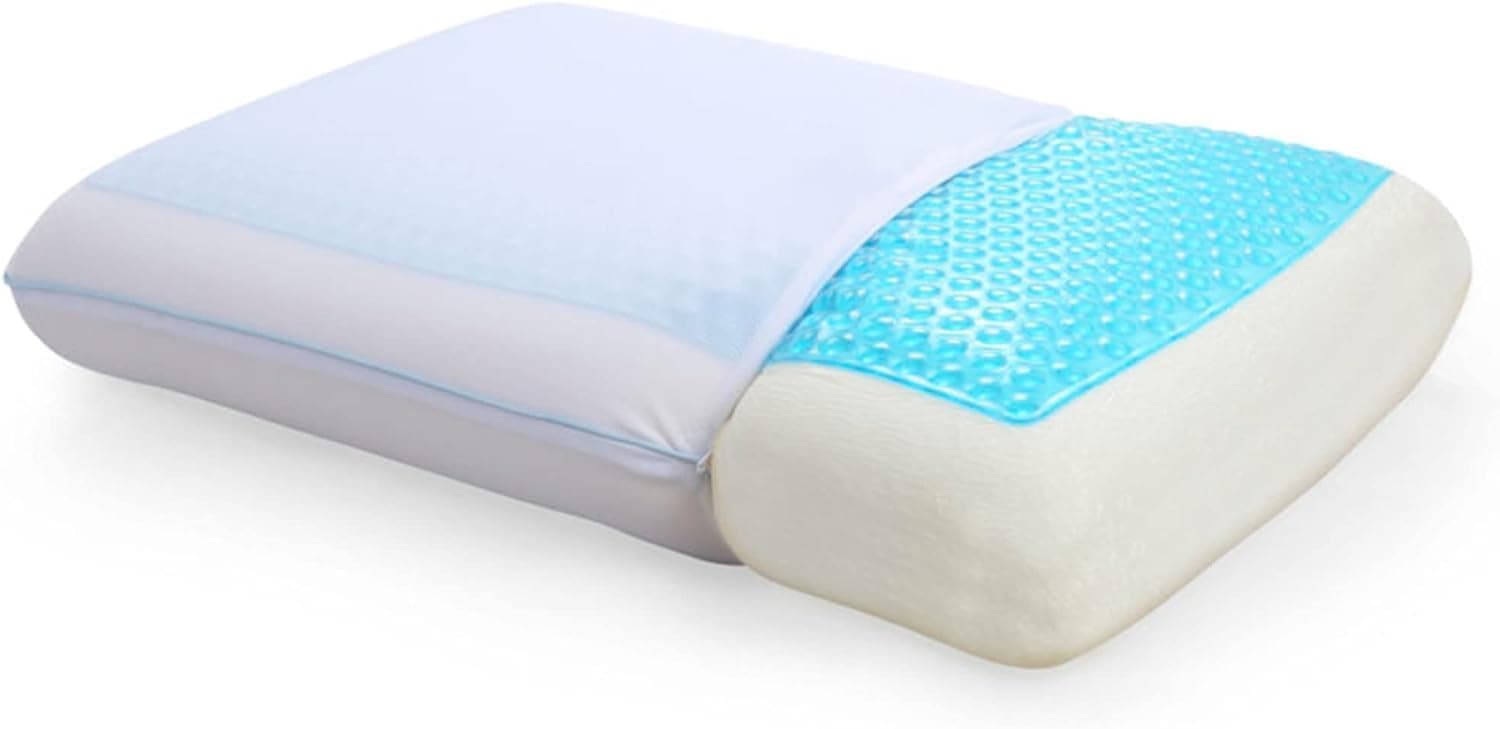
Solid memory foam contours closely and relieves pressure well, but its dense structure traps body heat over the night. Gel is usually added to foam, not a pillow on its own, either infused into the foam or layered on top, and it feels cool at first but that effect fades once it matches your body temperature. Shredded memory foam beats solid foam for hot sleepers because the loose pieces leave air channels for heat to escape, and a breathable, moisture-wicking cover matters as much as the fill itself. Pillows sit right against your head and neck, two areas that give off a lot of heat, so the material you choose has a real effect on how warm you feel. For hot sleepers, the memory foam versus gel question comes down to how each handles heat, airflow, and support.
Solid memory foam: great support, weak on heat
Traditional solid memory foam is known for contouring closely to your head. That same dense structure tends to trap body heat, which is why some people find plain memory foam warms up over the course of the night. It excels at pressure relief and support, but pure heat retention is its weak point.
Where gel comes in: infusions and pads
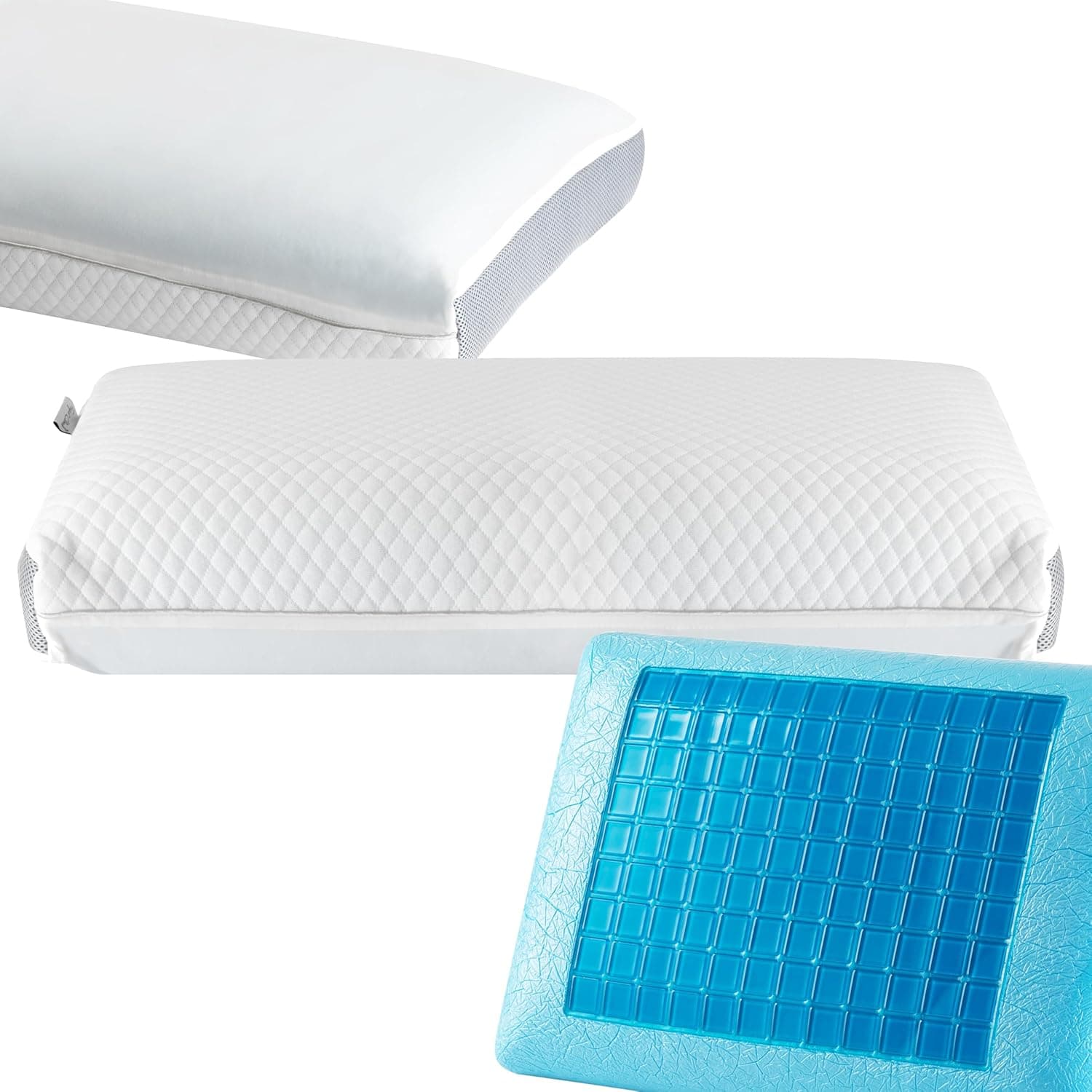
Gel is usually not a pillow on its own but an addition to foam. Gel-infused memory foam mixes cooling gel particles into the foam, while a gel layer or gel pad sits on top of a pillow to pull heat away from your skin. The gel feels cool to the touch and can delay the point at which the pillow warms up.
Initial coolness vs sustained coolness
It helps to separate two ideas: initial coolness and sustained coolness. A gel surface feels refreshing when you first lie down, but once it matches your body temperature the effect fades. Sustained coolness depends more on airflow, so the structure of the pillow matters as much as the gel itself.
Shredded foam beats solid foam for airflow
That is why shredded memory foam often beats solid foam for hot sleepers. Chopped pieces leave air channels that let heat escape, and you can adjust the loft by adding or removing fill. Pairing shredded foam with a gel infusion gives you both airflow and a cooler surface.
The cover matters as much as the fill
The cover plays a quiet but important role. A breathable, moisture-wicking cover made from a fabric like cotton or a phase-change material moves heat and sweat away better than a thick knit. Some cooling pillows lose much of their benefit under a heavy pillowcase.
Putting it together: what to look for
If you tend to overheat, look for shredded or ventilated foam with a gel component and a breathable cover, and match the loft to your sleeping position. Side sleepers usually need a higher loft, while stomach sleepers stay cooler and better aligned with a thinner pillow.
Frequently asked questions
Do gel pillows actually stay cool all night? They feel cool at first touch, but that effect fades once the gel reaches your body temperature. Sustained coolness depends more on airflow through the pillow than on the gel itself.
Is shredded memory foam cooler than solid memory foam? Yes. The loose pieces leave air channels that let heat escape, and pairing shredded foam with a gel infusion combines airflow with a cooler surface.
Does the pillowcase affect how cool a cooling pillow feels? Significantly. A breathable, moisture-wicking cover moves heat and sweat away, while a thick heavy pillowcase can cancel out much of a cooling pillow's benefit.
What pillow loft is best for hot sleepers? Match loft to sleeping position: side sleepers usually need a higher loft, while stomach sleepers stay cooler and better aligned with a thinner pillow.
Products from this article
The highest-scoring picks from the buying guides mentioned above. Scores are our editorial assessment, not customer ratings.
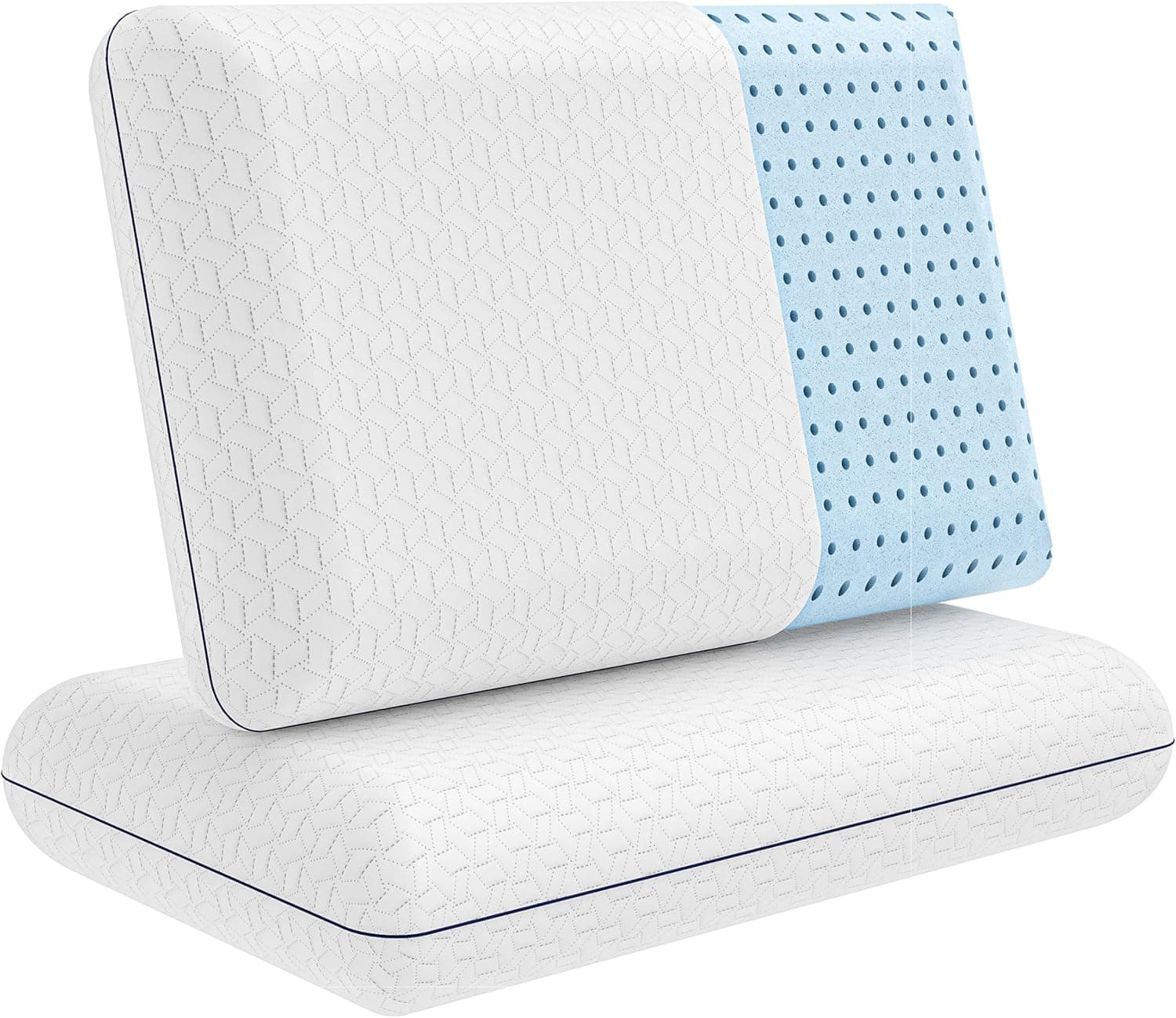
+ 2-Pack covers both sides of a king bed in a single purchase
From our guide: Best Gel Memory Foam Pillows
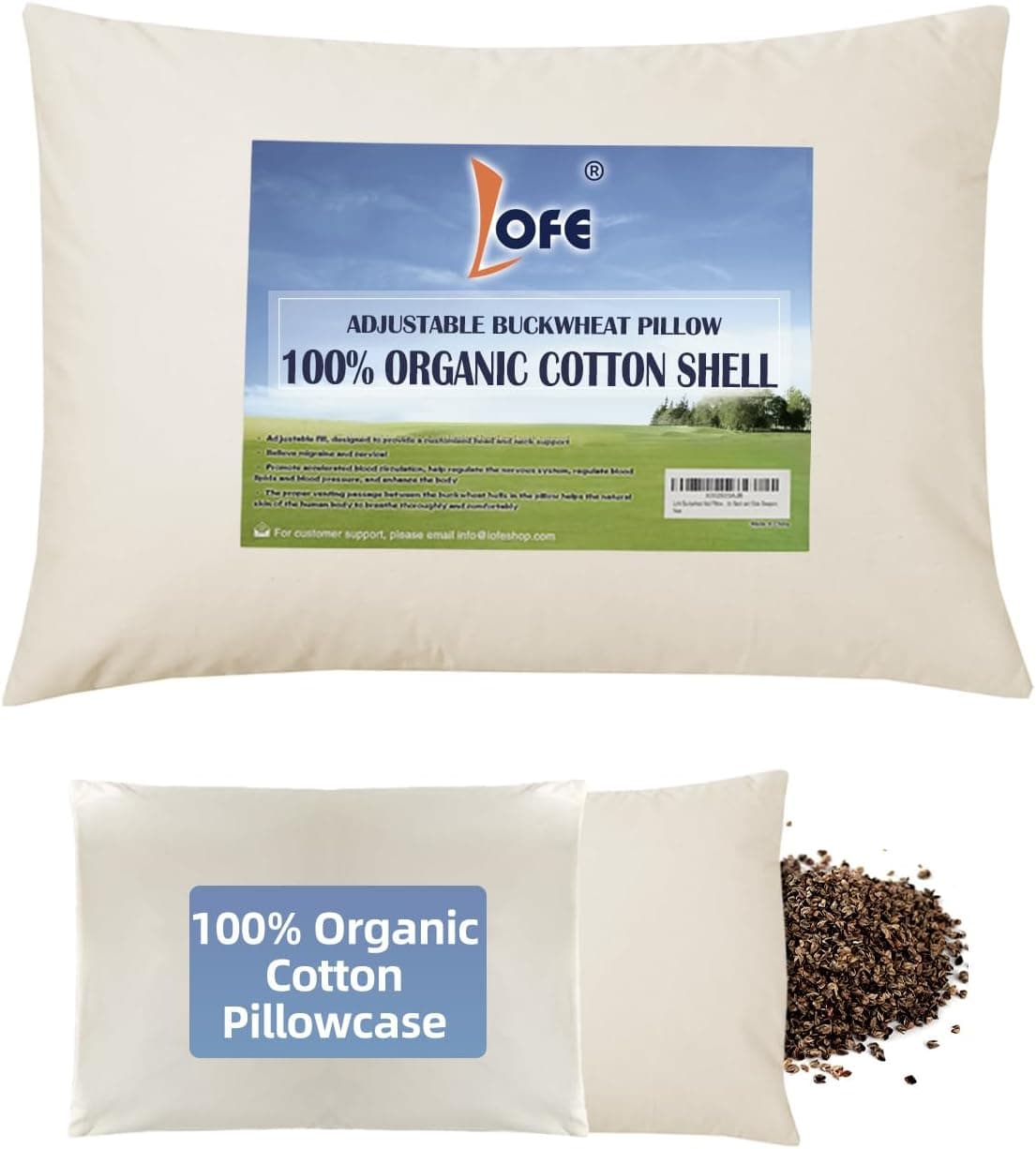
+ 20x26 size fits standard pillowcases, unlike small Japanese pillows
From our guide: Best Buckwheat Pillows
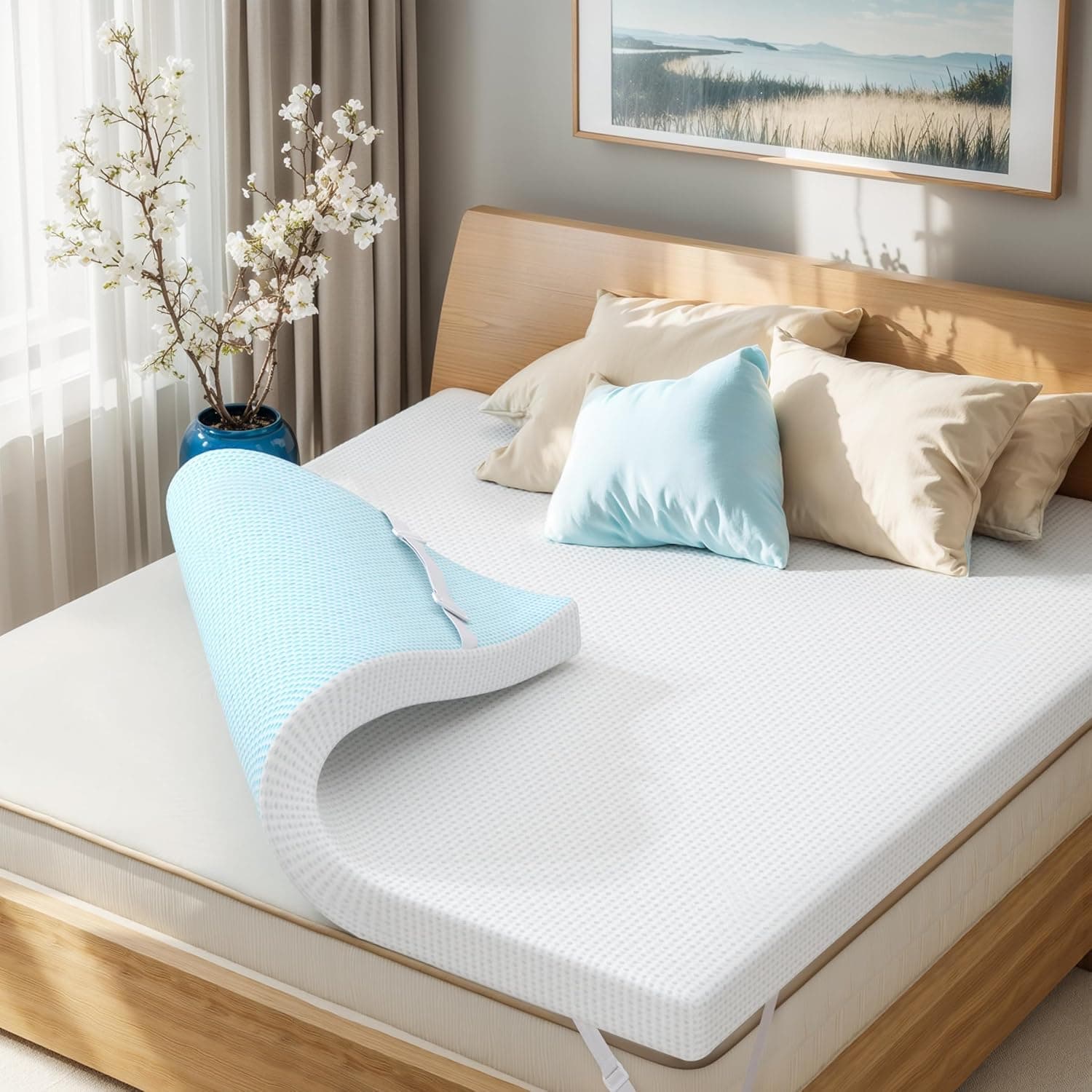
+ High density foam resists sagging better than light budget foam
From our guide: Best Cooling Mattress Toppers for Back Pain
+ Cooling gel pods sit on one side for a cold feel when you need it
From our guide: Best Gel Memory Foam Pillows
Popular right now
- Best Standing Fan Placement in a BedroomArticle
- Cooling Sheet Fabrics ComparedArticle
- Humidity and SleepArticle
- Breathable Mattress Materials for Cooler SleepArticle
- Keeping Kids Cool at NightArticle
- Best Portable AC for BedroomBuying guide
Based on the last 28 days of search and visitor data.