Why Your Portable Air Conditioner Is Not Cooling the Bedroom
Published How we research
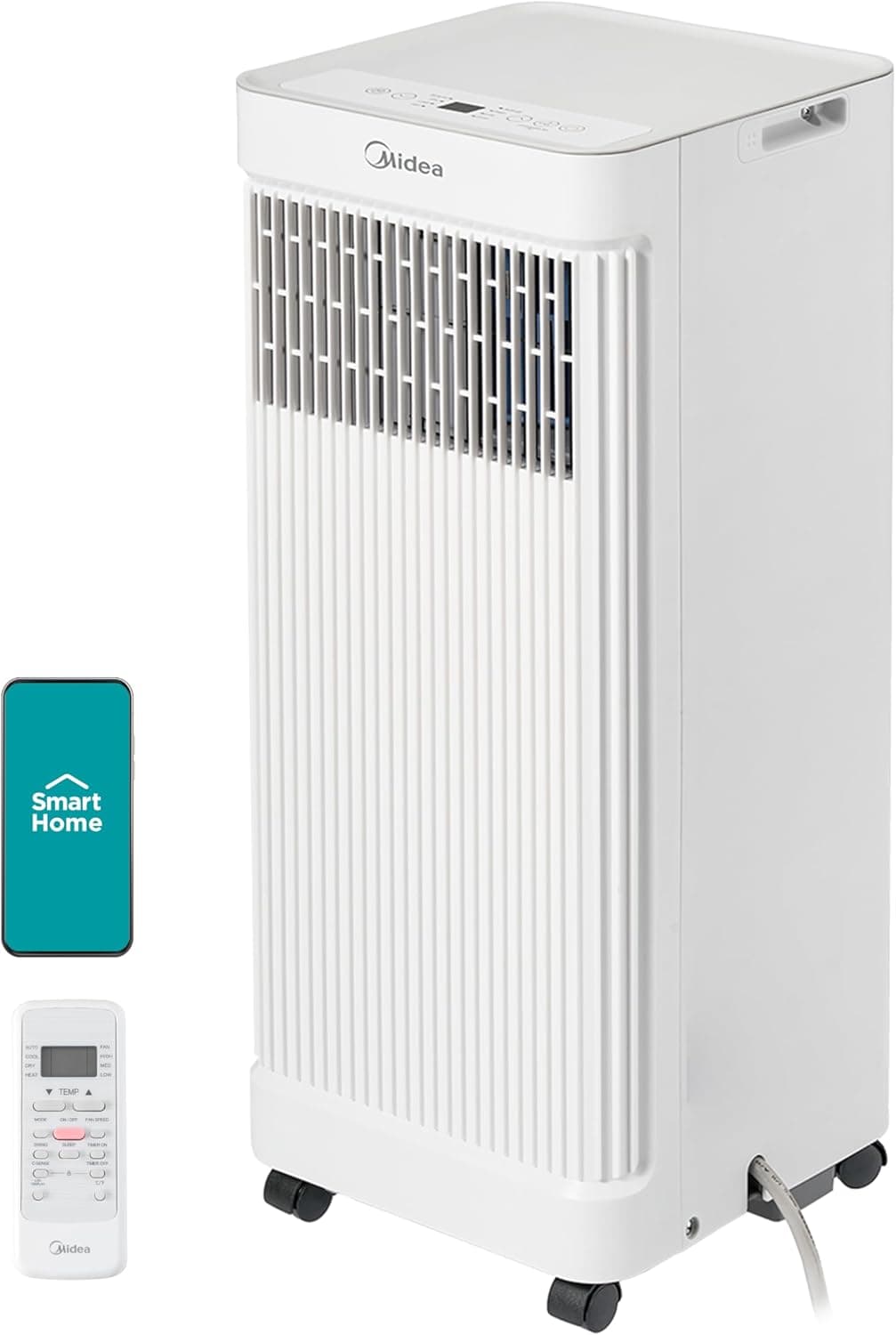
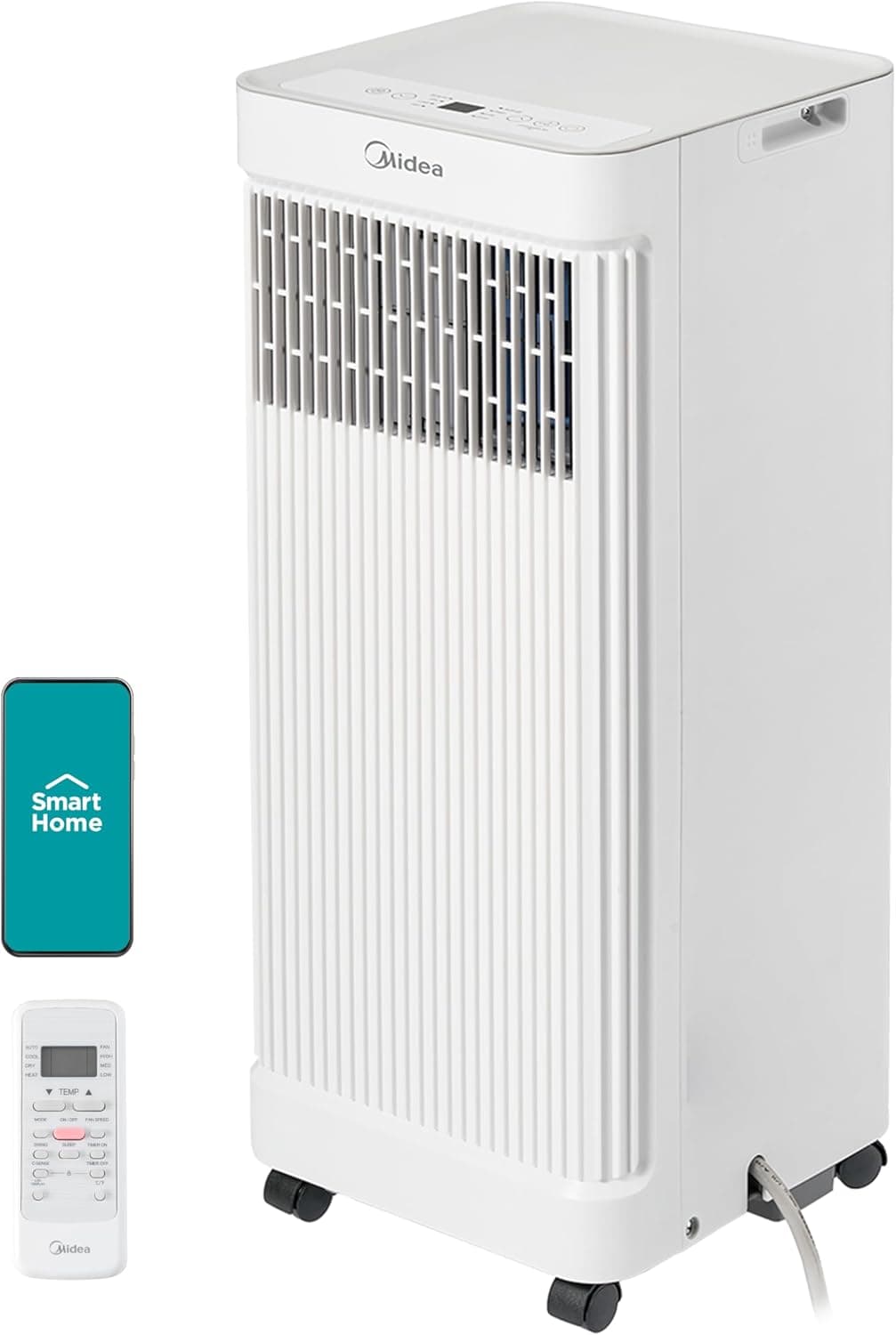
Portable air conditioners are popular for bedrooms where window units are not allowed, but many owners are disappointed by how slowly they cool. The problems are usually predictable: undersizing, hot exhaust air leaking back into the room, and setup details that let warm air in.
The unit may be undersized
Portable ACs are often rated with a higher BTU number than their real-world cooling, and single-hose models lose efficiency because they pull room air out through the exhaust, drawing warm air in from elsewhere.
Compare the unit's rating with your room size, sun exposure and number of people. Sunny top-floor rooms and rooms with lots of electronics need more capacity than the basic square footage suggests.
Hot exhaust hose and window gaps
The exhaust hose gets very hot and radiates heat back into the room. Keep the hose as short and straight as possible, and consider an insulated hose sleeve to reduce heat radiating from it.
Gaps around the window kit let hot outdoor air back in. Seal around the panel with foam weatherstripping and make sure the window is closed tight against it.
Filters, coils and drainage
A clogged air filter reduces airflow and cooling. Clean or replace the filter every few weeks during heavy use, following the manual.
Many units stop cooling or switch off when their internal water tank is full. Empty the tank or set up continuous drainage as the manufacturer recommends, especially in humid weather.
Room setup that helps
Close blinds or blackout curtains during the day to keep sun out, and shut the bedroom door so the unit only cools the room you sleep in. Start cooling an hour or two before bed rather than when the room is already hot.
Place the unit where it can pull air freely, a little away from walls and furniture, and use a ceiling or standing fan to circulate cooled air across the bed.
When to consider another option
If the room remains hot after sealing, cleaning and correct sizing, a dual-hose portable unit, a window unit where allowed or a bed cooling system may be more effective.
Unusual noises, ice on coils or the unit blowing warm air on cooling mode can indicate a fault. Contact the manufacturer or a technician rather than continuing to run it.
Understand single and dual hose units
Single-hose portable air conditioners pull cooled room air across the hot condenser and blow it outside. That creates slight negative pressure, which draws warm air into the room through gaps around doors and windows, working against the cooling. The effect is strongest in hot weather, exactly when you need the unit most.
Dual-hose units draw outdoor air to cool the condenser through one hose and exhaust it through the other, so they do not pull warm air into the room in the same way. They usually cool a hot bedroom faster, though they cost more and need a slightly larger window kit.
Products from this article
The highest-scoring picks from the buying guides mentioned above. Scores are our editorial assessment, not customer ratings.
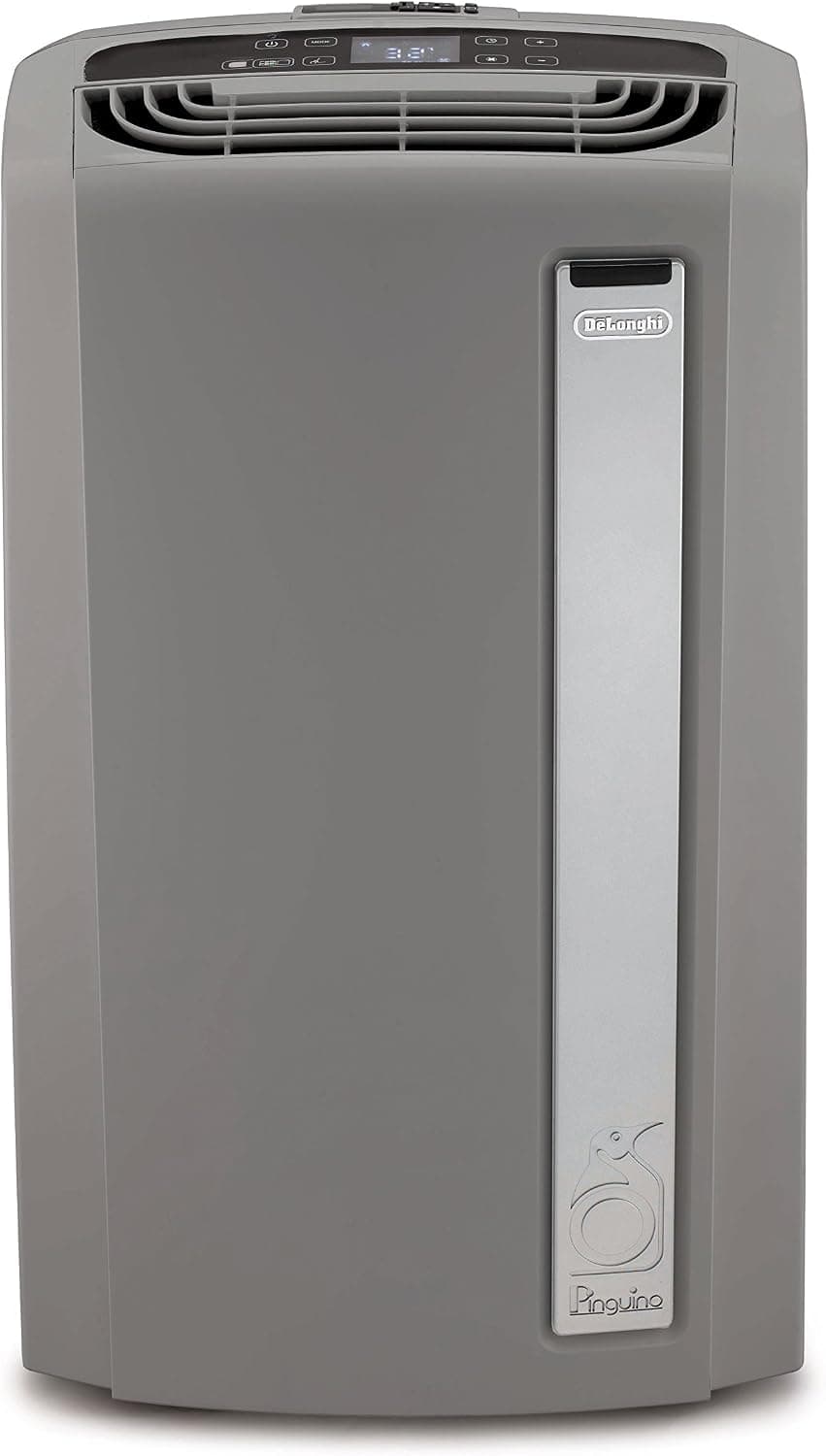
+ 6,000 BTU SACC rating gives more real cooling than smaller units
From our guide: Best Portable AC for Bedroom
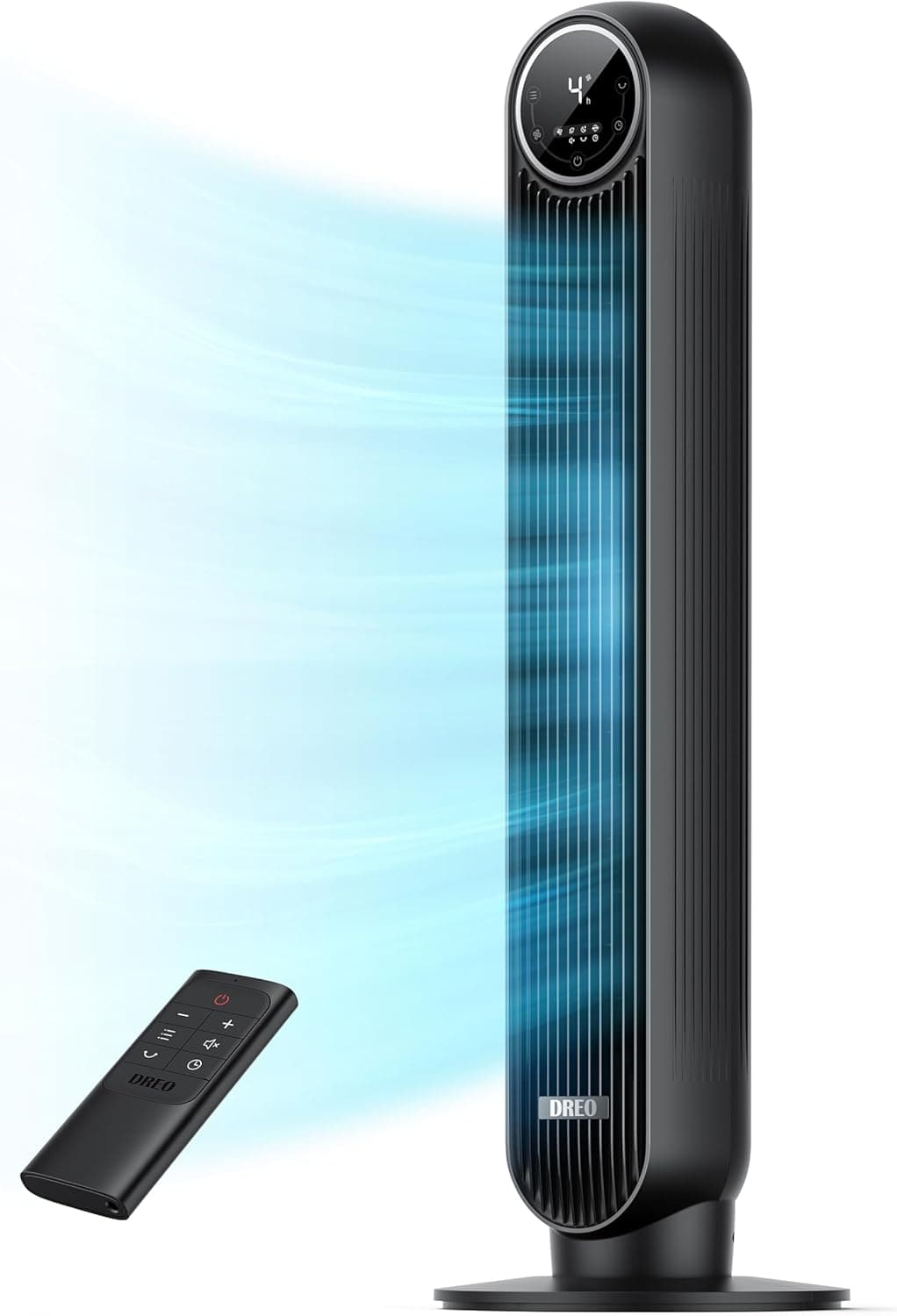
+ 20dB ultra quiet rating suits light sleepers
From our guide: Best Bedroom Cooling Fans
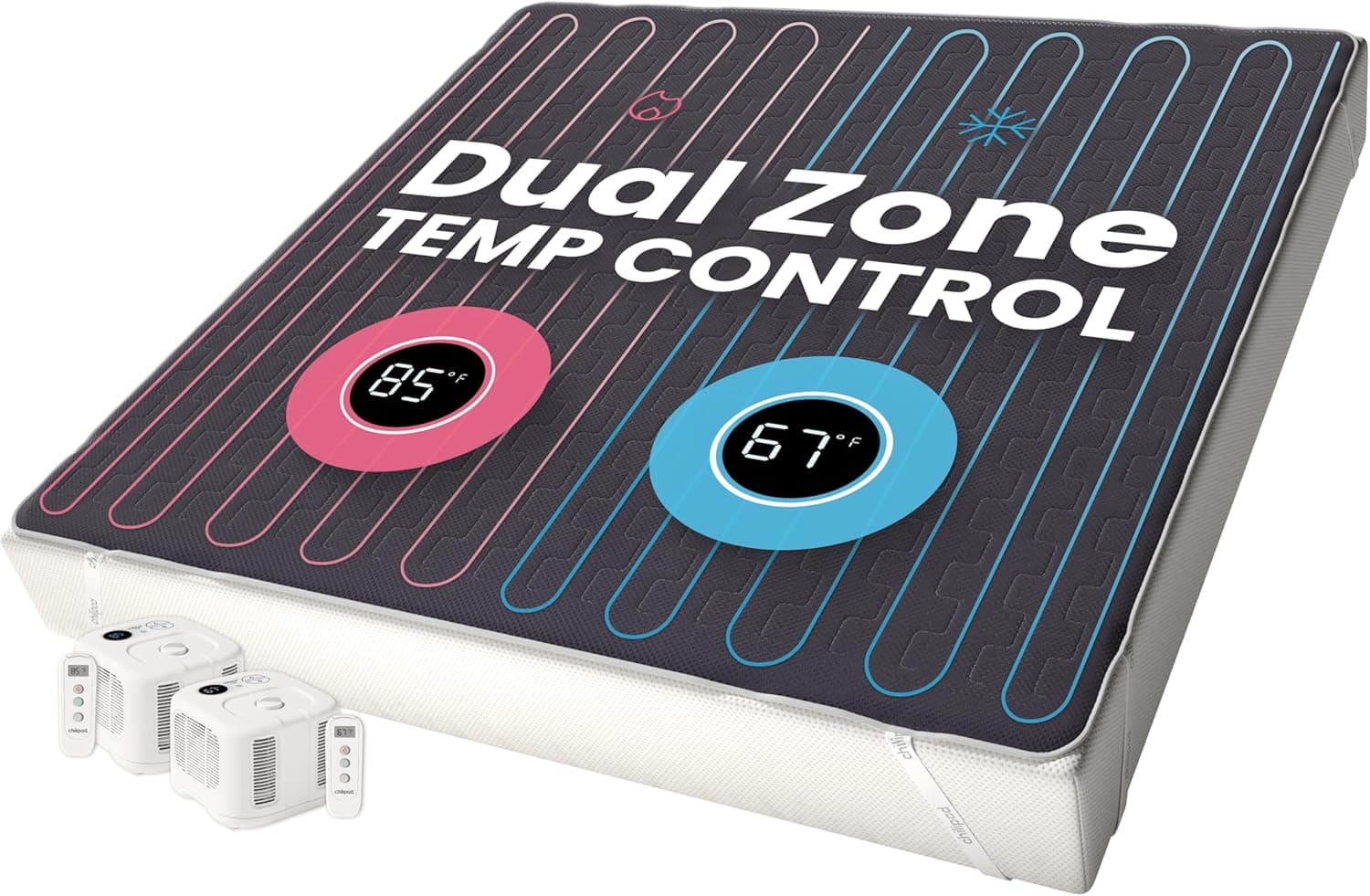
+ Dual Zone control lets each partner set their own temperature
From our guide: Best Bed Cooling Systems
+ Arctic Whisper quiet mode is designed for bedroom use
From our guide: Best Portable AC for Bedroom
Popular right now
- Best Standing Fan Placement in a BedroomArticle
- Cooling Sheet Fabrics ComparedArticle
- Humidity and SleepArticle
- Breathable Mattress Materials for Cooler SleepArticle
- Keeping Kids Cool at NightArticle
- Best Portable AC for BedroomBuying guide
Based on the last 28 days of search and visitor data.