Setting Up a Bedroom for Hot Summers
Published How we research
When summer arrives, the bedroom is often the hardest room to keep comfortable, especially at night when the day's accumulated heat radiates back out of walls, furniture, and mattresses. Preparing the room properly before a heatwave hits makes a bigger difference than scrambling for relief at midnight. The strategy has three parts: stop heat getting in during the day, help heat escape at night, and adjust your bedding and habits so your body can cool itself.
The single most effective daytime move is blocking the sun. A bedroom with windows facing the afternoon sun can gain enormous heat that lingers for hours after sunset. Close curtains or blinds during the hottest part of the day, and upgrade to blackout curtains or reflective blinds if the room bakes. External shading, such as an awning, shutter, or even a strategically placed plant outside the window, works even better because it stops heat before it passes through the glass. Keeping windows closed while the outside air is hotter than the inside also prevents warm air from pouring in.
Once the outside temperature drops below the indoor temperature in the evening, flip your strategy and ventilate aggressively. Open windows on opposite sides of the home to create a cross breeze that flushes hot air out and pulls cooler night air in. A fan placed in a window facing outward can push hot air out, while a fan facing inward on the cooler side draws fresh air in. This natural night cooling can lower a bedroom's temperature by several degrees for free, and it works best in climates where nights are meaningfully cooler than days.
Airflow inside the room matters as much as fresh air from outside. A ceiling fan or a good standing fan positioned to move air across the bed helps sweat evaporate and makes the room feel several degrees cooler than the thermometer reads. For an extra boost, place a shallow bowl or tray of ice in front of a fan so it blows cooled, slightly moistened air toward you. If you use air conditioning, set it to a moderate temperature and let a fan circulate the cool air rather than cranking the unit to its coldest setting, which wastes energy and can leave you shivering.
Summer is the time to lighten your bedding completely. Swap heavy duvets for a thin cotton or linen blanket or even just a flat sheet, and switch to breathable sheets in percale cotton, linen, or Tencel that wick moisture and allow airflow. If your mattress runs hot, a breathable or gel-infused topper can help, and a moisture-wicking mattress protector keeps the surface from feeling clammy. Some people keep a lightweight summer bedding set specifically for the warm months and store the winter duvet away entirely.
Reduce the heat your room generates from within. Electronics, chargers, and especially incandescent bulbs all give off warmth, so unplug what you can and switch to LED lighting that runs cool. Avoid using the oven or running heat-generating appliances in the evening if your bedroom is nearby. Even a laptop left running on the nightstand adds unnecessary warmth to a small room over the course of a night.
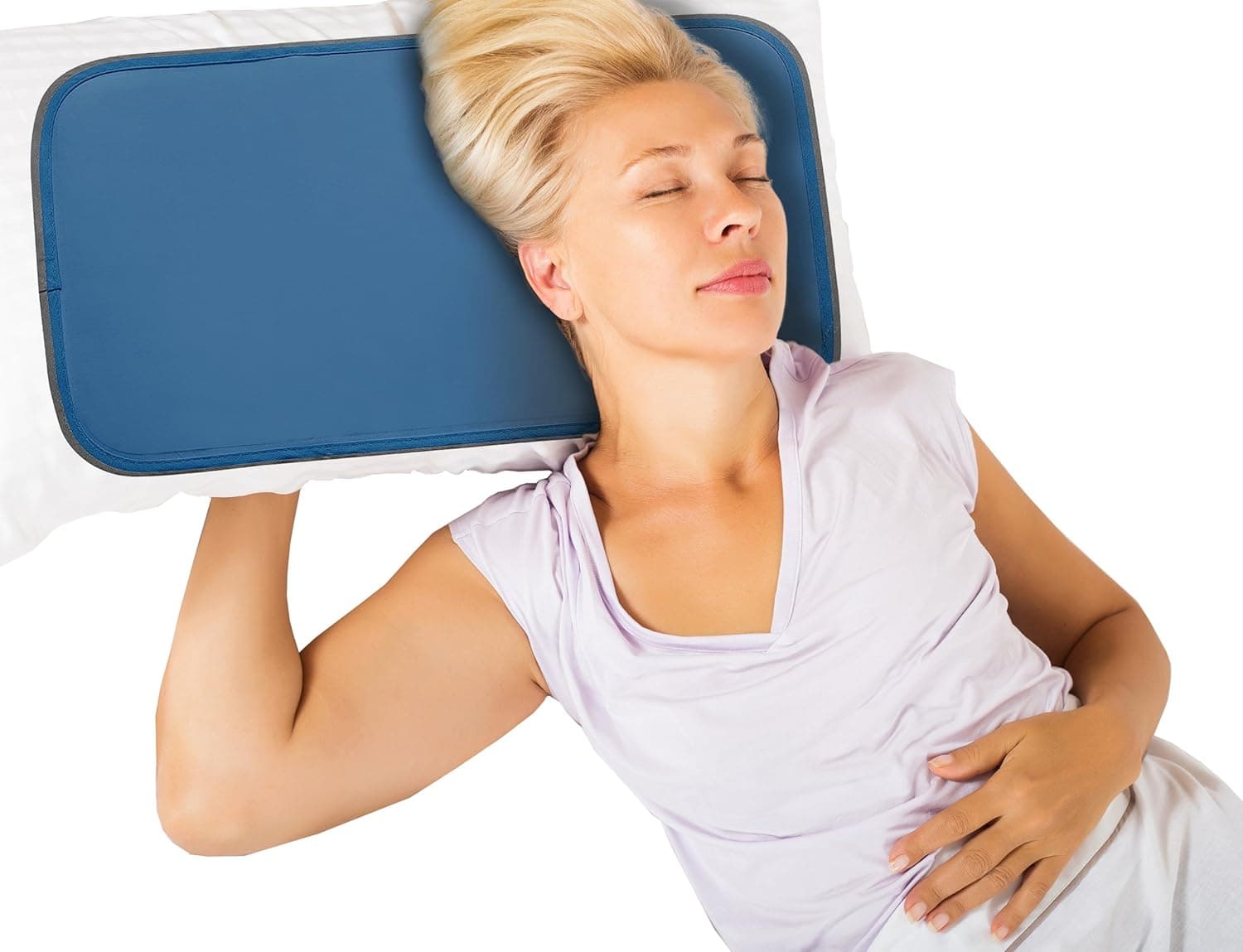
Finally, tune your personal habits to the season. A cool or lukewarm shower before bed lowers your skin temperature and rinses off sweat. Keep a glass of water and a light cotton layer nearby, sleep with your feet uncovered to shed heat, and consider a cooling pillow or a chilled gel pad for your neck. With the room prepared, the airflow managed, and the bedding lightened, even a serious summer heatwave becomes far more survivable, and you protect the deep sleep that hot nights so easily steal.
Products from this article
The highest-scoring picks from the buying guides mentioned above. Scores are our editorial assessment, not customer ratings.
+ Pressure-activated gel cools without a freezer, water or power
From our guide: Best Cooling Gel Pads
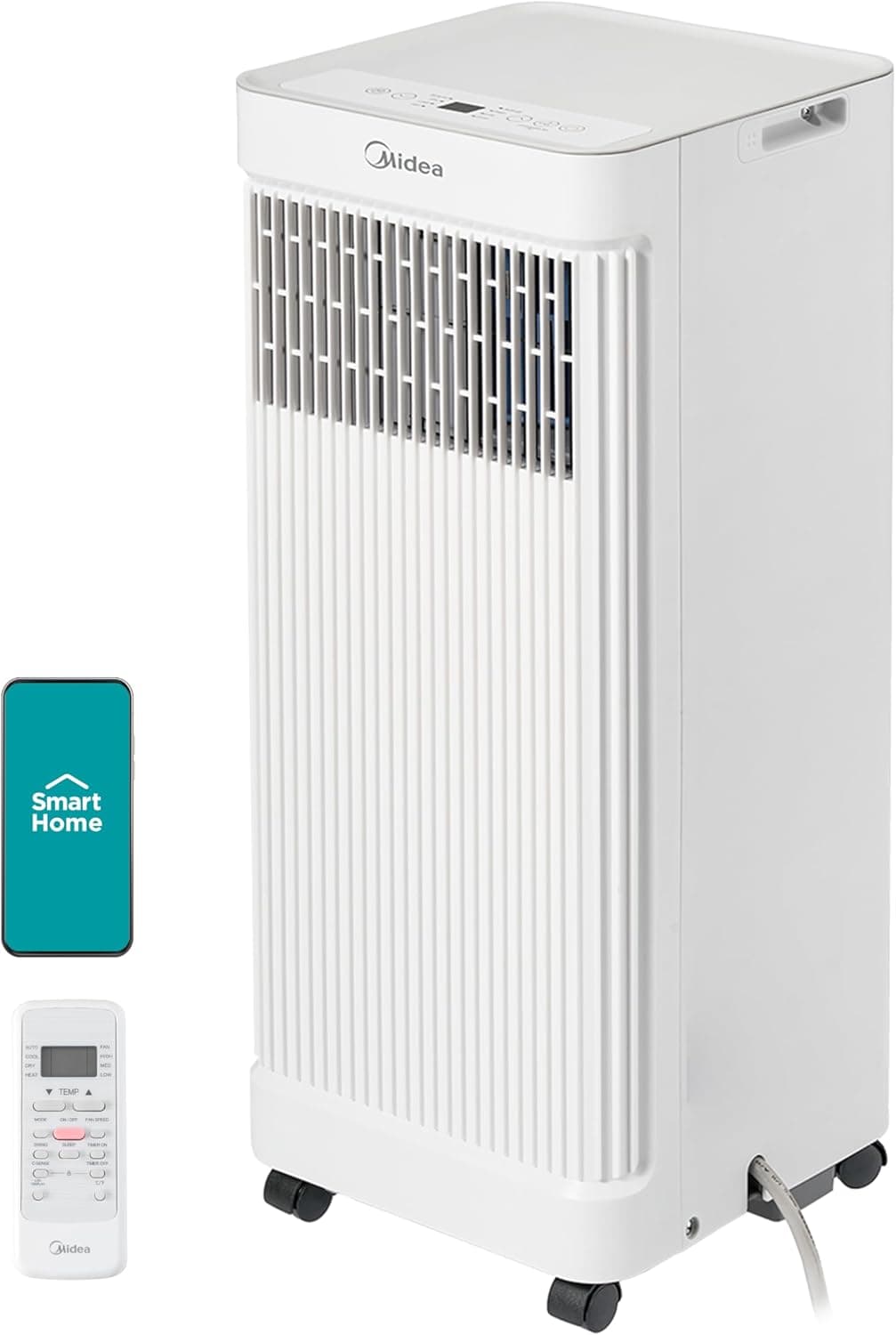
+ 6,000 BTU SACC rating gives more real cooling than smaller units
From our guide: Best Portable AC for Bedroom
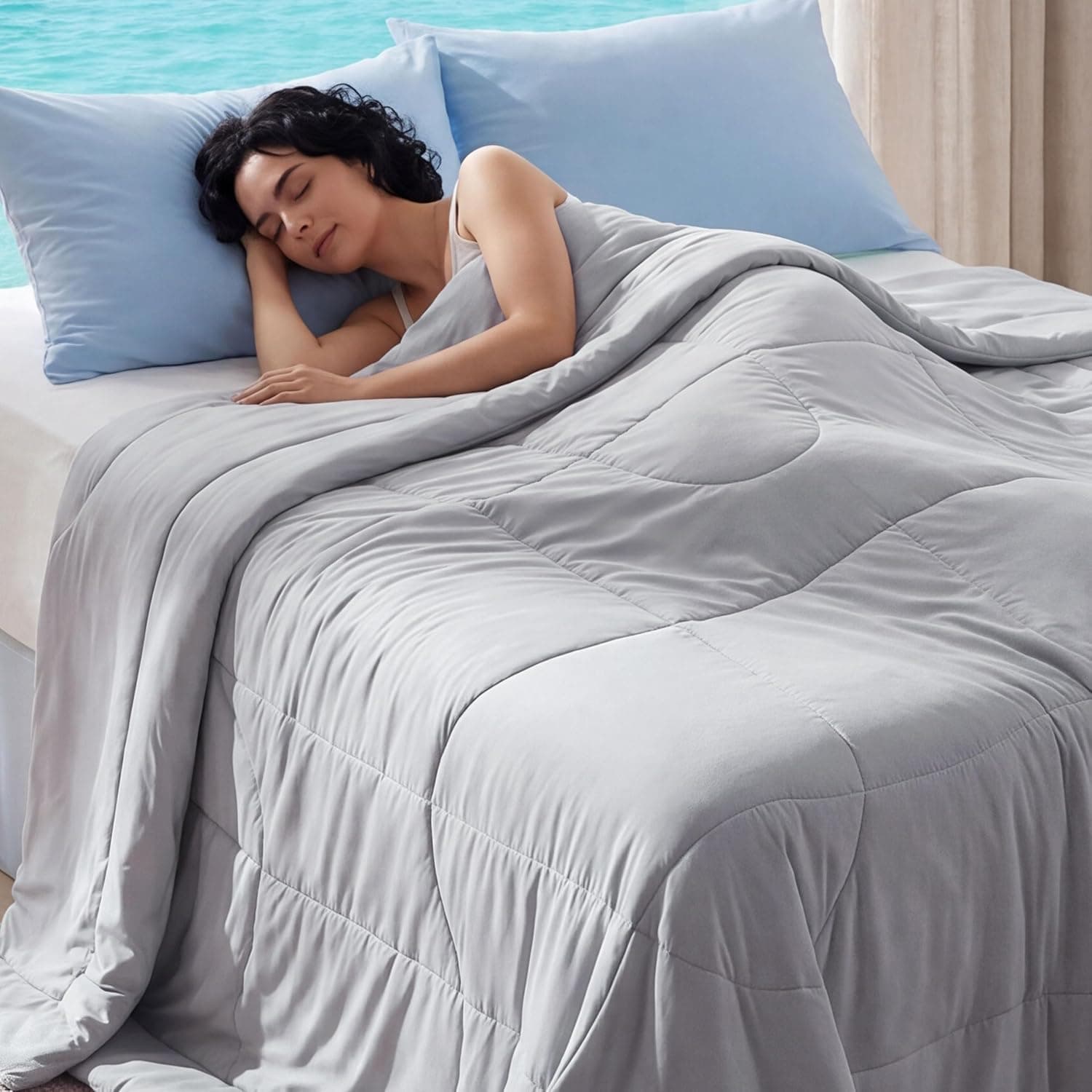
+ 88x88 size covers a queen bed with some overhang on each side
From our guide: Best Cooling Comforters for Summer
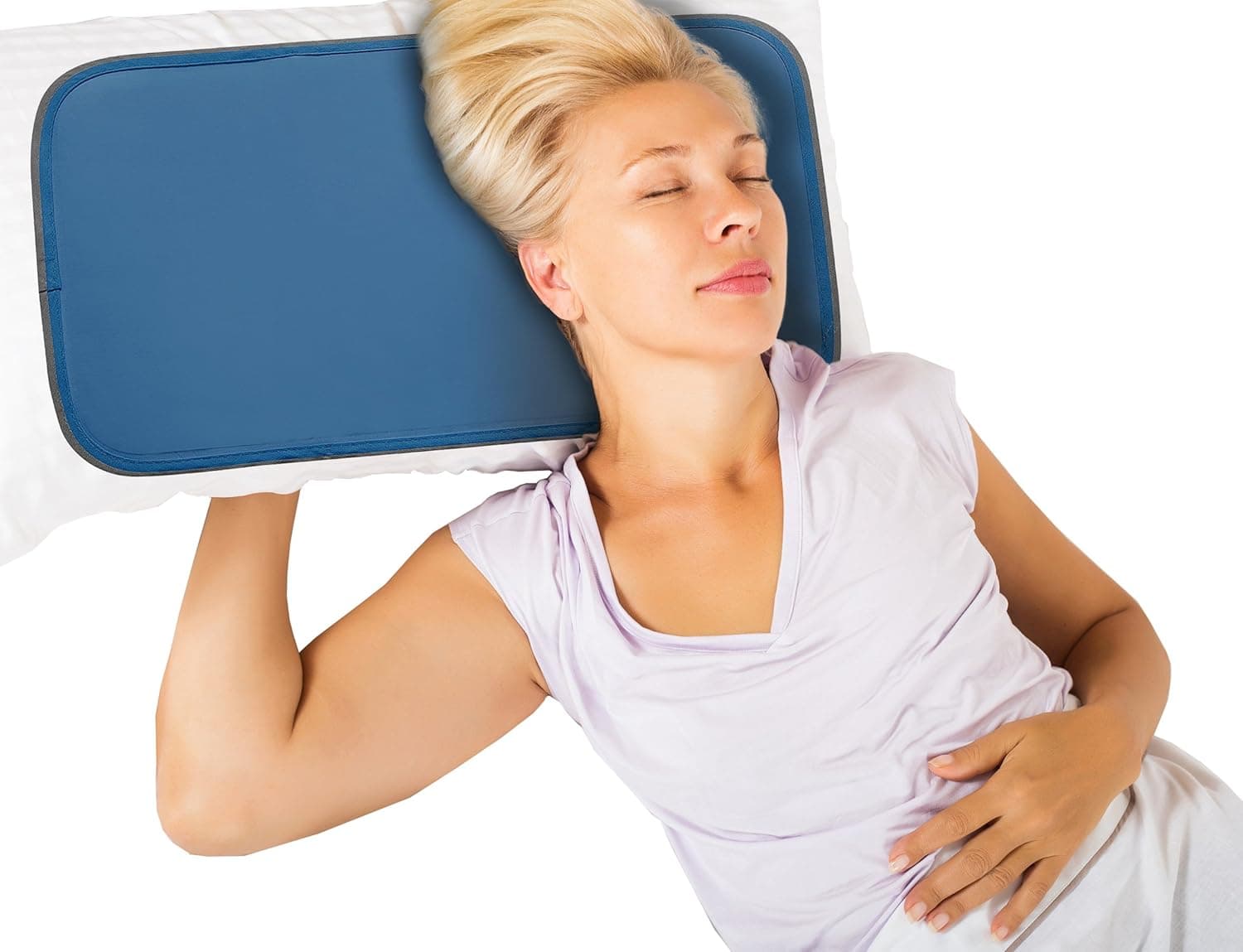
+ Larger bed pad cools the torso instead of only the head
From our guide: Best Cooling Gel Pads
Popular right now
- Best Standing Fan Placement in a BedroomArticle
- Cooling Sheet Fabrics ComparedArticle
- Humidity and SleepArticle
- Breathable Mattress Materials for Cooler SleepArticle
- Keeping Kids Cool at NightArticle
- Best Portable AC for BedroomBuying guide
Based on the last 28 days of search and visitor data.