Cooling Pillows Explained
Published How we research
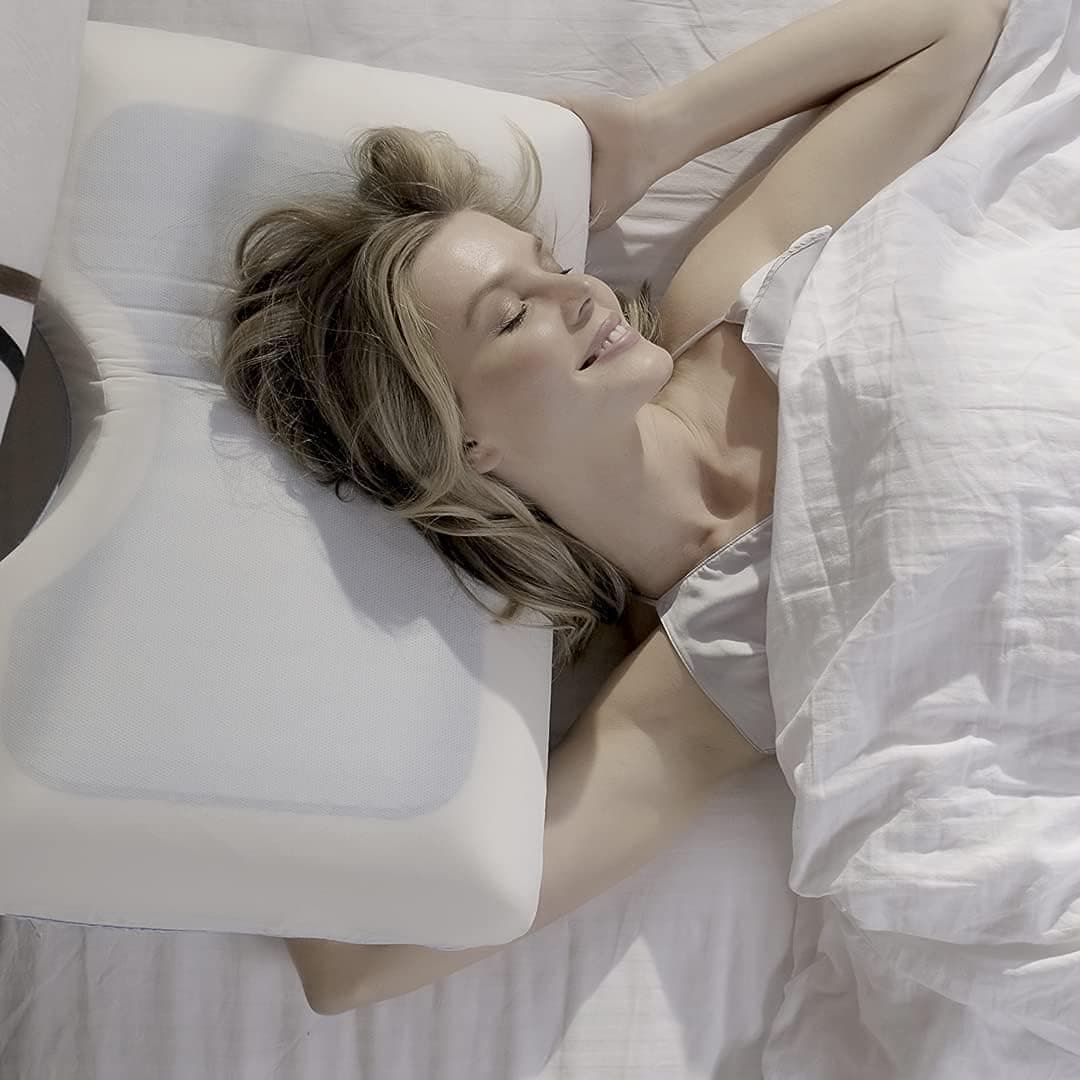
Cooling pillows either feel cold to the touch (gel layers and treated covers, which warm up once saturated) or simply avoid trapping heat (breathable fills, which matter more all night); the best do both. Gel-infused memory foam adds support but only a temporary cool feel, shredded foam and latex breathe better, buckwheat hulls give constant airflow, and phase-change material holds a stable surface temperature longest. Match the pillow to your sleep position and pair it with a percale or Tencel case. Your head and neck are surprisingly important to how hot you feel at night, because they are rich in blood vessels and rest against the pillow for hours without much air movement. A pillow that traps heat can leave you flipping to the cool side over and over, a familiar ritual for anyone who sleeps warm. Cooling pillows aim to solve this, but they use very different technologies, and understanding them helps you avoid paying for a feature that fades after twenty minutes.
Cool-to-the-touch vs heat-avoiding
The most basic distinction is between pillows that actively feel cold to the touch and pillows that simply avoid trapping heat. Cool-to-the-touch surfaces, often using gel layers or special fabric covers, feel refreshing when you first lie down but can warm up once your body heat saturates them. Breathable, airflow-focused pillows do not feel icy at first but keep heat moving away all night, which for most people is the more valuable property. The best cooling pillows combine both, offering an initial cool sensation and sustained breathability.
Gel-infused memory foam
Gel-infused memory foam is one of the most common cooling constructions. Memory foam on its own is notorious for trapping heat because it is dense and molds around your head, cutting off airflow. Adding gel beads or a gel layer helps pull heat away initially, and manufacturers often add ventilation holes to improve airflow. These pillows offer good support and pressure relief, but be realistic: the gel provides a temporary cool feel rather than continuous refrigeration, and solid foam still breathes less than open fills.
Shredded foam and latex
Shredded foam and latex pillows tend to sleep cooler than solid foam because the gaps between pieces allow air to circulate. Shredded memory foam gives you adjustable loft since you can add or remove fill, along with better airflow than a solid block. Natural latex, particularly with a ventilated or pinhole design, is naturally more breathable and resistant to heat buildup while offering responsive support. Both are good middle-ground options for sleepers who want the contouring of foam without the sauna effect.
Buckwheat hulls and fibre fills
At the more breathable end sit buckwheat hull pillows and certain fiber fills. Buckwheat hulls create constant airflow through the pillow because the hulls never pack together completely, so heat and moisture escape easily; the tradeoff is a firmer, heavier, slightly noisy pillow that some love and others do not. Down and down-alternative pillows breathe reasonably well and stay cool if you fluff them, though they offer less structured support. For hot sleepers who also want firmness, buckwheat is often a revelation.
Phase-change material (PCM)
The most advanced option uses phase-change material, or PCM, which is engineered to absorb and release heat to hold a stable surface temperature. PCM fabrics feel cool because they draw heat from your skin until they reach a threshold, then release it, extending the cool sensation longer than a simple gel layer. These pillows and pillow covers cost more, and the effect is not infinite, but for people who overheat badly at the head and neck they can be worth it. A PCM pillow protector is also a cheaper way to add this technology to a pillow you already like.
Matching the pillow to your sleep position
When choosing, match the pillow to your sleep position and your specific complaint. If your whole head bakes, prioritize breathable fills like shredded latex or buckwheat over a gel gimmick. If you love the feel of foam but hate the heat, look for ventilated gel or PCM covers. And remember that the pillowcase matters too, since a cotton percale or Tencel case breathes far better than polyester and preserves whatever cooling the pillow provides. The right combination keeps the cool side of the pillow from being the only side worth sleeping on.
Frequently asked questions
Do cooling pillows actually stay cool all night? Cool-to-the-touch surfaces warm up once your body heat saturates them. Breathable, airflow-focused fills keep heat moving away all night, which is the more valuable property; the best pillows combine both.
Why does my memory foam pillow sleep so hot? Solid memory foam is dense and moulds around your head, cutting off airflow. Gel infusions and ventilation holes help initially but solid foam still breathes less than shredded or open fills.
What is the coolest pillow fill for hot sleepers? Buckwheat hulls give constant airflow because they never pack together, with shredded latex a close second. Both beat a gel layer over solid foam.
Is a PCM pillow cover worth it? For people who overheat badly at the head and neck, yes, and a PCM protector is a cheaper way to add the technology to a pillow you already like.
Products from this article
The highest-scoring picks from the buying guides mentioned above. Scores are our editorial assessment, not customer ratings.
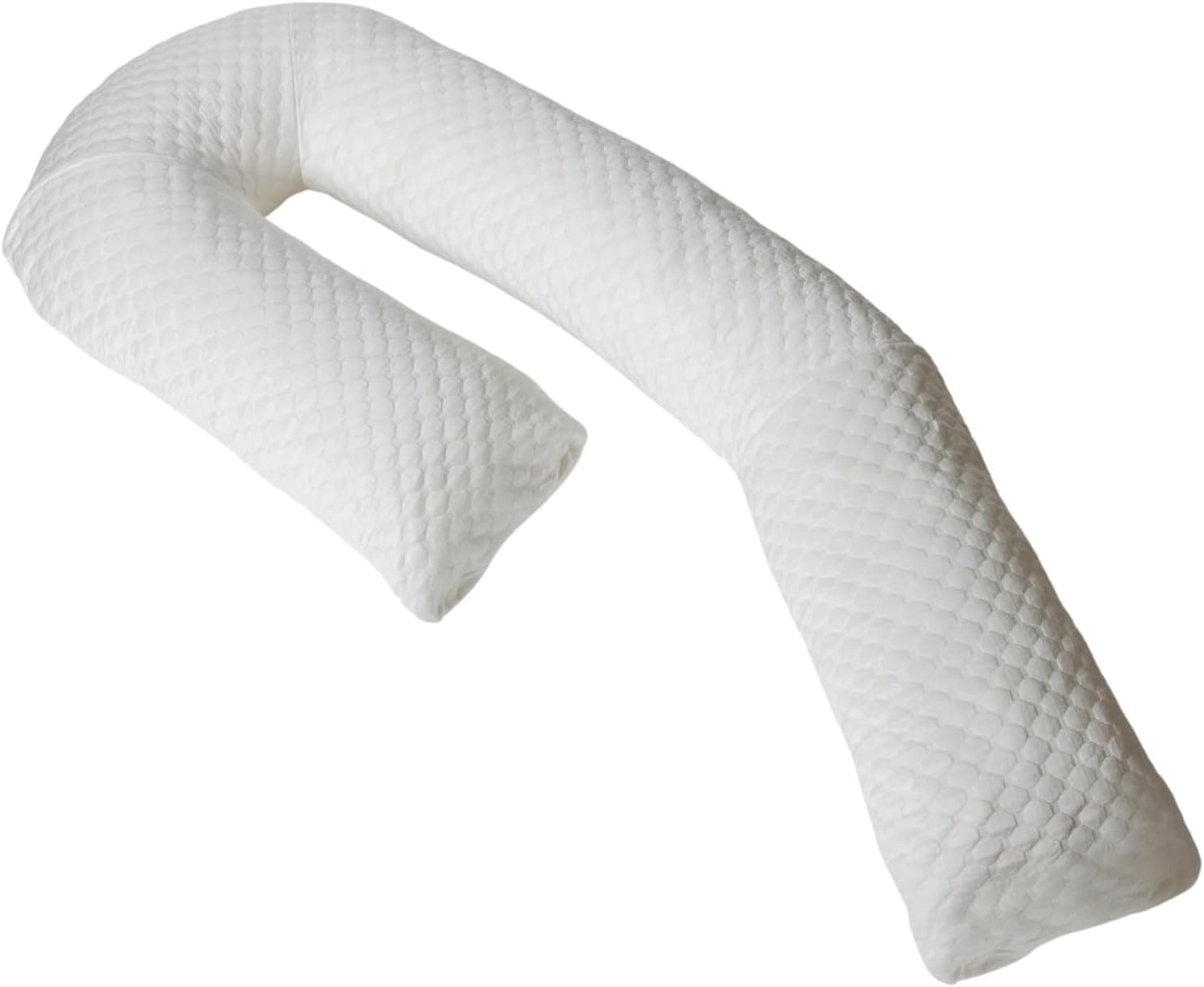
+ MedCline specializes in positional sleep support products
From our guide: Best Cooling Pillows for Side Sleepers
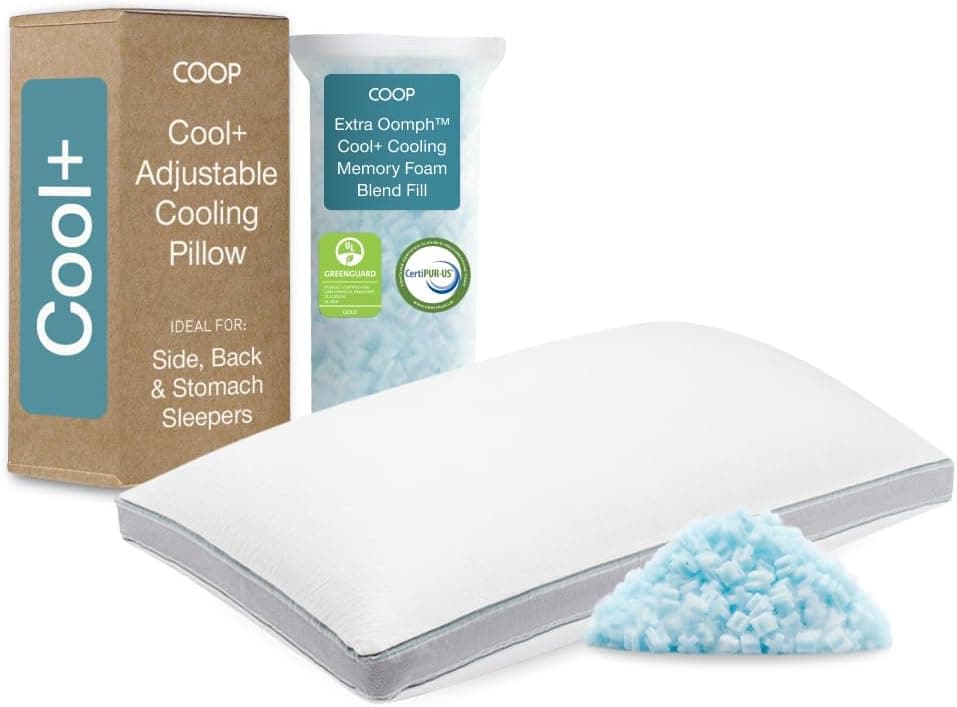
+ Adjustable fill lets you remove foam to find the right loft for your neck
From our guide: Best Cooling Pillows
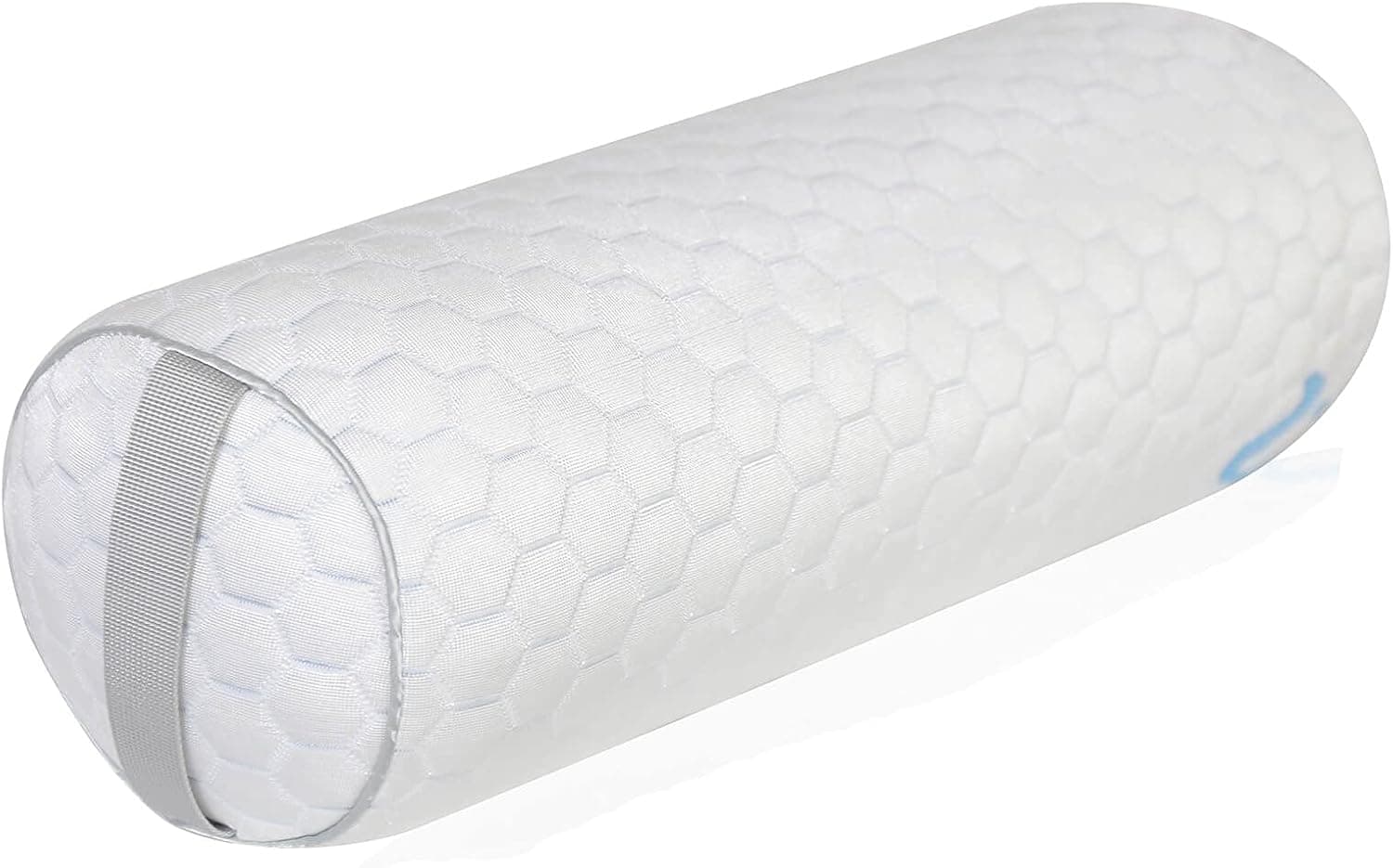
+ Shredded latex fill sleeps cooler than memory foam
From our guide: Best Cooling Bolster Pillows
+ Cervical contour keeps the neck aligned when lying on your side
From our guide: Best Cooling Pillows for Side Sleepers
Popular right now
- Best Standing Fan Placement in a BedroomArticle
- Cooling Sheet Fabrics ComparedArticle
- Humidity and SleepArticle
- Breathable Mattress Materials for Cooler SleepArticle
- Keeping Kids Cool at NightArticle
- Best Portable AC for BedroomBuying guide
Based on the last 28 days of search and visitor data.