Winter Bedding Guide for Hot Sleepers
Published How we research

Winter can be surprisingly hard for hot sleepers. Heating keeps bedrooms warm, radiators dry the air, and people switch to heavy duvets and flannel sheets out of habit. The result is waking up sweaty under too much insulation. Breathable layers and a cooler bedroom solve most of it.
Keep the bedroom cooler than the house
A cooler bedroom helps sleep year-round. Turn down radiators or thermostats in the bedroom at night, or close the bedroom vent, while keeping the rest of the home comfortable.
Many people sleep best in a moderately cool room. Adjust gradually and use layers so you can add warmth if needed rather than heating the whole room.
Layer instead of one heavy duvet
Replace a single heavy winter duvet with a lighter duvet plus a breathable blanket or quilt. You can remove a layer during the night without being left uncovered.
Couples with different temperature preferences benefit from separate blankets, which avoids one person overheating under a shared winter duvet.
Choose breathable winter fabrics
Wool blankets and duvets regulate temperature and wick moisture better than many synthetic fills, making them a good choice for hot sleepers who still want warmth.
Keep breathable percale, linen or lyocell sheets in winter rather than switching to flannel, which traps more heat and moisture.
Manage dry winter air
Heating dries the air, which can make sleep uncomfortable and cause dry skin and throats. A humidifier helps keep indoor humidity moderate; avoid over-humidifying, which can lead to condensation and mould.
Place humidifiers away from bedding and clean them regularly according to the manual.
Sleepwear and routines
Choose light, moisture-wicking pajamas even in winter, and avoid thick fleece that traps sweat. Keep a light layer nearby rather than dressing warmly for the whole night.
Hot showers right before bed and heavy late meals raise body temperature. Shower an hour or two earlier so your body has time to cool before sleep.
Sharing a bed with someone who sleeps cold
Many hot sleepers share a bed with a partner who feels cold in winter. Two separate duvets or quilts of different weights let each person choose their own warmth without fighting over one cover, and this simple change often ends winter overheating entirely.
A dual-zone heated or cooling mattress pad offers more control, warming one side and keeping the other cool. Alternatively, the colder partner can use a heated throw on their side only while the hot sleeper keeps a lighter layer.
Night sweats in winter
Waking soaked in winter is often caused by too many layers plus heating, but night sweats can also come from hormonal changes, medication, alcohol or illness. Adjusting bedding helps the first cause and improves comfort for the others.
If night sweats are new, frequent or come with fever, weight loss or other symptoms, talk to a doctor rather than only changing bedding.
Products from this article
The highest-scoring picks from the buying guides mentioned above. Scores are our editorial assessment, not customer ratings.
+ 100% eucalyptus lyocell feels smooth and cool and handles humidity well
From our guide: Best Cooling Comforters
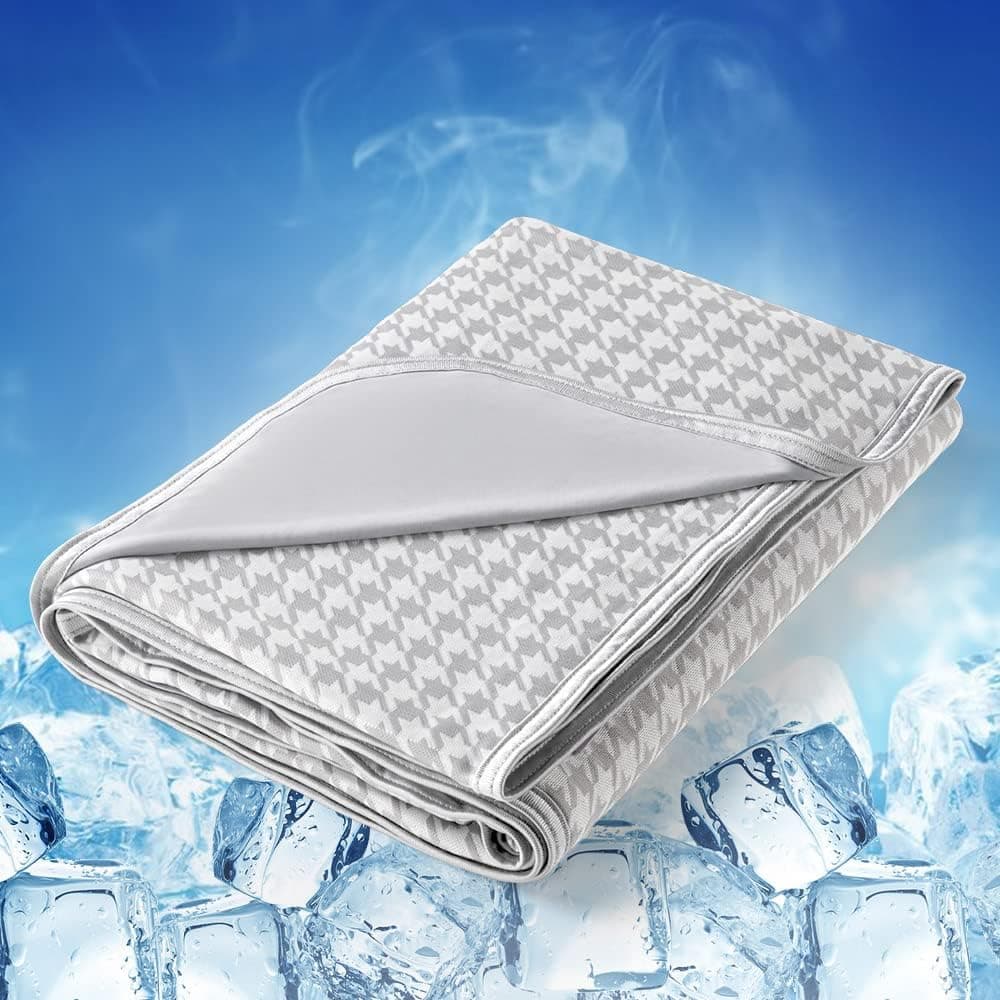
+ Q-Max 0.55 rating is on the cooler end among cool-touch fabrics
From our guide: Best Lightweight Summer Blankets
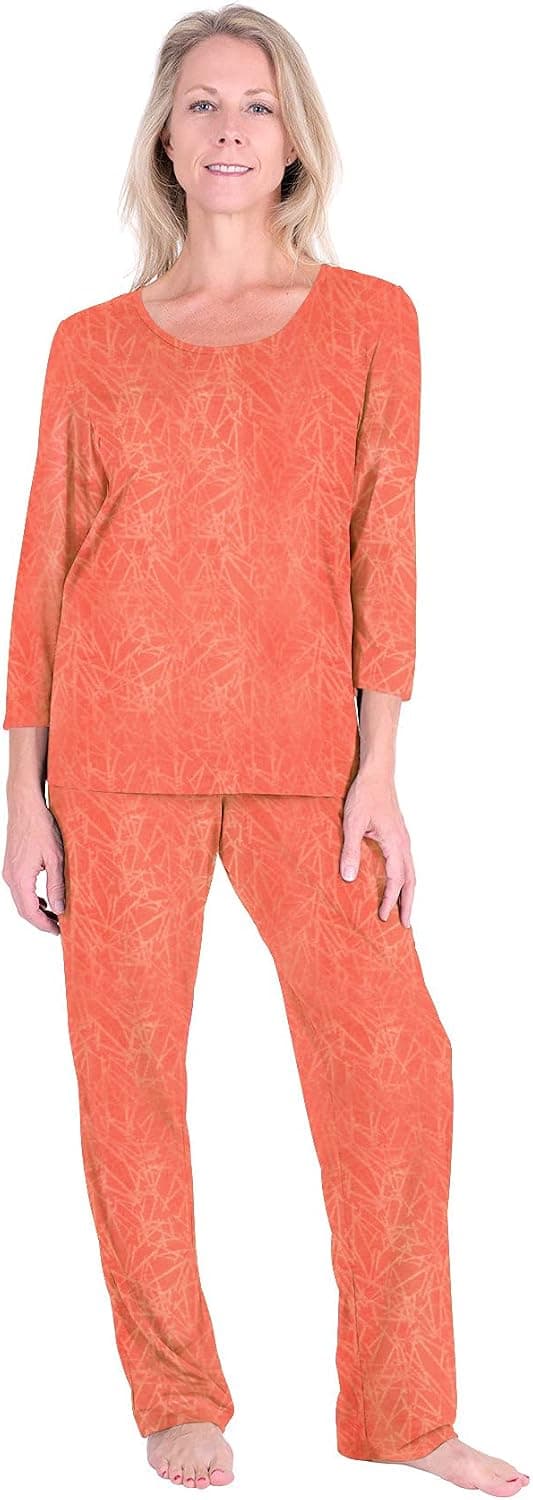
+ Brand focuses on sweat-free sleepwear, so the fabric is designed around wicking moisture
From our guide: Best Moisture-Wicking Pajamas
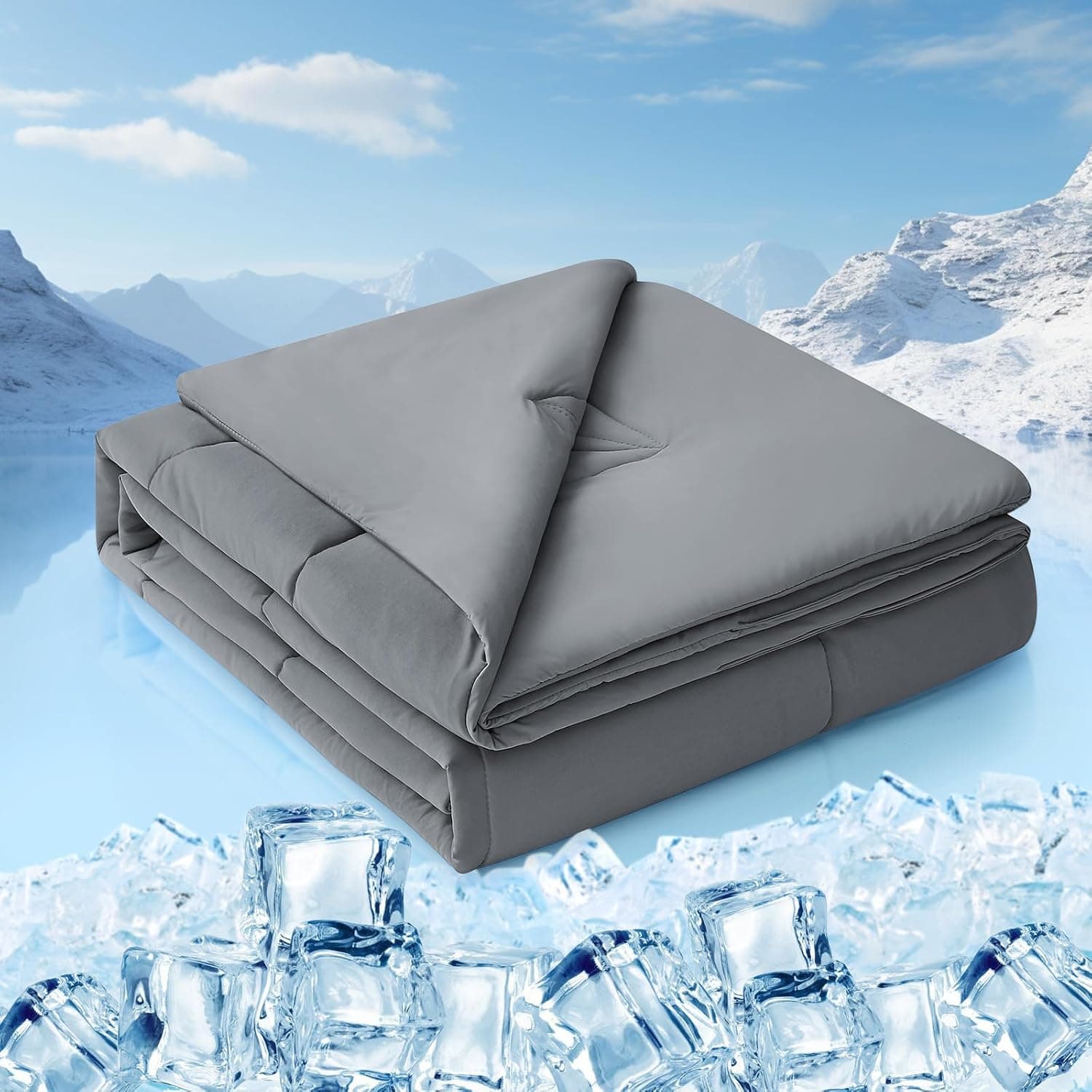
+ Q-Max 0.55 rating signals a strong cool-to-touch feel compared with ordinary fabric
From our guide: Best Cooling Comforters
Popular right now
- Best Standing Fan Placement in a BedroomArticle
- Cooling Sheet Fabrics ComparedArticle
- Humidity and SleepArticle
- Breathable Mattress Materials for Cooler SleepArticle
- Keeping Kids Cool at NightArticle
- Best Portable AC for BedroomBuying guide
Based on the last 28 days of search and visitor data.