Humidity and Sleep
Published How we research
Temperature gets all the attention when people talk about sleeping cool, but humidity is the hidden partner that often decides whether a room feels comfortable or oppressive. The same temperature can feel pleasant in dry air and stifling in humid air, because humidity controls how easily your body can cool itself. Understanding the role moisture plays, and keeping it in the right range, is one of the most overlooked ways to improve sleep, especially for people who run hot.
The reason humidity matters so much comes down to how your body sheds heat. You cool yourself largely by sweating, and sweat only cools you when it evaporates off your skin. In humid air, which is already saturated with moisture, sweat evaporates slowly or not at all, so it lingers on your skin, leaving you feeling sticky, clammy, and hotter than the thermometer suggests. This is why a humid night at 22 degrees can feel worse than a dry night at 25. High humidity effectively disables your main cooling system just when you need it.
The ideal bedroom humidity for sleep sits roughly between 40 and 60 percent. Within this range, your body can regulate temperature efficiently, your skin and airways stay comfortable, and the air feels neither muggy nor parched. A cheap hygrometer, often built into a combined thermometer, lets you see where your room actually stands, which is worth doing because most people dramatically misjudge humidity by feel alone. Once you know your number, you can decide whether to add moisture or remove it.
Too much humidity is the more common problem, particularly in summer, in humid climates, and in poorly ventilated rooms. Beyond making you feel hot and sticky, persistently high humidity encourages dust mites and mold, which can worsen allergies and asthma and further disrupt sleep. A dehumidifier is the most direct fix, pulling excess moisture from the air and often making a room feel several degrees cooler without changing the actual temperature. Good ventilation, using extractor fans, and avoiding drying laundry in the bedroom also help keep moisture down.
Too little humidity causes its own problems, especially in winter when heating dries out indoor air, or in arid climates. Very dry air can leave your throat, nose, and skin uncomfortably dry, cause you to wake with a scratchy throat, and aggravate breathing for some people. A humidifier restores moisture to a comfortable level, easing these symptoms and helping you sleep more soundly. The goal is balance: enough moisture to keep your airways comfortable, but not so much that sweat cannot evaporate.
Controlling humidity works hand in hand with the other cooling strategies. In a hot, humid climate, combining a dehumidifier or air conditioning with a fan is far more effective than a fan alone, because the fan moves air while the dehumidifier makes that air able to accept your sweat. Breathable, moisture-wicking bedding also matters more in humid conditions, since sheets that pull sweat away and dry quickly compensate for air that will not evaporate it. Ventilating in the cooler, often less humid evening hours brings in fresher air.
The practical step is simple: measure your bedroom's humidity, aim for the 40 to 60 percent range, and use a dehumidifier or humidifier as needed to get there. Pair humidity control with a cool temperature, good airflow, and breathable bedding, and you address both halves of the comfort equation instead of just the temperature. Many people who have fought overheating for years discover that the real culprit was muggy air all along, and that managing moisture transforms how their bedroom feels at night.
Products from this article
The highest-scoring picks from the buying guides mentioned above. Scores are our editorial assessment, not customer ratings.
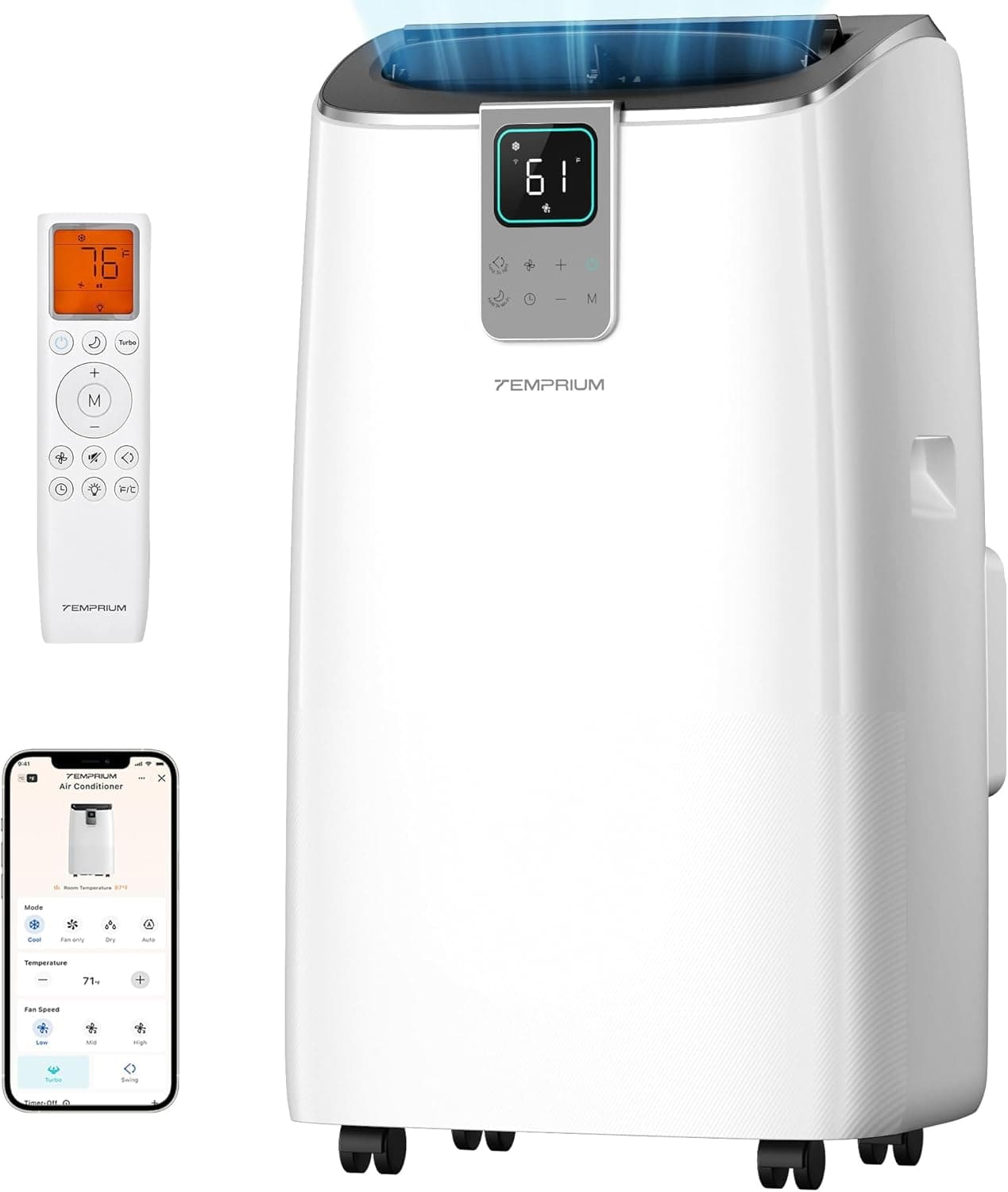
+ 41dB ultra quiet claim is low for a portable AC
From our guide: Best Portable Air Conditioners for Bedroom
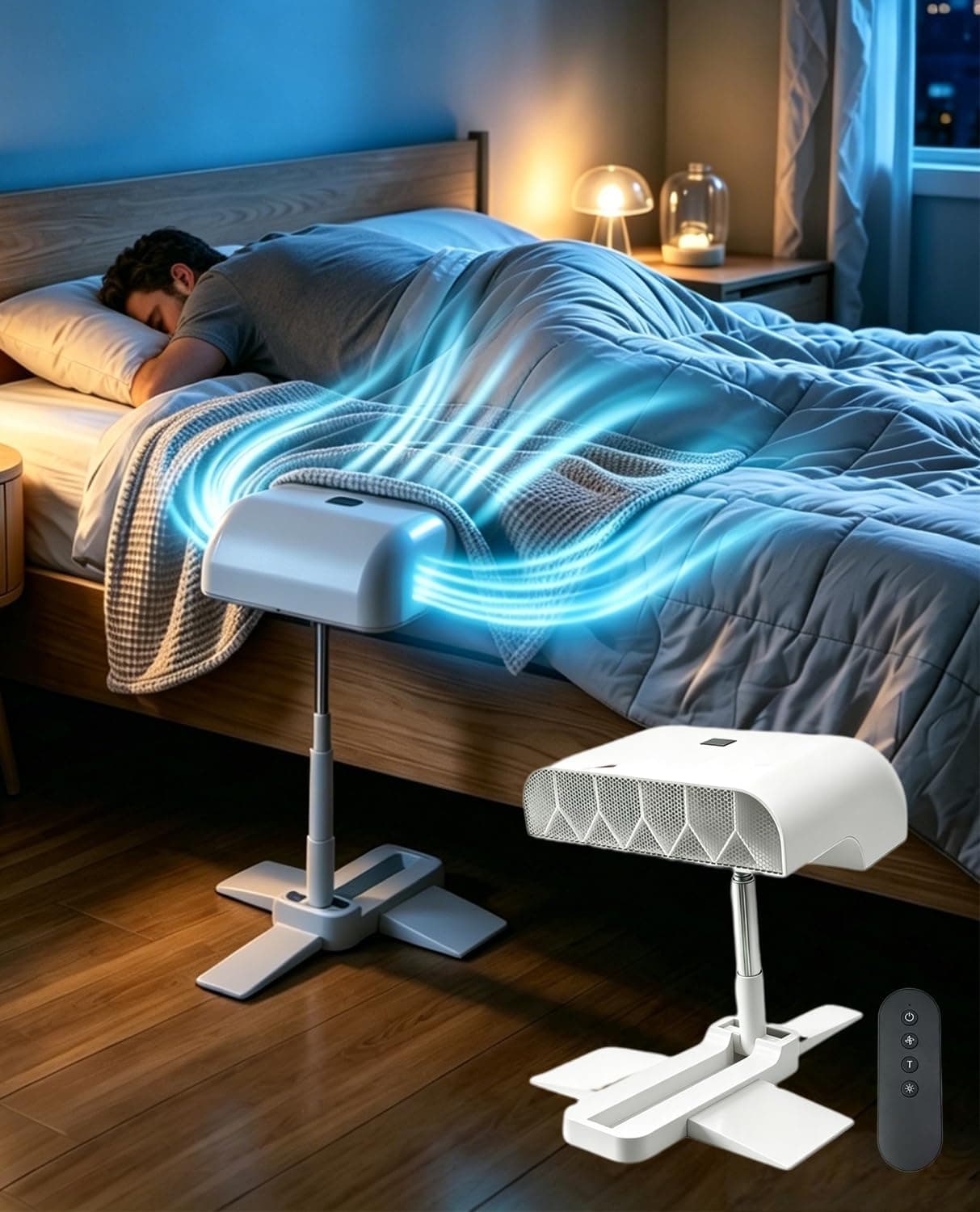
+ Cordless design with up to 22h runtime avoids a cable across the floor
From our guide: Best Cooling Bed Fans for Hot Sleepers (2026 Guide)
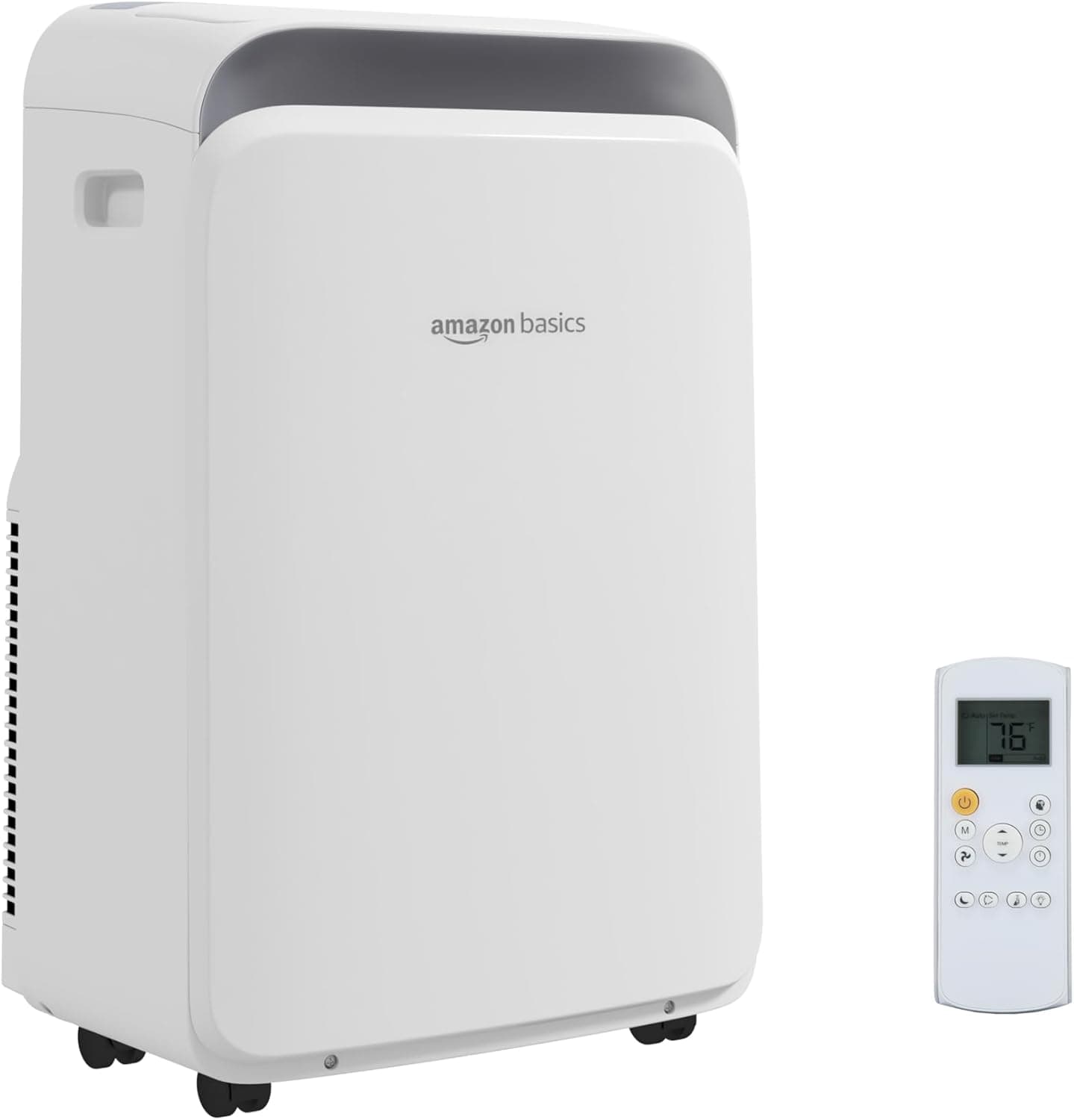
+ Follow Me remote senses temperature near you for better comfort
From our guide: Best Portable Air Conditioners for Bedroom
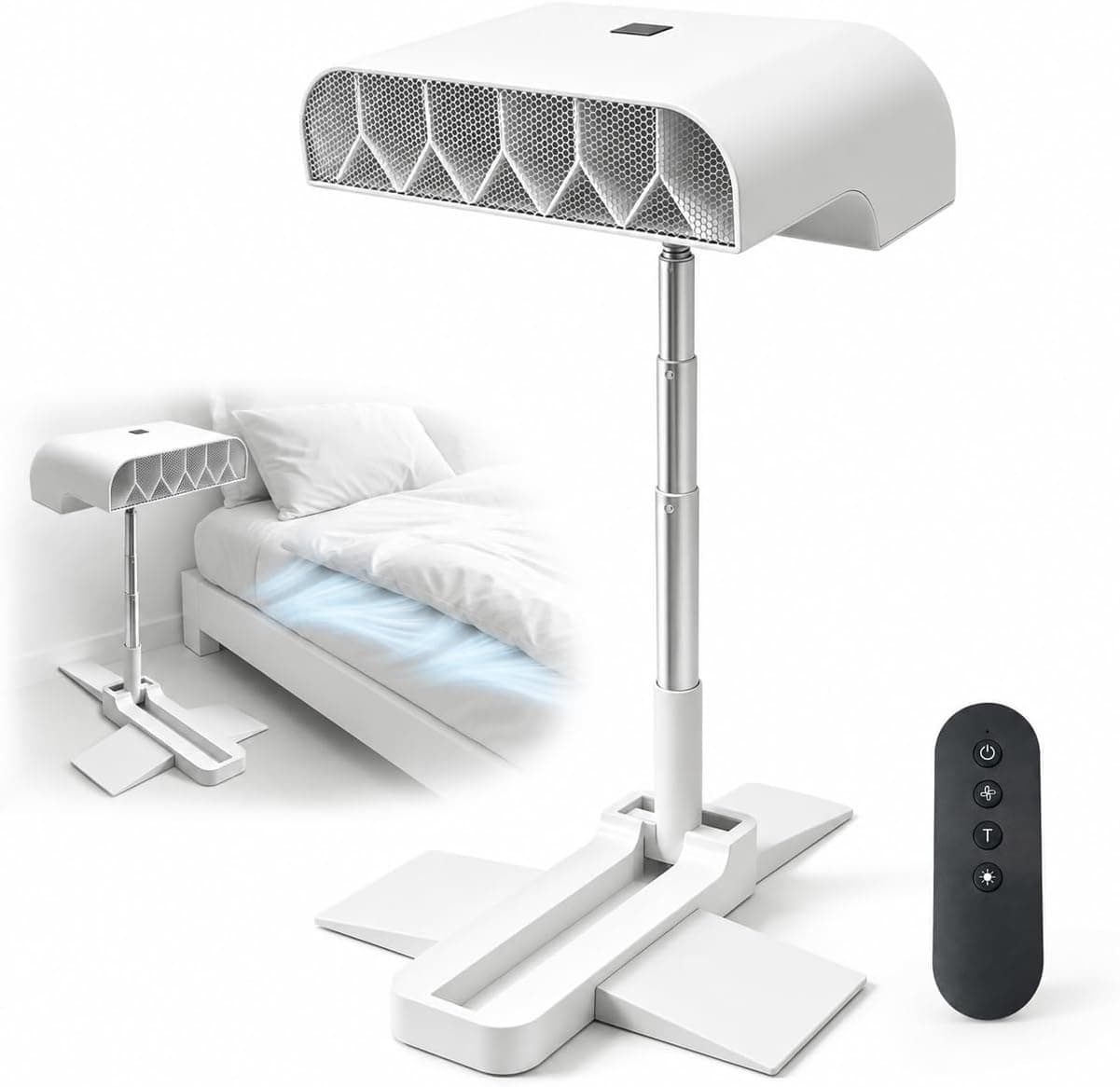
+ 5 speeds give flexible control from breeze to strong airflow
From our guide: Best Cooling Bed Fans for Hot Sleepers (2026 Guide)
Popular right now
- Best Standing Fan Placement in a BedroomArticle
- Cooling Sheet Fabrics ComparedArticle
- Best Portable AC for BedroomBuying guide
- Breathable Mattress Materials for Cooler SleepArticle
- Active Bed Cooling SystemsArticle
- Menopause Night SweatsArticle
Based on the last 28 days of search and visitor data.