Menopause Night Sweats
Published How we research
Keep the bedroom cool and well ventilated with a fan for when a hot flash strikes, and layer bedding in moisture-wicking fibers like linen, Tencel, or bamboo lyocell so you can shed covers without fully waking. Choose loose, breathable sleepwear, reduce alcohol, caffeine, and spicy food in the evening, and consider a cooling pillow or active bed cooling system if flashes are frequent. If night sweats are severely disrupting sleep and daily life, talk to a doctor about hormone therapy or non-hormonal treatment options. For many women, menopause and the years leading up to it bring some of the most disruptive night sweats of their lives. As estrogen levels fluctuate and decline, the body's internal thermostat becomes more sensitive, triggering hot flashes that can strike during the night and leave you throwing off the covers, soaked and wide awake. These episodes fragment sleep badly, and poor sleep in turn worsens mood, concentration, and daytime energy. While menopause itself cannot be paused, the way you set up your bedroom and routine can make a genuine difference to how you sleep through it.
Start with a cool, well-ventilated bedroom
The foundation is a cool, well-ventilated bedroom. Keep the room at the cooler end of the comfortable range, and run a fan both to lower the temperature and to move air across your skin so that when a hot flash hits, the sweat evaporates and cools you faster. Some women keep a small fan on the nightstand specifically to point at themselves during an episode. Blackout curtains and good evening ventilation help keep the room from starting the night too warm, which gives you more margin before a flash pushes you over the edge.
Bedding choices matter more now than ever
Bedding choices matter more during menopause than at any other time. Layer your bedding so you can shed and replace covers easily without fully waking, rather than relying on one heavy duvet. Choose sheets and duvet covers in moisture-wicking natural fibers such as linen, Tencel, or bamboo lyocell, which pull sweat away and dry faster than cotton and far better than polyester. A moisture-wicking mattress protector guards the mattress and keeps the surface from feeling damp. Keeping a spare set of sheets and a dry top nearby means a change after a heavy sweat is quick and less disruptive.
Sleepwear can help or hurt
Sleepwear can help or hurt. Loose, breathable fabrics let heat escape and sweat evaporate, so opt for lightweight cotton, bamboo, Tencel, or fine merino wool, which regulates temperature well. Avoid synthetic and clingy fabrics that trap heat and moisture. Some women find that minimal sleepwear works best so heat radiates away freely, while others prefer a thin wicking layer that absorbs the sweat of a flash and pulls it off the skin. Both are valid, so experiment to see which leaves you drier and more comfortable.
Evening routine and common triggers
Your evening routine and daytime habits influence how often and how severely flashes strike. Common triggers include alcohol, caffeine, spicy food, and large meals late in the day, so reducing these in the hours before bed can lessen night sweats. Staying hydrated helps your body regulate temperature, and keeping a glass of cool water by the bed gives you a quick way to cool down. Stress and anxiety can also trigger hot flashes, so a calming wind-down routine, whether that is gentle stretching, breathing exercises, or reading, supports both fewer flashes and easier sleep.
Cooling aids designed for hot sleepers
Cooling aids designed for hot sleepers can be especially useful during menopause. A cooling pillow or a phase-change cooling pad for the neck can take the edge off a flash, and for women whose sleep is severely affected, an active bed cooling system that circulates temperature-controlled water offers precise, adjustable relief and often a dual-zone option so a partner is not dragged into a freezing bed. These range from inexpensive to significant investments, so start with the simpler options and escalate only if needed.
Know when to seek professional help
Finally, know when to seek professional help. If night sweats are severely disrupting your sleep and daily life, talk to a doctor about options, which may include hormone therapy or non-hormonal treatments depending on your health and preferences. Menopause night sweats are common and treatable, and you do not have to simply endure years of broken sleep. Combine a cool, breathable bedroom with smart bedding, a calming routine, and medical advice where appropriate, and even this challenging phase becomes far more manageable at night.
Frequently asked questions
What bedroom setup helps most with menopause night sweats? A cool, well-ventilated room with a fan running, both to lower the temperature and to move air across your skin so sweat evaporates faster when a hot flash hits.
What bedding is best for menopause night sweats? Layer bedding so you can shed and replace covers easily, and choose moisture-wicking natural fibers like linen, Tencel, or bamboo lyocell over polyester.
What triggers should I avoid to reduce hot flashes at night? Alcohol, caffeine, spicy food, and large meals late in the day are common triggers; reducing these in the hours before bed can lessen night sweats.
Can a bed cooling system help with menopause hot flashes? Yes, an active bed cooling system that circulates temperature-controlled water can offer precise, adjustable relief, often with a dual-zone option so a partner is not affected.
Products from this article
The highest-scoring picks from the buying guides mentioned above. Scores are our editorial assessment, not customer ratings.
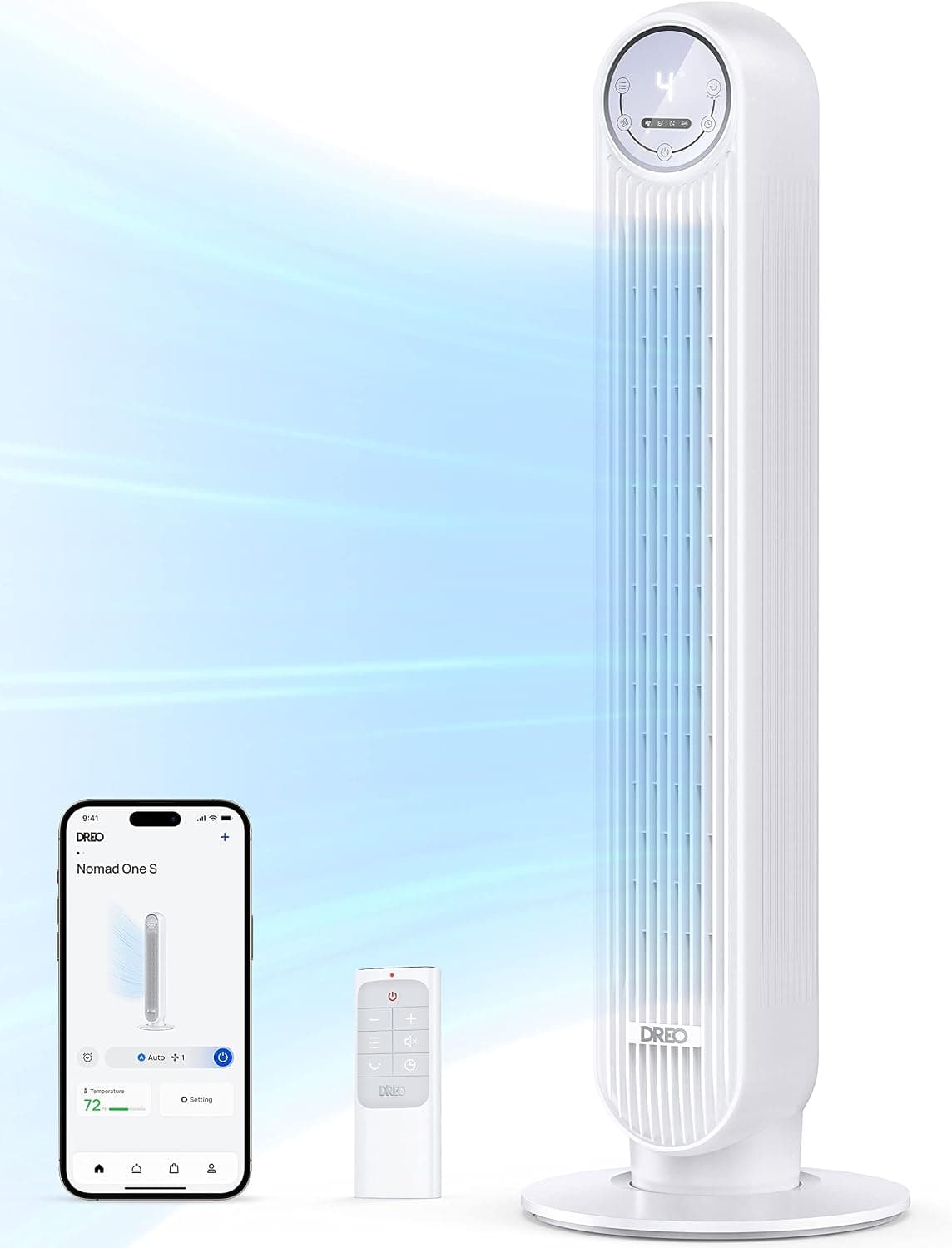
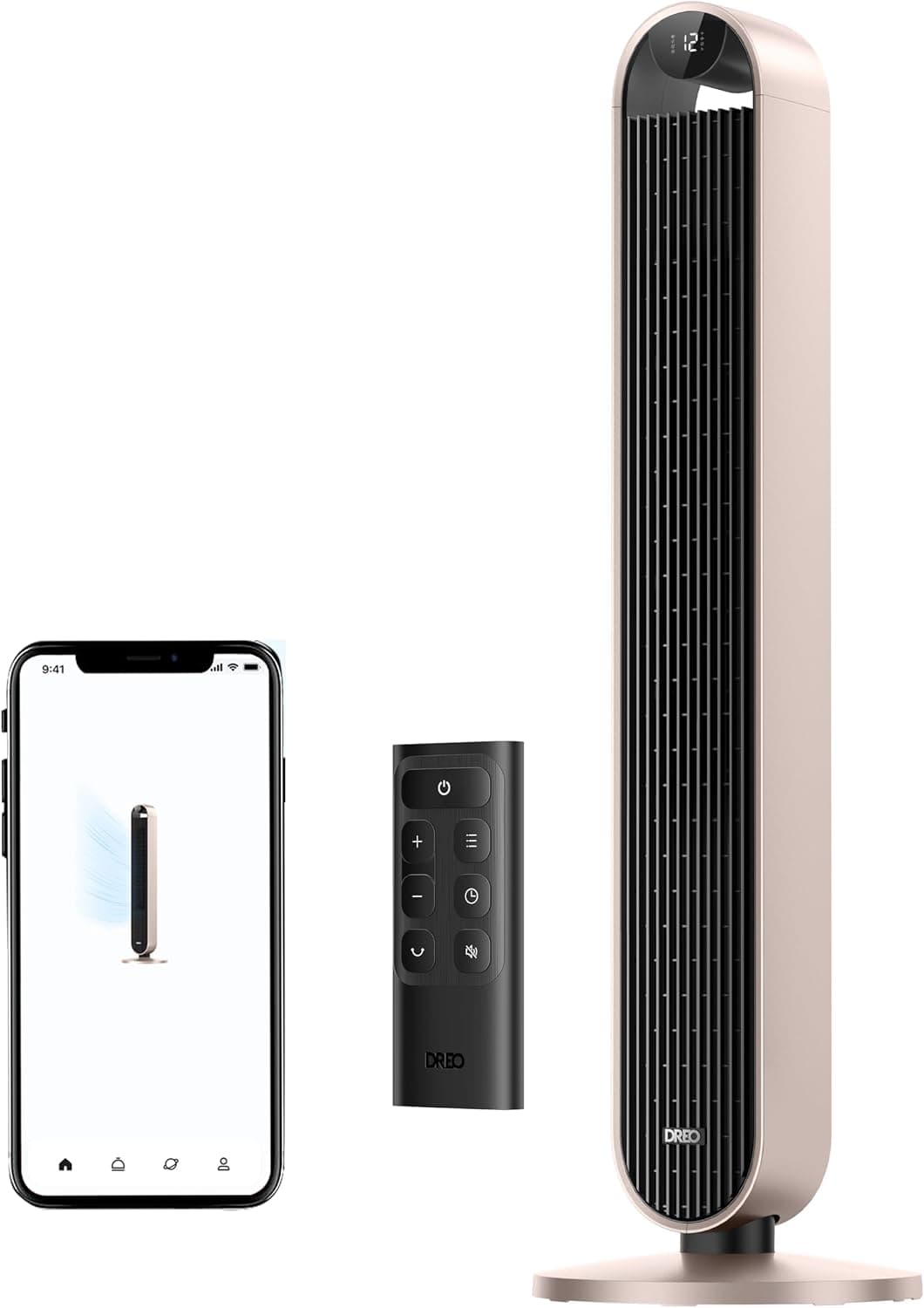
+ Works with both Alexa and Google assistants
From our guide: Best Smart Fans for Bedroom
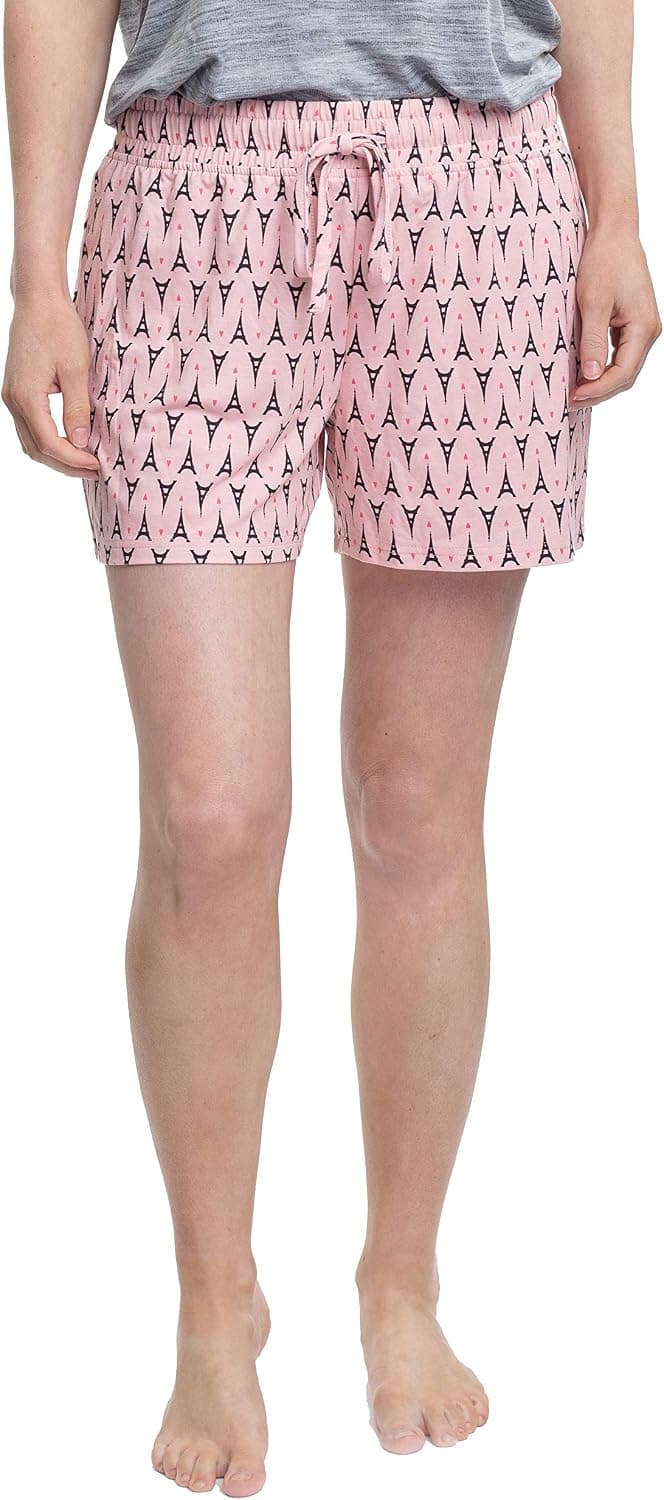
+ Moisture wicking fabric keeps sweat off the skin
From our guide: Best Cooling Sleep Shorts for Women
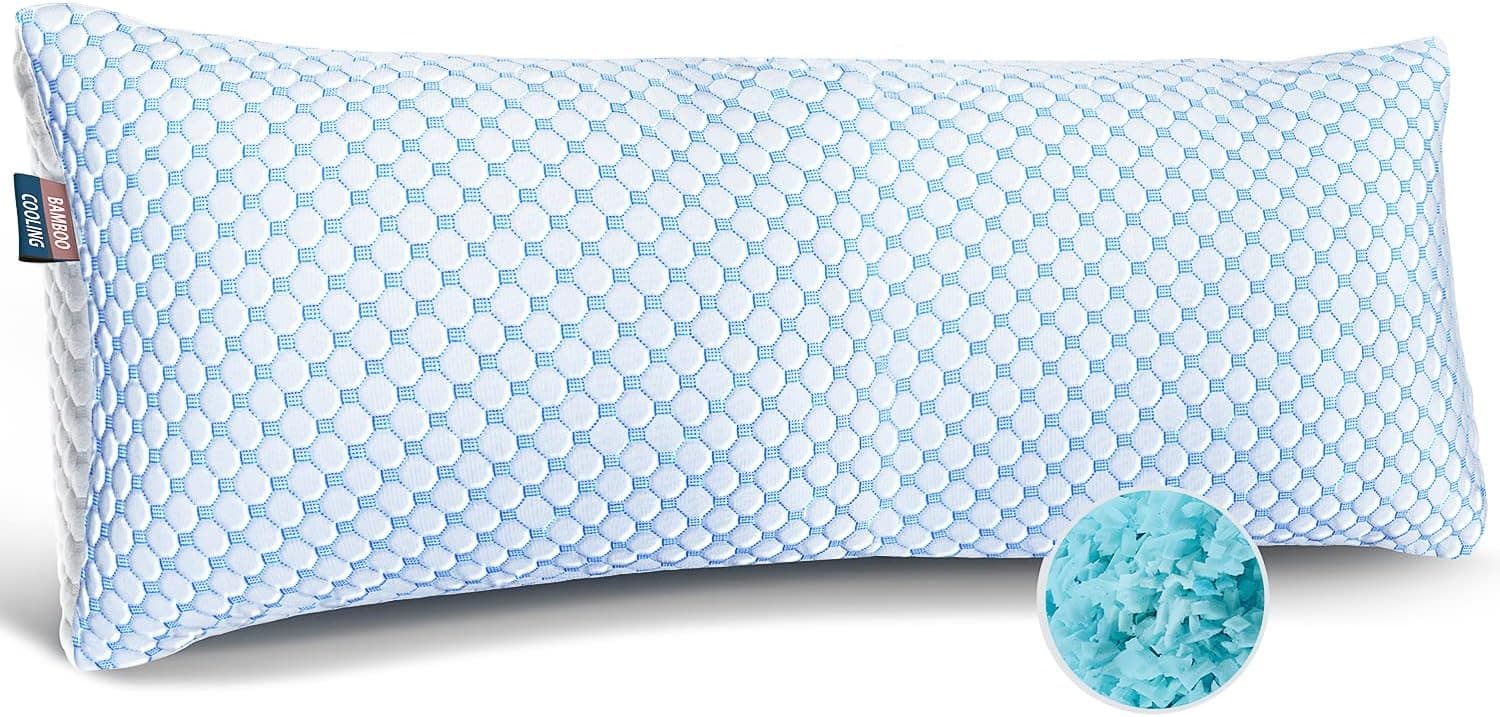
+ Cold gel mixed into the fill keeps the pillow feeling cooler
From our guide: Best Cooling Body Pillows
+ WiFi and voice control let you adjust the fan without the remote
From our guide: Best Smart Fans for Bedroom
Quick answers
What bedding helps with night sweats from hot flashes?
Moisture-wicking sheets such as lyocell or bamboo, a lightweight breathable blanket you can throw off quickly, and a cooling mattress topper help most. Layers you can adjust during the night work better than one heavy comforter.
When should night sweats be checked by a doctor?
See a doctor if night sweats are new, severe, soak your bedding regularly, or come with fever, weight loss or other symptoms. Bedding helps comfort but does not treat the cause.
Popular right now
- Best Standing Fan Placement in a BedroomArticle
- Cooling Sheet Fabrics ComparedArticle
- Humidity and SleepArticle
- Breathable Mattress Materials for Cooler SleepArticle
- Keeping Kids Cool at NightArticle
- Best Portable AC for BedroomBuying guide
Based on the last 28 days of search and visitor data.