Percale vs Sateen Sheets: Which Is Cooler for Hot Sleepers?
Published How we research
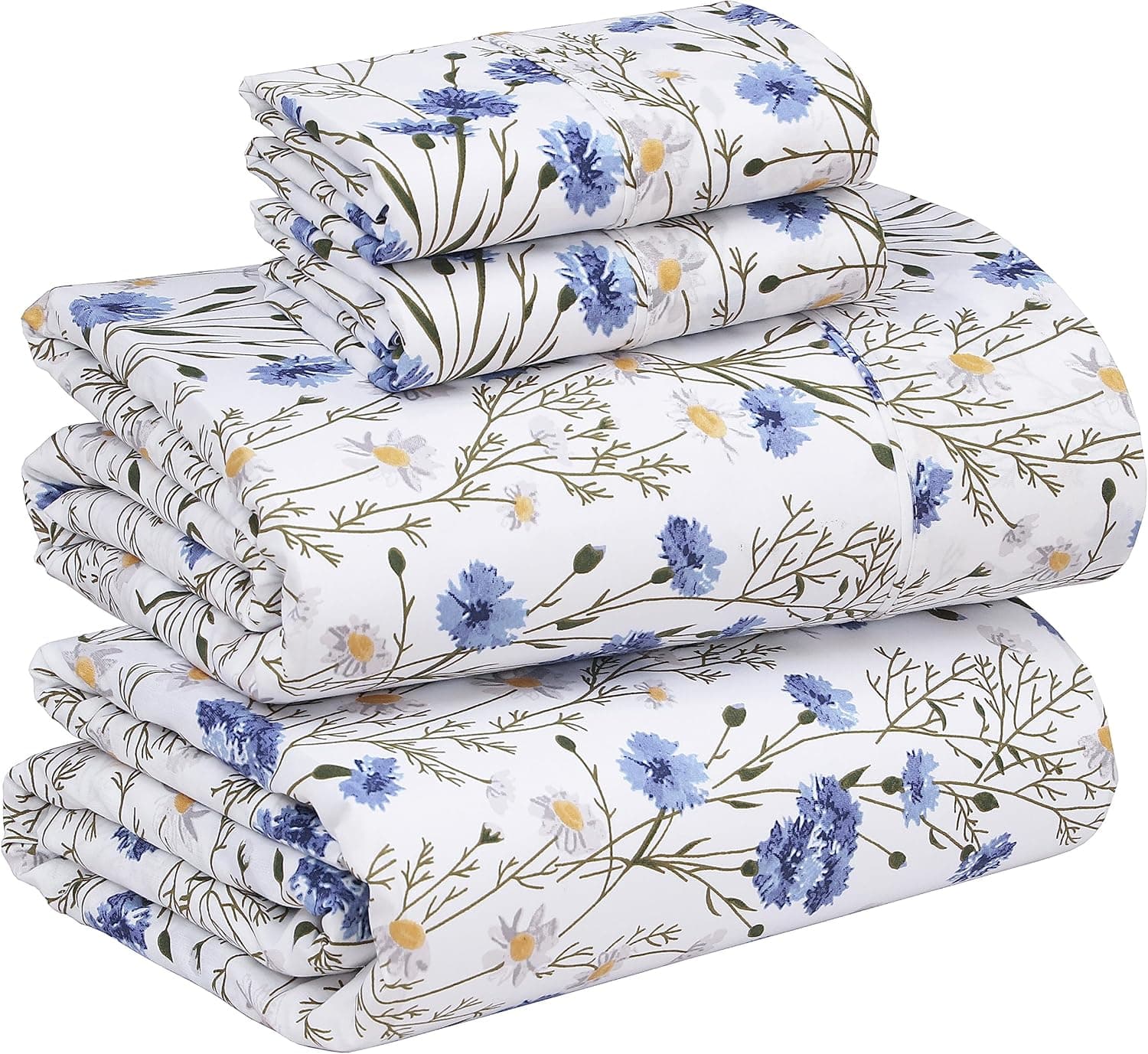
Percale sleeps cooler than sateen for most people. Percale is a plain one-over-one-under weave that is crisp and airy, while sateen floats more threads on the surface, which makes it smoother, heavier-feeling and a little warmer. Both can be 100% cotton at the same thread count, so the weave, not the fiber, is what you are choosing between. Below is how they compare on airflow, feel, durability and care, and which to pick if you run hot.
Products from this article
The highest-scoring picks from the buying guides this article links to. Scores are our editorial assessment, not customer ratings.
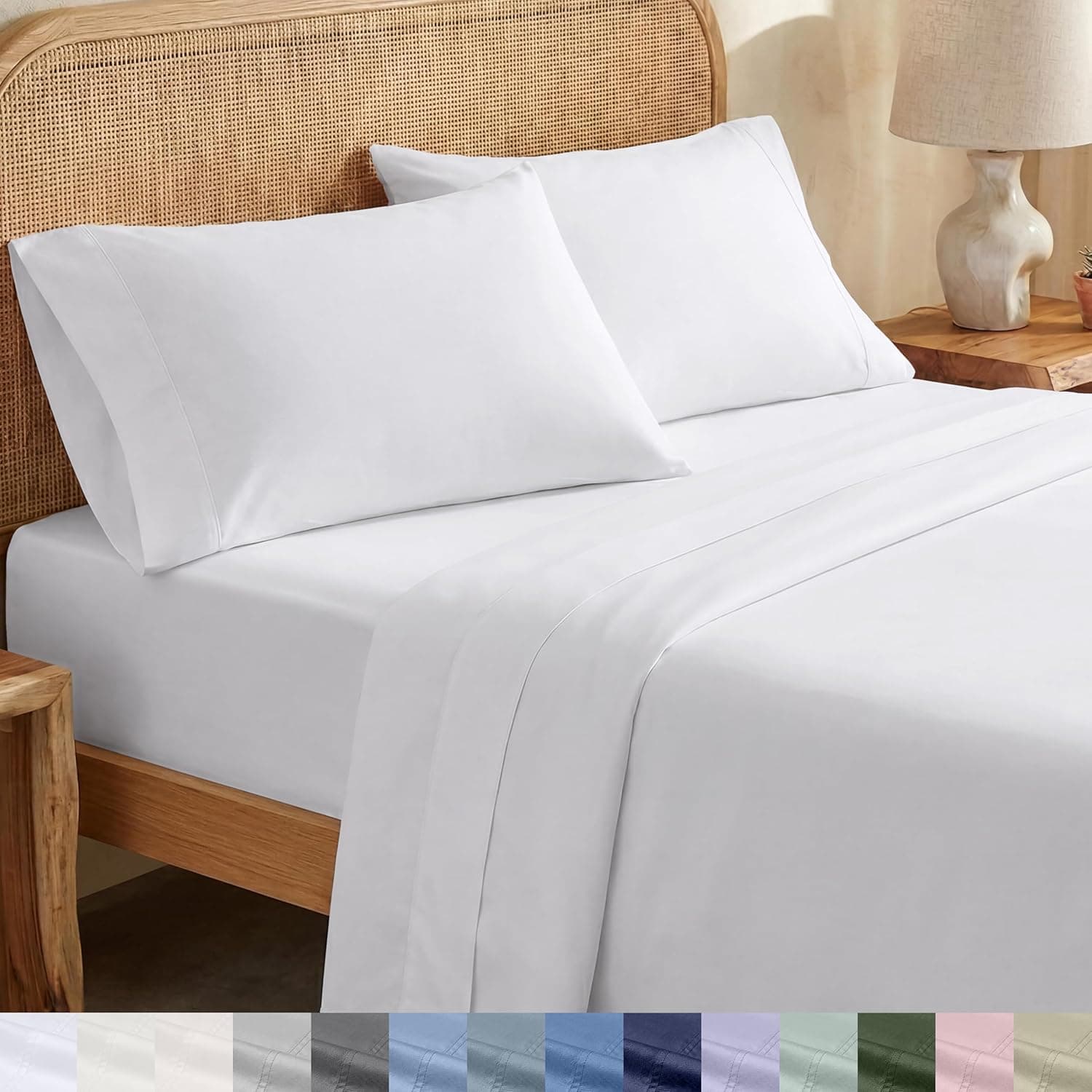
+ Cotton percale weave is crisp and breathable for hot sleepers
From our guide: Best Percale Cooling Sheets
+ Crisp percale weave is one of the coolest cotton weaves for summer
From our guide: Best Cooling Sheets
+ Percale weave is crisp and airy, one of the coolest cotton weaves
From our guide: Best Organic Cotton Cooling Sheets
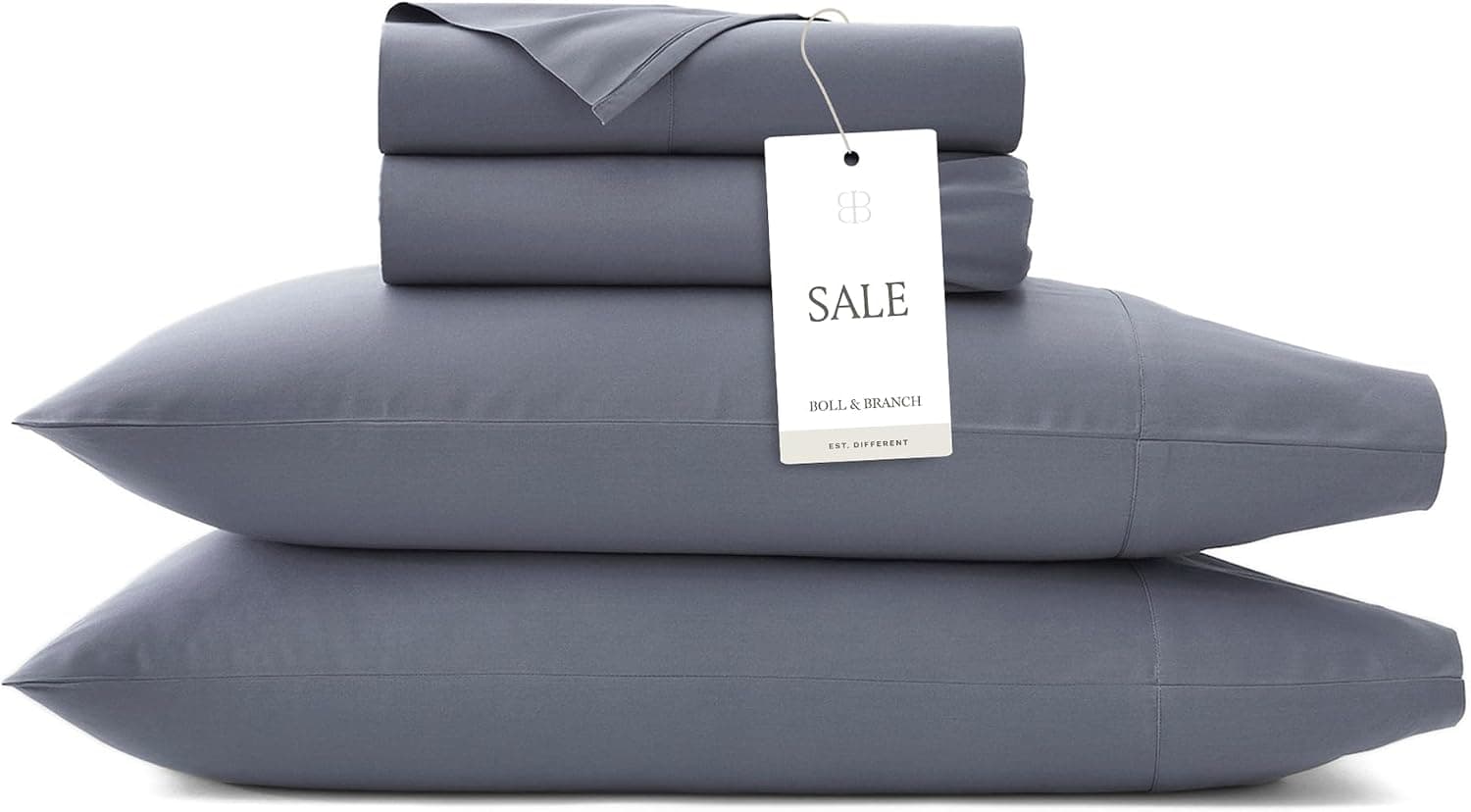
+ Mineral color is a soft blue-grey that hides wear
From our guide: Best Percale Cooling Sheets

What the two weaves actually are
Percale and sateen are both weaves, not fibers. A percale sheet is woven with a plain pattern: each weft thread passes over one warp thread and under the next. That produces a flat, matte, tightly interlaced fabric with small gaps that let air and moisture move through. By common industry convention, percale is a balanced weave of at least 180 threads per square inch.
A sateen sheet uses a satin-style structure, usually four threads over and one under. The longer floats of yarn lie on the surface, so the fabric reflects more light, feels silky and drapes closer to the body. The same float structure packs more yarn into the same space, which is one reason sateen often carries a higher thread count and a denser hand.
Which one sleeps cooler
Percale wins for heat. The plain weave stays slightly open and holds a thin layer of air between the sheet and your skin, and the crisp surface lifts off the body instead of clinging. Most hot sleepers describe percale as feeling cool when they first get into bed and staying dry through the night.
Sateen is not a hot fabric, but it is a warmer one. The dense, smooth surface sits flatter against you, traps less air and feels a little heavier. If you sleep warm in summer or live in a hot climate, the difference is noticeable. In a cool bedroom, or if you only run warm occasionally, sateen is perfectly comfortable.
If your percale sheets still feel warm, the weave is rarely the whole story. Thread count, a heavy comforter, a foam topper and bedroom temperature all contribute, and fabric choice only moves the needle so far.
How they feel against the skin
Percale feels crisp, dry and slightly textured, a bit like a freshly pressed cotton shirt or a hotel bed. It softens with washing but never becomes silky. Some people love the cool snap of it, and others find it scratchy at first.
Sateen feels smooth, soft and a touch slippery from the first night, with a gentle sheen. It is the better pick if you want a bed that feels cozy and drapes well. The trade-off is that the same smoothness that feels luxurious can feel clingy when you are overheated.
Washing changes both. Garment-washed or prewashed cotton in either weave starts softer and more relaxed, which can narrow the gap if you find new percale too stiff.
A practical way to judge a sheet before you buy is to read the listing for the weave name, the fiber and the finish rather than the thread count alone. Look for the word percale or sateen, 100% cotton, and any mention of prewashing or garment washing. If a listing mentions none of these, you are guessing at the feel, and a sheet that is vague about its weave is usually vague about everything else too.
Thread count, durability and care
Thread count is not a quality score on its own. Percale is typically best in the 200 to 400 range, where it stays light and breathable. Sateen is commonly sold between 300 and 600. Going much higher in either weave usually means thicker, finer yarns packed tighter, which adds weight and reduces airflow rather than improving cooling.
Percale tends to wear well because its plain weave is tight and balanced, resists pilling, and holds up to frequent washing. Sateen is a little more delicate: the long surface floats can snag or pill sooner, and the sheen can dull with hot washing and high-heat drying.
Care for both is simple: machine wash in cool or warm water and tumble dry low. Percale wrinkles easily and looks best if you take it out of the dryer promptly. Sateen wrinkles less. Wash new sheets before first use, since cotton can shrink a little the first time.
Which to choose
Choose percale if you sleep hot, live somewhere warm, or like a crisp, dry feel. It is also the safer choice if you use a heavy comforter or a memory foam topper that already holds heat.
Choose sateen if you sleep neutral or cold, keep the room cool, or want a smoother, more luxurious surface. A sateen duvet cover on a lightweight comforter is a reasonable compromise, since your skin touches the sheet rather than the cover.
If you are undecided, buy percale sheets and a sateen duvet cover or the reverse, and see which layer matters more to you. The sheet touches you directly all night, so it has the bigger effect on how warm you feel.
Frequently asked questions
Is percale or sateen better for night sweats? Percale, in most cases. It lets moisture and heat escape more easily. For heavy night sweats, a moisture-wicking fabric may do better than either cotton weave.
Does a higher thread count make sheets cooler? No. Past a moderate range, a higher count mostly means a denser, heavier fabric. Look at the weave and fiber first.
Can sateen be 100% cotton? Yes. Sateen describes the weave, so cotton sateen is common, and it differs from satin, which is usually polyester or silk.
What does percale mean on a sheet label? It means a plain, balanced weave, usually crisp and matte, and typically the coolest of the common cotton weaves.
Popular right now
- Best Standing Fan Placement in a BedroomArticle
- Bed cooling system explainedGlossary
- Cooling Sheet Fabrics ComparedArticle
- Best Portable AC for BedroomBuying guide
- Humidity and SleepArticle
- Buckwheat hull pillow explainedGlossary
Based on the last 28 days of search and visitor data.