Why Your Cooling Sheets Stopped Feeling Cool
Published How we research
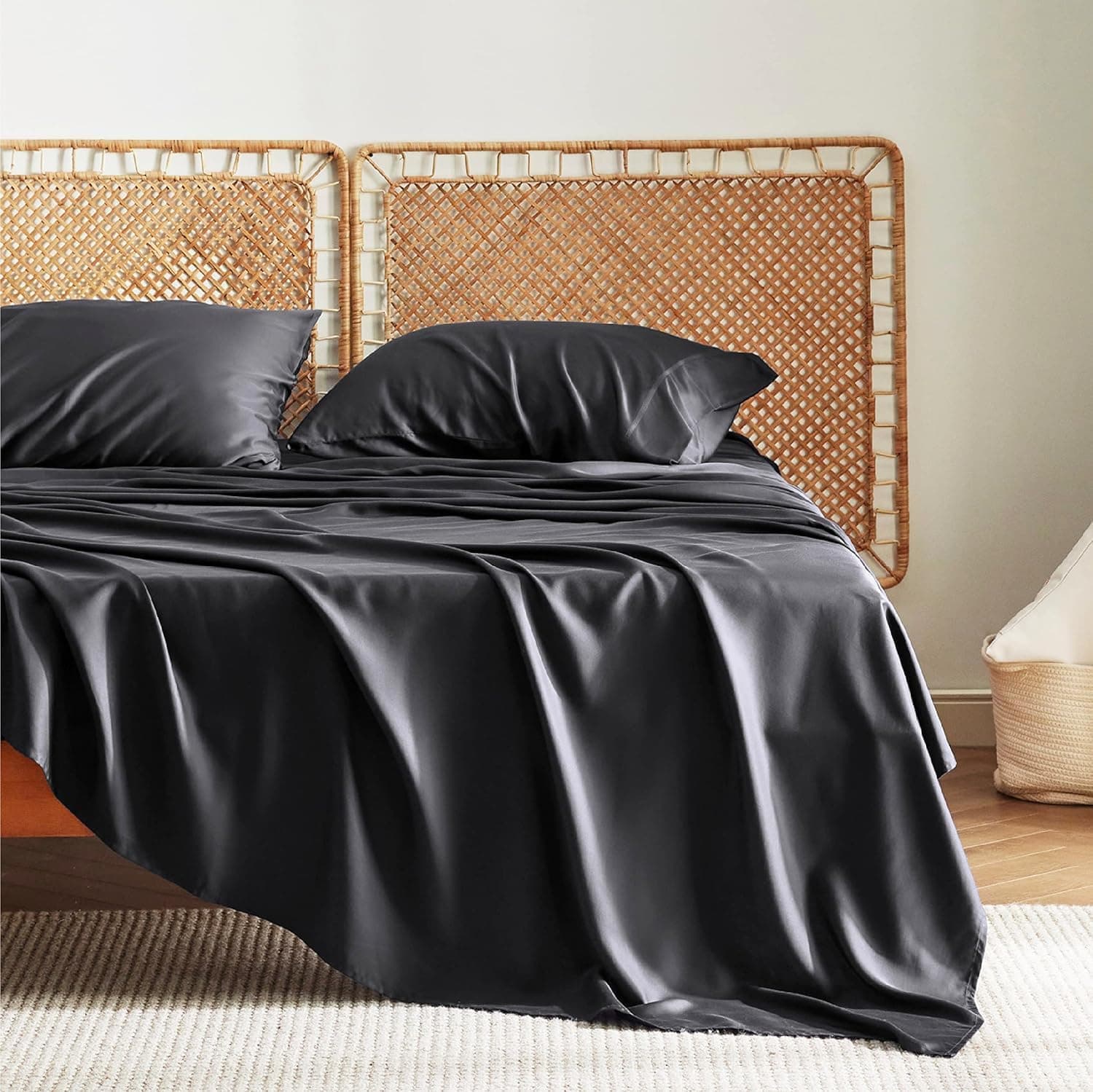
Cooling sheets often feel wonderful for the first few weeks, then gradually feel warmer or stickier. Usually the fabric has not changed; residue from laundry products, drying heat or what sits between you and the sheet has reduced breathability and moisture wicking.
Fabric softener and detergent buildup
Fabric softener and dryer sheets coat fibres with a waxy layer that makes them feel soft but blocks airflow and slows moisture wicking. Lyocell, bamboo viscose and performance fabrics are especially affected.
Too much detergent leaves residue as well. Use the recommended amount, skip softeners and dryer sheets, and add an extra rinse cycle if your sheets feel slick or smell of product.
Heat damage in the dryer
High dryer heat can weaken and flatten fibres in lyocell, bamboo and microfiber sheets, reducing their smooth, cool feel and causing pilling. Many cooling sheets recommend low heat or line drying.
Remove sheets promptly while slightly damp and smooth them on the bed or hang them. Over-drying makes fabric stiffer and less breathable.
What is under and over the sheet matters
A cooling sheet on a non-breathable waterproof mattress protector or a dense memory foam topper cannot move heat away effectively. The protector traps warmth before the sheet has a chance to help.
Heavy comforters, flannel pillowcases and polyester pajamas also cancel out breathable sheets. Pair cooling sheets with breathable layers throughout the bed.
Restore sheets with a reset wash
Wash the sheets on their own in warm water, within the care label limits, with a small amount of detergent and an extra rinse. Some people add a half cup of white vinegar to the rinse to help remove residue; check the fabric care guidance first.
Dry on low heat or line dry and avoid any softening products afterwards. The cool, smooth feel often returns after one or two reset washes.
When sheets are simply worn out
Heavy pilling, thin areas and fabric that feels rough even after residue removal suggest the sheets are nearing the end of their life. Rotating two sets reduces wear on each.
If you still sleep hot with good sheets, the cause may be the mattress, room temperature or humidity, and cooling sheets alone may not be enough.
Match sheets to how you sleep
Different cooling fabrics suit different sleepers. Lyocell and bamboo viscose feel cool and smooth and wick sweat, which suits people who wake damp. Percale cotton and linen breathe exceptionally well, which suits people who feel trapped heat rather than sweat.
If you tried one type and still overheated, a different fibre or weave may work better than a new set of the same material. Sleeping position matters too: back and side sleepers pressed into a soft mattress lose less heat through the sheet than people who sleep lightly on a firm surface.
Products from this article
The highest-scoring picks from the buying guides mentioned above. Scores are our editorial assessment, not customer ratings.
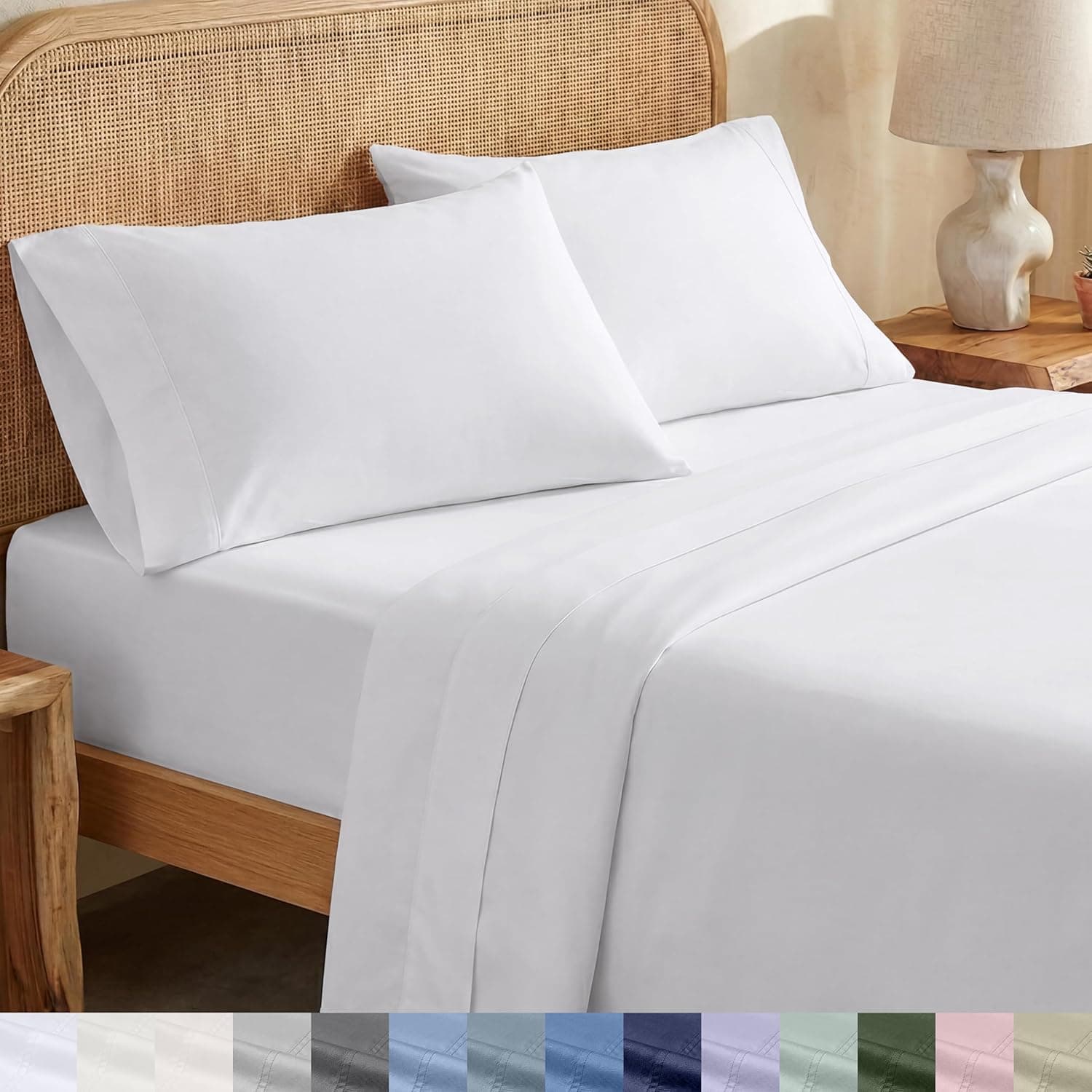
+ Crisp percale weave is one of the coolest cotton weaves for summer
From our guide: Best Cooling Sheets
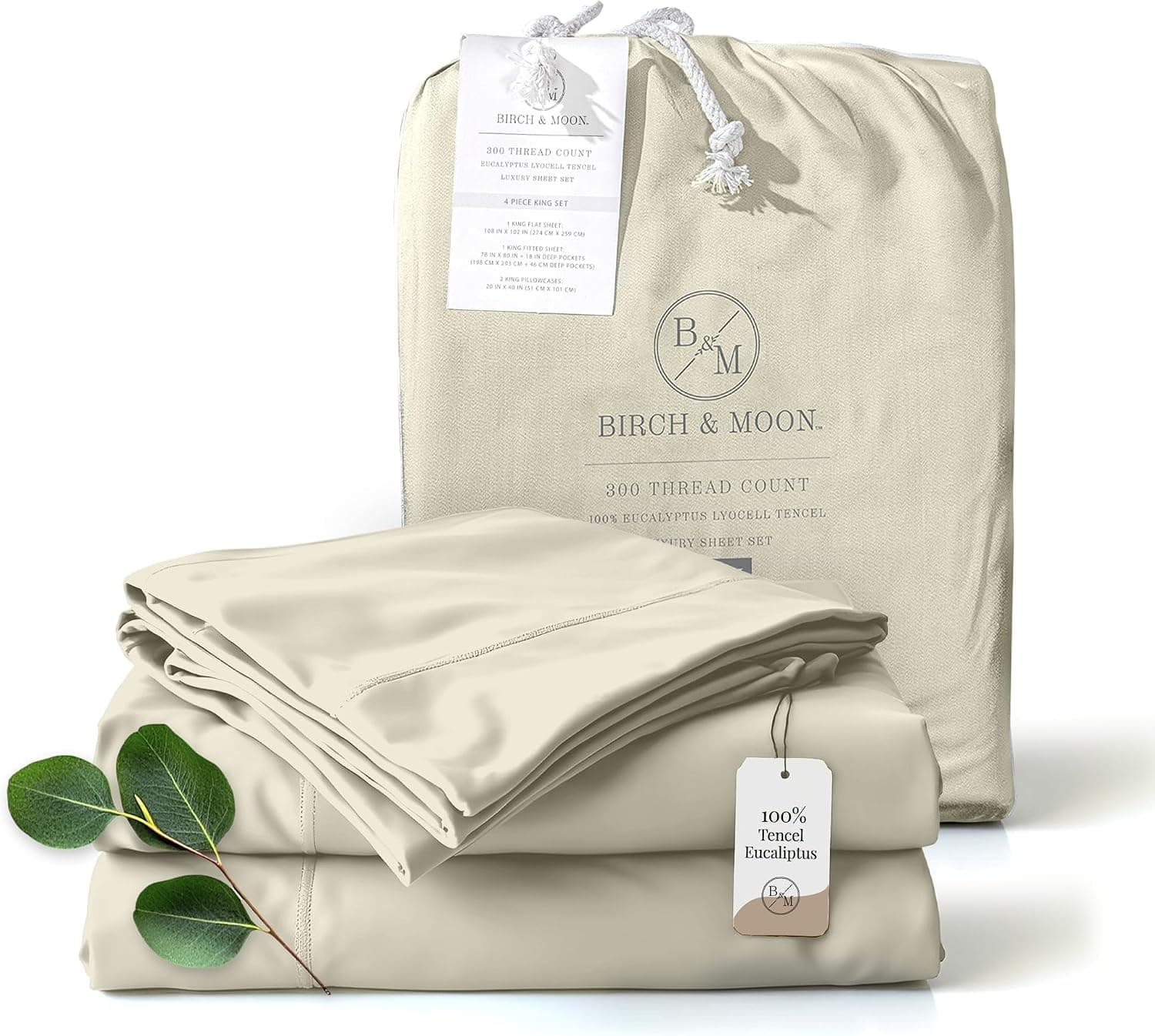
+ 100% Tencel lyocell is smooth and cool and handles moisture well
From our guide: Best Eucalyptus Lyocell Sheets
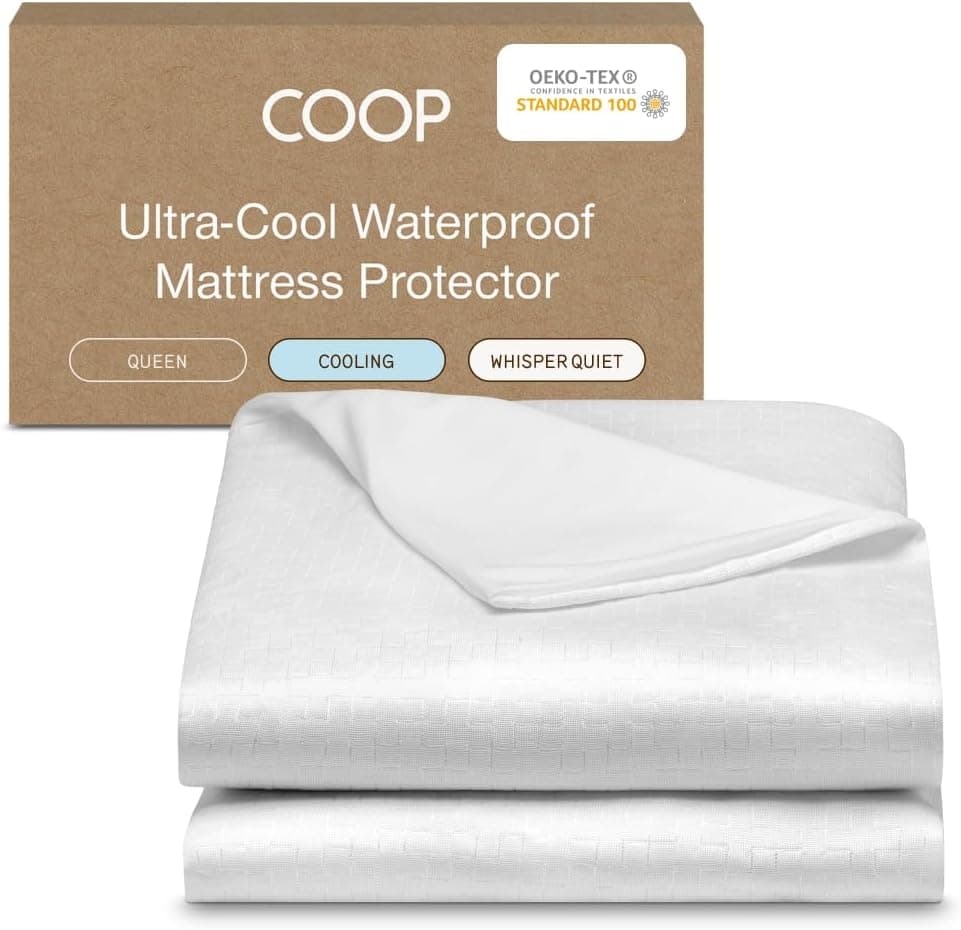
+ Ultra-Cool fabric is designed to feel cool while still blocking liquids
From our guide: Best Cooling Mattress Protectors
+ Bamboo rayon feels cool and smooth, a common pick for hot sleepers
From our guide: Best Cooling Sheets
Popular right now
- Best Standing Fan Placement in a BedroomArticle
- Cooling Sheet Fabrics ComparedArticle
- Humidity and SleepArticle
- Breathable Mattress Materials for Cooler SleepArticle
- Keeping Kids Cool at NightArticle
- Best Portable AC for BedroomBuying guide
Based on the last 28 days of search and visitor data.