Why You Sleep Hot and How to Fix It
Published How we research
Sleeping hot comes down to two things: how much heat your body produces, driven by physiology, hormones, and medications, and how much heat your bedding and room let escape. Fix it by swapping synthetic sheets and dense memory foam for breathable natural fibers and a ventilated mattress, keeping the bedroom between 15 and 19 degrees Celsius with a fan running, and adjusting your evening routine with a warm pre-bed shower, hydration, and avoiding alcohol and heavy meals late at night. Most hot sleepers need three or four small changes stacked together rather than one miracle product. Sleeping hot is not a character flaw or a sign that you are doing something wrong. It is the result of how your body regulates temperature at night, combined with the environment you sleep in. To fall asleep, your core temperature naturally needs to drop by about one to two degrees. If heat cannot escape your body fast enough, that drop stalls, and you end up lying awake feeling sticky, restless, and frustrated. Once you understand the mechanics, the fixes become obvious rather than random experiments.
Factor one: your own physiology
The first factor is your own physiology. People with higher muscle mass, faster metabolisms, or certain hormonal patterns simply produce more heat. Hormonal shifts around menstruation, pregnancy, and menopause change your internal thermostat dramatically. Medications such as antidepressants, blood pressure drugs, and some steroids can also raise body temperature or trigger sweating. Alcohol before bed is a common culprit too, because it dilates blood vessels and disrupts the temperature drop that deep sleep depends on. None of these are things you can switch off, but knowing they apply to you helps you compensate elsewhere.
Factor two: heat that gets trapped, not produced
The second factor, and the one most people control least well, is heat that gets trapped rather than heat that gets produced. Memory foam is notorious here because it hugs your body and cuts off airflow around your skin. Polyester sheets, thick mattress toppers, and heavy duvets all act like insulation, holding warmth against you instead of letting it dissipate into the room. Even a well-meaning partner or a pet on the bed adds another radiating heat source a few inches away. If you produce a normal amount of heat but your bedding refuses to release it, you will still overheat.
Fix it from the skin outward
The fix starts with the layers closest to your skin and works outward. Swap synthetic sheets for breathable natural fibers such as cotton percale, linen, or bamboo-derived viscose, which move moisture and air far more effectively. Choose a mattress with coils or a breathable foam structure rather than dense memory foam, or add a firm, ventilated topper if replacing the mattress is not realistic. Lighten your duvet seasonally and keep a thinner blanket within reach so you can adjust without waking fully. Small material changes often deliver bigger results than expensive gadgets.
Manage the room itself
Next, manage the room itself. The ideal bedroom temperature for most sleepers sits between 15 and 19 degrees Celsius, cooler than most people keep their homes in the evening. A fan does more than lower temperature; it moves air across your skin so sweat evaporates and carries heat away. Blackout curtains keep afternoon sun from baking the room before you even get in. If you live somewhere humid, a dehumidifier can make a stuffy room feel dramatically cooler because dry air lets sweat evaporate freely.
Adjust your pre-sleep routine
Finally, adjust your pre-sleep routine to help your body do its part. A warm shower an hour or two before bed sounds counterintuitive, but it triggers a rebound cooling effect as blood rushes to the skin and then releases heat. Keep your feet uncovered or use them to regulate temperature, since the feet are rich in blood vessels that shed heat quickly. Avoid heavy meals, caffeine, and alcohol in the hours before sleep. Stay hydrated through the day so your body sweats efficiently without leaving you parched at 3am.
Treat it as a system, not a mystery
Sleeping hot is almost always fixable once you treat it as a system rather than a mystery. Identify which heat sources apply to you, remove the ones that trap warmth, cool and ventilate the room, and give your body the cues it needs to lower its core temperature. Most hot sleepers do not need one miracle product; they need three or four small changes that stack together into a genuinely cooler night.
Frequently asked questions
Why do I sleep hot even in a cool room? Often because your bedding traps heat rather than letting it escape. Memory foam, polyester sheets, and heavy duvets act like insulation, holding warmth against your skin regardless of room temperature.
What is the ideal bedroom temperature for sleep? Most sleepers do best between 15 and 19 degrees Celsius, cooler than most homes are kept in the evening. A fan also helps by moving air across your skin so sweat evaporates.
Does taking a warm shower before bed help you sleep cooler? Yes, counterintuitively. A warm shower an hour or two before bed triggers a rebound cooling effect as blood rushes to the skin and then releases heat.
What bedding change makes the biggest difference for hot sleepers? Swapping synthetic sheets and dense memory foam for breathable natural fibers like cotton percale, linen, or bamboo viscose, and a mattress with better airflow, typically delivers the biggest improvement.
Products from this article
The highest-scoring picks from the buying guides mentioned above. Scores are our editorial assessment, not customer ratings.
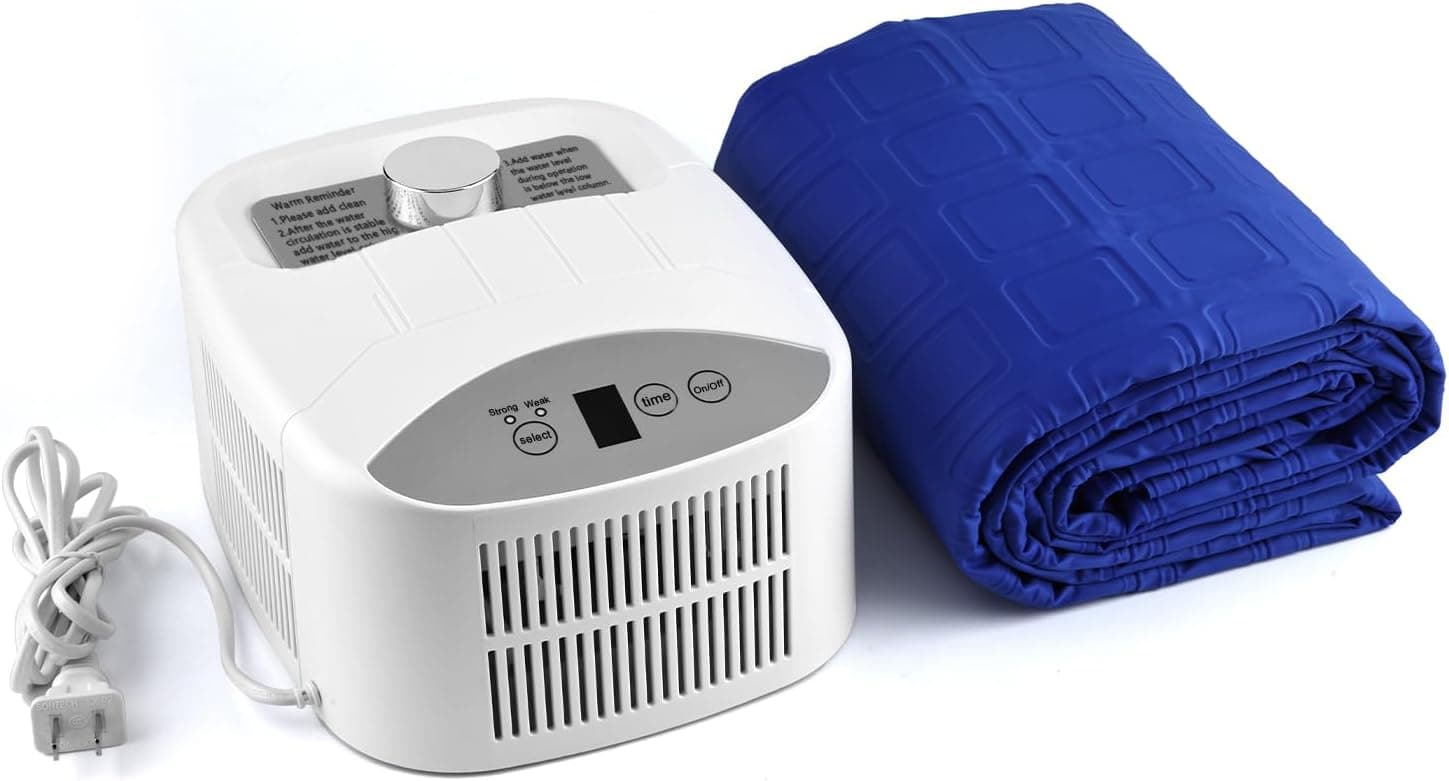
+ 100% cotton surface feels more natural than plastic-feeling pads
From our guide: Best Water Cooling Mattress Pads for Hot Sleepers
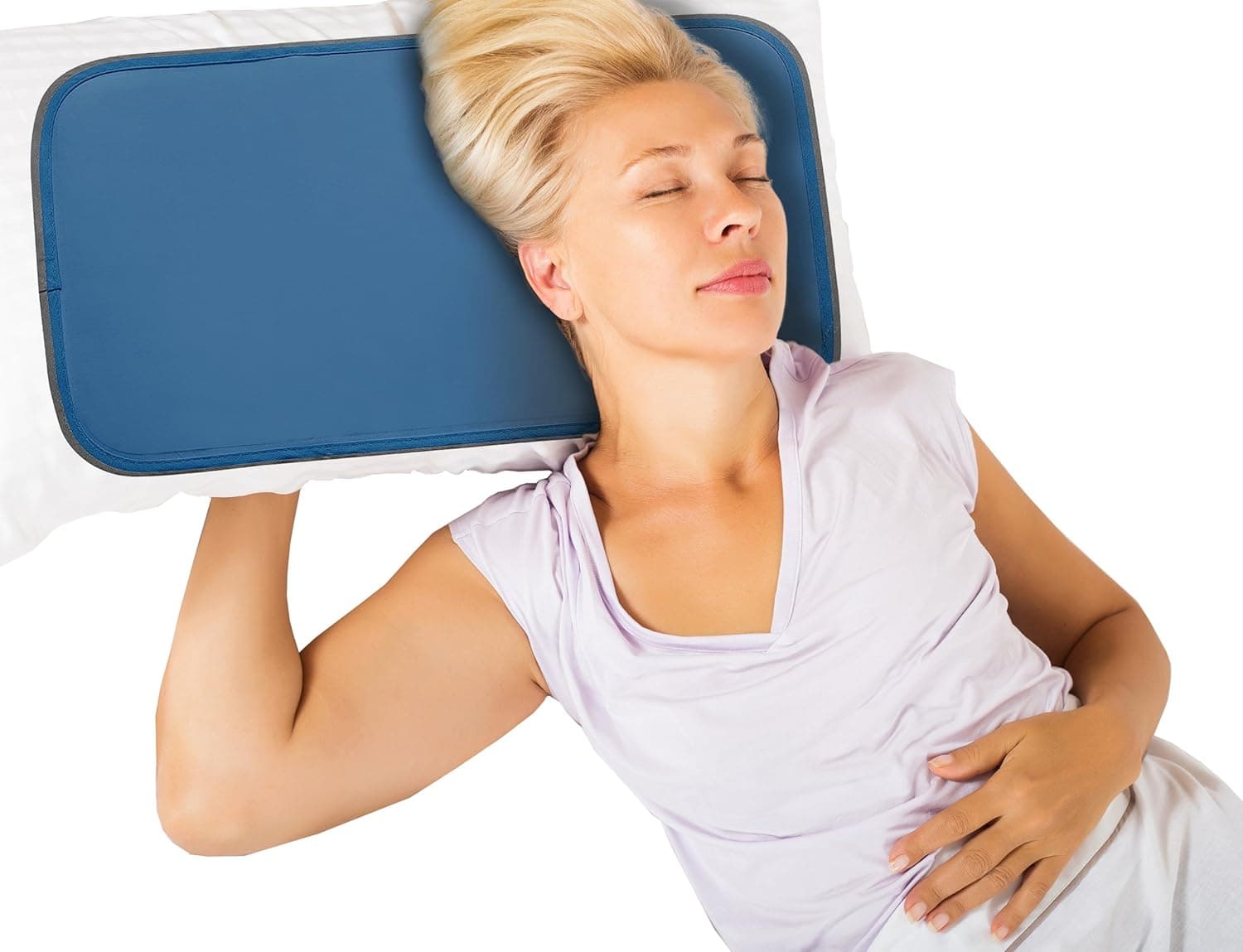
+ Pressure-activated gel cools without a freezer, water or power
From our guide: Best Cooling Gel Pads
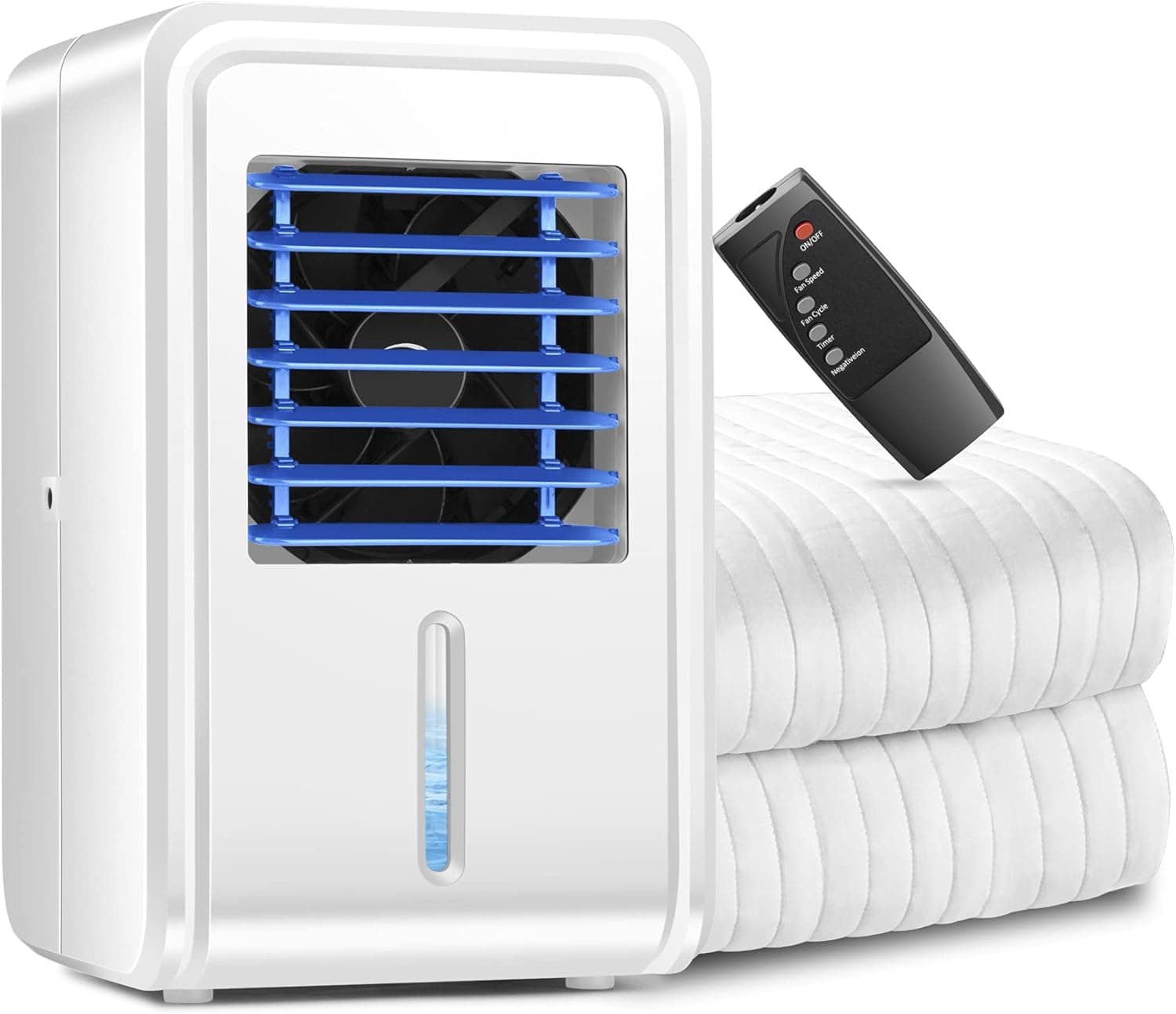
+ Remote control makes it easier to change settings in the dark
From our guide: Best Water Cooling Mattress Pads for Hot Sleepers
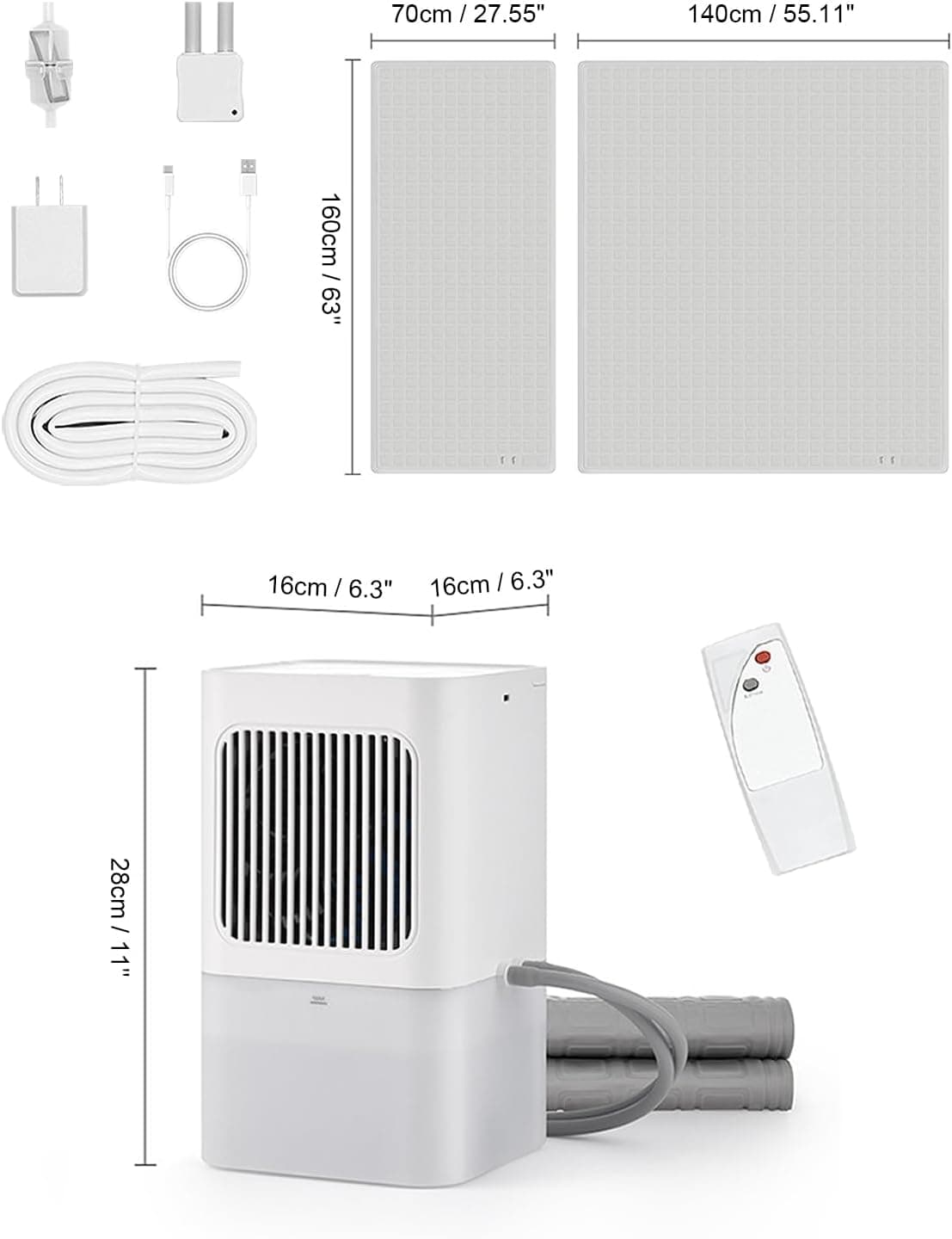
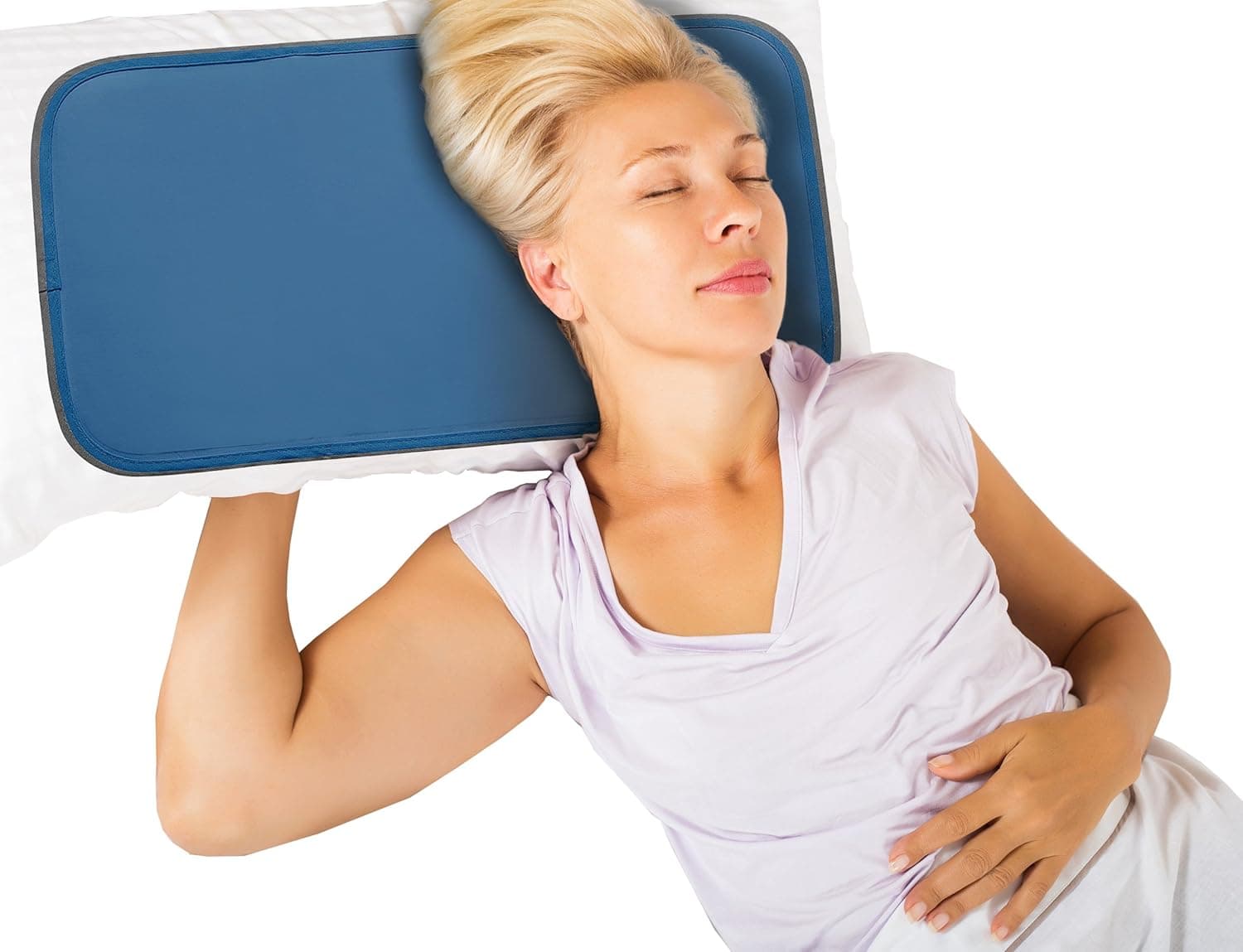
+ Larger bed pad cools the torso instead of only the head
From our guide: Best Cooling Gel Pads
Popular right now
- Best Standing Fan Placement in a BedroomArticle
- Cooling Sheet Fabrics ComparedArticle
- Humidity and SleepArticle
- Breathable Mattress Materials for Cooler SleepArticle
- Keeping Kids Cool at NightArticle
- Best Portable AC for BedroomBuying guide
Based on the last 28 days of search and visitor data.